


Clip for Guitar Buying guide
Clip For Guitar: A Complete Buyer's Guide
A quality guitar clip protects your instrument's finish and holds it securely. This buying guide covers materials, padding, and what to inspect before purchasing.
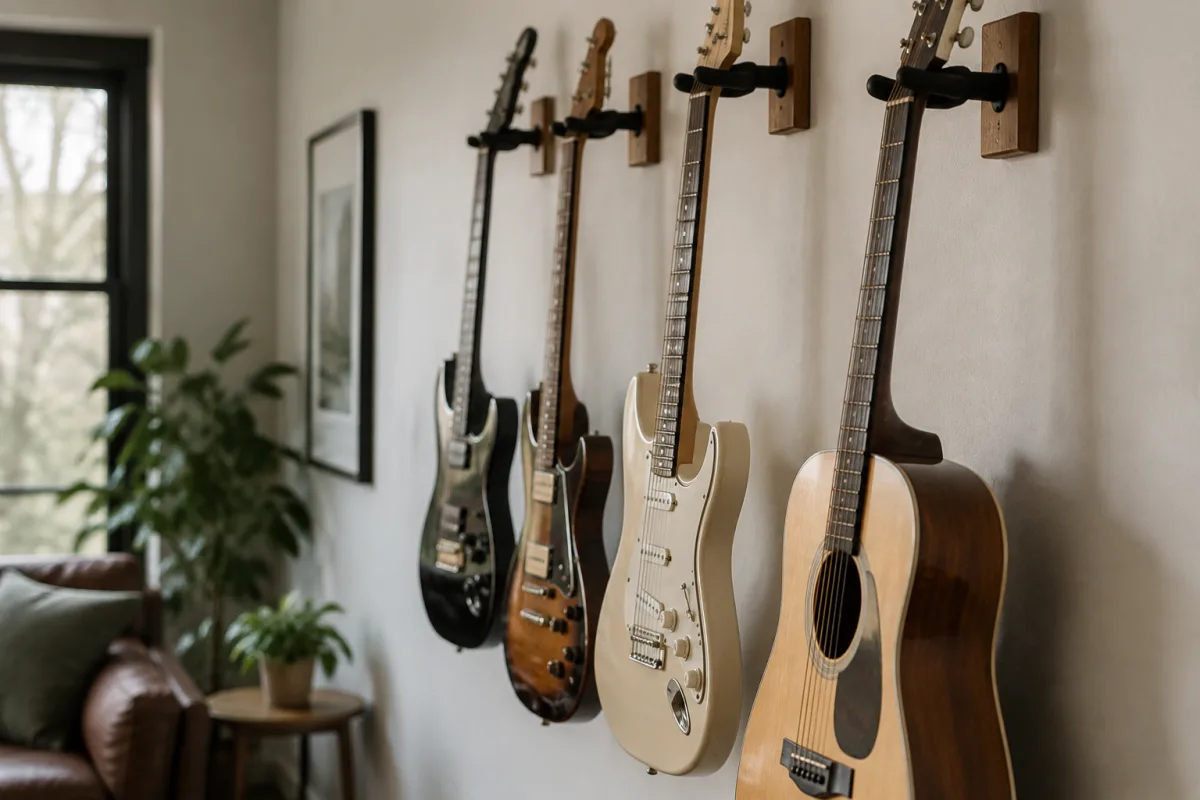
A guitar clip might seem like the simplest accessory imaginable, yet choosing the right one matters more than many players realise. The clip holds your guitar securely on a stand, wall mount, or tuner—and a poor-quality clip can damage your instrument's finish, fall off without warning, or feel loose and unreliable. This buyer's guide covers what specs matter in a guitar clip, how to inspect one before buying, which types suit different situations, and how to avoid the common pitfalls that lead to regret.
What a Guitar Clip Actually Does (And Why It Matters)
A guitar clip (also called a guitar wall hanger or holder) secures your guitar horizontally or at an angle without touching the neck directly. Unlike a full stand, a clip takes up minimal space and keeps your guitar visible and accessible. However, it puts all the weight on the body contact point—the clip pads. Poor padding or an unstable design risks finish damage or, worse, a dropped guitar.
Most players use clips for wall display (decorative and practical) or on tuning pegs as a temporary attachment point. Either way, stability and finish protection are non-negotiable.
Types of Guitar Clips: Which to Choose
Wall-mounted clips secure your guitar horizontally to a wall. The best ones have soft padding on the body contact point and a stable, secure locking mechanism. Look for clips that cradle the guitar's lower bout (widest part) rather than hanging it by one point—better weight distribution means safer holding.
Spring-loaded clips attach to tuning pegs or headstock areas and hold your guitar vertically. These are convenient for temporary storage or hanging a guitar on a door. They must grip firmly without deforming tuning pegs.
Stand-mounted clips sit on guitar stands and hold the guitar at an angle. Less common than other types, but essential if you use a specific stand design.
Materials and Padding: The Critical Details
The clip body is typically plastic or metal. Metal is more durable and reliable long-term. Plastic can crack over time, especially in temperature swings. For a wall clip you'll use daily for years, metal is worth the extra cost.
Padding is everything. It's the only thing between the clip and your guitar's finish. Inspect the padding: it should be thick, soft (rubber or foam), and firmly attached. Thin, hard, or loose padding is a red flag—your finish will suffer. Quality clips have padding that gives slightly when pressed, absorbing the guitar's weight instead of concentrating pressure on one point.
Stability and Grip: How to Test Before Buying
At the shop, place the clip on the sample guitar (if permitted). Gently tug the guitar—it should not move or wiggle. A stable clip holds firm; any play in the mounting means poor design. Springs should be strong enough that you need deliberate force to open the clip; weak springs risk accidental release.
For wall clips specifically, examine the mounting hardware. Does it require screws into studs (more secure but permanent)? Does it use adhesive (less permanent but potentially leaves residue)? Understand the installation commitment before you buy.
Weight Rating and Your Specific Guitar
A good clip is rated for a weight range. A lightweight acoustic clip might hold 4–6 kg; a heavy-duty wall mount holds 8–12 kg. Check your guitar's weight—most electrics are 3–4 kg, acoustics 2–3 kg. A clip rated well above your guitar's weight offers safety margin and longevity. An under-rated clip risks failure.
Installation Considerations
Wall clips require mounting hardware (usually included). If mounting into drywall, use wall anchors; if into studs, use wood screws. Poor installation is a common cause of clip failure—the clip itself might be fine, but if screws aren't secure, the whole setup fails.
Some clips advertise "damage-free" adhesive installation. These work but are less permanent than screwed mounts. Test them on a small area first and understand they may leave residue when removed.
Finish Protection: What Prevents Damage
The padding (as mentioned) is key. Beyond that, ensure the clip's inner surfaces are smooth—no sharp edges or burrs that could scratch your guitar. Some clips have adjustable padding positions; this lets you find the ideal balance point for your guitar shape.
For wall clips, understand that the guitar's weight sits on the same spot constantly. Over months or years, even quality padding can compress. Rotate your guitar monthly (if wall-mounted) to distribute pressure, or consider removing it when not in use for extended periods.
Red Flags: When to Walk Away
- Thin or hard padding. It will damage your finish over time.
- Loose or weak springs. Your guitar could fall unexpectedly.
- Sharp interior edges. These will scratch your finish or headstock.
- No weight rating provided. Reputable manufacturers specify this; absence is a red flag.
- Reviews mentioning drops or slips. If others' guitars have fallen off, avoid that model.
- Adhesive-only mounting. Fine for temporary display, risky for permanent wall mounting.
Value and Longevity
Quality clips cost £15–£35. Budget models cost £5–£10 but often fail or damage guitars within months. A £25 clip that protects a £500 guitar for a decade is excellent value. View clips as insurance, not just holders.
For detailed reviews of specific guitar clip models and recommendations by guitar type, see the complete guide to guitar clips, which covers installation tips and comparisons of popular options.
Conclusion
A guitar clip is a small accessory with outsized importance—it's the only thing between your guitar and a hard fall. Choose one with quality padding, secure grip, and an appropriate weight rating. Your guitar will thank you.


Comments