
Moulded Ear Plugs article
The Complete Guide to Moulded Ear Plugs
Moulded ear plugs offer custom-fitted hearing protection with superior comfort and acoustic performance. Perfect for musicians who need reliable protection without sacrificing sound quality.
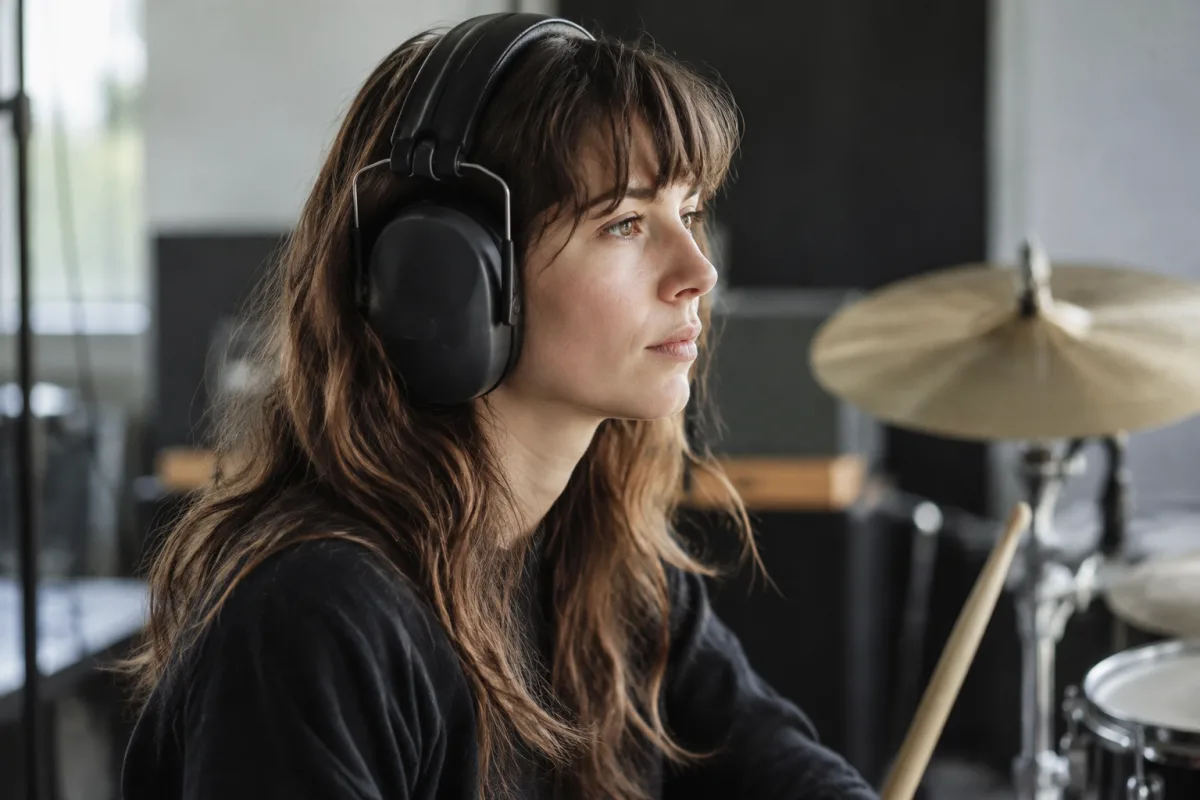
Custom hearing protection offers musicians a significant advantage when it comes to hearing safety without sacrificing the quality of sound they experience. Unlike generic foam options, moulded ear plugs are individually fitted to your ears and provide superior comfort and acoustic performance. Whether performing on stage, rehearsing in a loud studio, or attending a gig, understanding this protective solution helps you safeguard your hearing whilst staying immersed in the musical moment.
What Are Moulded Ear Plugs?
These hearing protection devices are individually crafted from a custom impression of each person's ear canal. Unlike off-the-shelf foam options offering a one-size-fits-all approach, they are precision-engineered to fit your unique ear anatomy perfectly. This tailored fit ensures both comfort and acoustic isolation that generic products simply cannot match.
The process begins when an audiologist creates an impression of your ear canal using soft silicone material. This mould is then sent to a laboratory where skilled technicians manufacture your personalised earpieces. The result is a pair that fits like a second skin, staying securely in place throughout extended playing sessions or high-energy performances.
How They Work
These devices function by physically blocking sound waves from entering the ear canal whilst maintaining a seal that prevents external noise from bypassing the protection. The effectiveness depends on several factors: the quality of the fit, the materials used, and the thickness of each earpiece.
Most professional versions feature interchangeable acoustic filters allowing you to adjust noise reduction levels without removal. This proves particularly valuable for musicians needing to hear themselves and bandmates whilst protecting against loud amplifiers or monitor systems. By selecting different filter options—typically ranging from 15 dB to 25 dB—you can fine-tune your hearing safety to match your specific environment.
Types for Musicians
The market offers several distinct styles of custom hearing protection, each designed for different musical scenarios:
- Standard noise-blocking models provide consistent attenuation across all frequencies and work well for general protection during rehearsals and performances.
- Musician's plugs with balanced filters reduce overall volume whilst preserving the tonal balance of music, ensuring you don't hear a tinny or muffled version of your sound.
- In-ear monitor (IEM) systems combine custom-moulded earpieces with built-in receivers, allowing you to hear a personalised mix whilst protecting your hearing.
- Stage protectors are designed for performers requiring maximum safety whilst remaining aware of their surroundings and bandmates.
Key Benefits
The advantages of these custom earpieces extend far beyond simple comfort. The tailored fit ensures they stay in place during vigorous performances, eliminating the frustration of plugs that shift or fall out. This stability maintains consistent protection throughout your session, whether you're a drummer, guitarist, or vocalist.
They provide a more natural listening experience compared to foam alternatives. The acoustic profile is cleaner, with less tinny distortion, helping you maintain better connection with your music. Musicians often report they can hear their own pitch and tone more accurately, which is crucial for maintaining performance quality.
Another significant benefit is durability. Whilst foam options are typically single-use or require frequent replacement, quality custom earpieces last several years with proper care. This makes them cost-effective despite higher initial expense. Additionally, if filters wear out or become damaged, you simply replace them rather than purchasing entirely new hearing protection.
Practical Considerations
Whilst custom hearing protection offers many advantages, practical considerations exist. The initial investment is substantially higher than foam alternatives—typically ranging from £150 to £500 depending on brand and specifications. This premium price reflects the custom manufacturing process and higher quality materials involved.
The fitting process requires an appointment with an audiologist or hearing specialist, adding both time and cost to your initial purchase. You'll need to allow several weeks between the impression appointment and receiving your finished earpieces, so plan ahead if you have an upcoming tour or recording session.
Some musicians find the initial adjustment period takes a few rehearsals as your ears adapt to the new fit and sensation. However, this adaptation is typically brief, and most users report that comfort improves dramatically once they acclimate to their custom protection.
Care and Maintenance
Proper maintenance extends the life of your custom protection significantly. After each use, wipe them clean with a soft, dry cloth to remove earwax and moisture. Store them in the protective case provided, keeping them away from extreme heat and direct sunlight.
Monthly cleaning with mild soap and warm water keeps them fresh and hygienic. Never use harsh chemicals or solvents, as these damage the material and compromise the fit. If you notice visible damage, discolouration, or if they no longer fit as snugly as they once did, have them inspected by your audiologist or consider having new impressions taken.
Replace acoustic filters as recommended by the manufacturer—typically every 6 to 12 months, depending on usage frequency. This maintenance schedule ensures your custom protection continues providing optimal safety and acoustic performance.
Protecting Your Most Valuable Asset
Hearing damage is permanent and cumulative. Exposure to sound levels above 85 dB causes lasting damage, particularly with prolonged exposure. Musicians face especially high risk, as rehearsals, performances, and even casual practice sessions frequently exceed safe noise levels. Investing in quality custom hearing protection is ultimately an investment in your long-term health and career.
Many professional musicians consider moulded ear plugs essential equipment, comparable to a quality instrument. They protect the very sense that makes your musical career possible. When viewed from this perspective, the cost becomes not merely an expense but a vital safeguard for your livelihood and quality of life.
Conclusion
Moulded ear plugs represent a significant upgrade from generic hearing protection, offering tailored fit, superior acoustic quality, and long-term durability that benefit any serious musician. Whilst the initial investment and fitting process require planning, the comfort, protection, and performance benefits make them worthwhile for anyone regularly exposed to loud music. Whether you're a touring professional or enthusiastic amateur, these personalised earpieces ensure you can enjoy your passion whilst safeguarding your hearing for years to come.



Comments