
Guitar Electric Case article
The Complete Guide to Guitar Electric Case
A guitar electric case protects your instrument from damage during transport and storage. Learn about different case types, materials, and how to maintain your guitar electric case.
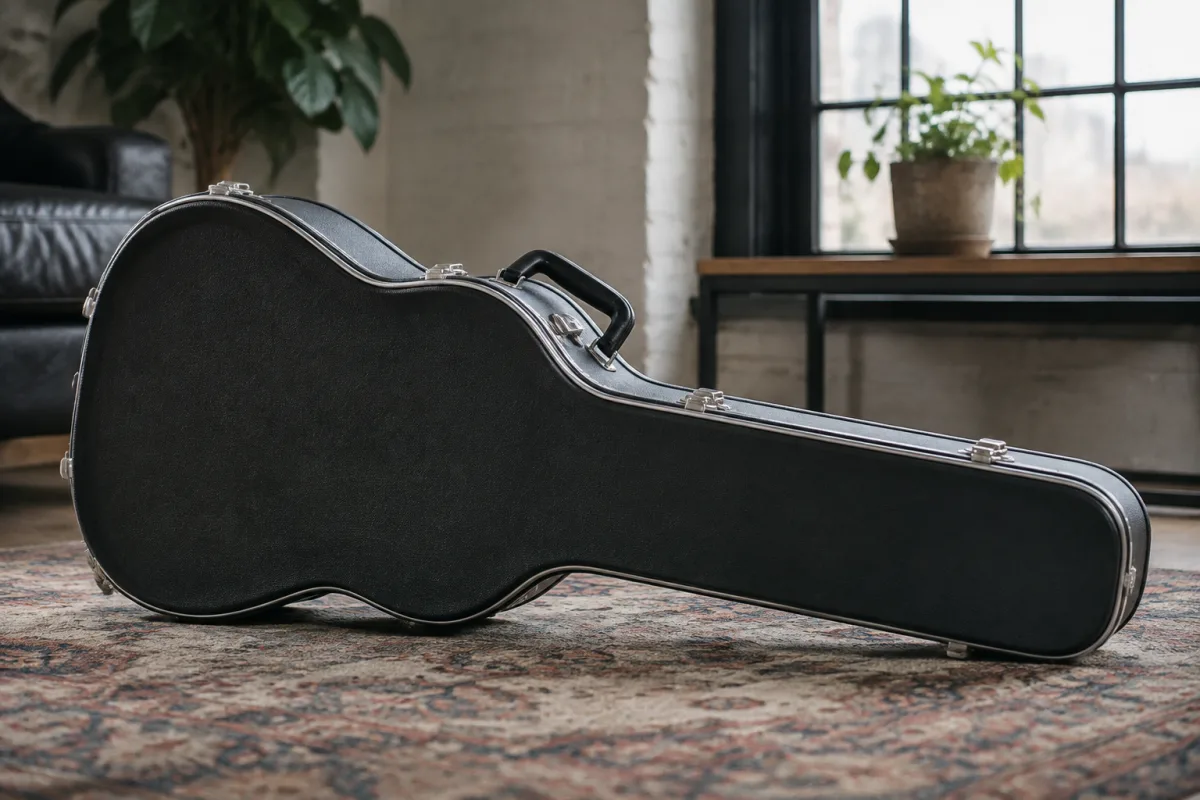
A guitar electric case is an essential accessory for protecting your electric guitar investment during transport and storage. Whether you're a touring professional or a home player who occasionally performs, selecting the right guitar electric case safeguards your instrument against physical damage, environmental hazards, and moisture fluctuations. This comprehensive guide explores everything you need to know about choosing, maintaining, and using a guitar electric case to keep your instrument in pristine condition.
Why Your Electric Guitar Needs a Quality Guitar Electric Case
A guitar electric case serves as protective insurance for your instrument. Electric guitars, typically featuring thinner bodies than acoustics and valuable electronic components, require thoughtful protection strategies. A proper guitar electric case prevents accidental damage from drops, impact, pressure, and environmental exposure that could render your instrument unplayable or compromise its tone and electronics.
The electronics inside electric guitars—pickups, potentiometers, and wiring—can sustain costly damage from moisture and temperature extremes. A guitar electric case maintains stable internal conditions that protect both the wooden body and delicate electronics. Investing in a quality guitar electric case extends your instrument's lifespan considerably and ensures consistent performance whether stored at home or transported to venues and rehearsals.
Hard Case vs. Soft Case for Electric Guitars
A guitar electric case comes in two primary styles: hard cases and soft gig bags. A hard guitar electric case provides maximum protection, featuring rigid construction that resists crushing and impact damage. Professional musicians typically choose a hard guitar electric case for touring and studio work where protection is paramount.
A soft guitar electric case offers portability and lower cost, making it popular among casual players and students. A semi-rigid guitar electric case provides middle-ground protection—lighter than hard cases but more protective than soft bags. Your choice between hard and soft guitar electric case styles should reflect how frequently you transport your instrument and how valuable or irreplaceable it is.
Hard Case Materials for Electric Guitars
| Material | Durability | Weight | Cost | Best For |
|---|---|---|---|---|
| Plywood | Good | Heavy | £80-150 | Local transport, studio use |
| ABS Plastic | Very Good | Moderate | £100-220 | Touring, frequent travel |
| Fibreglass | Excellent | Moderate | £150-300+ | Professional touring, flight cases |
| Aluminium Frame | Excellent | Light | £120-250 | Balance of protection and portability |
Selecting the right material for your guitar electric case depends on your specific needs. An affordable plywood guitar electric case suits home players with occasional transport requirements. Professional touring musicians often invest in a guitar electric case made from fibreglass or high-quality ABS plastic, ensuring maximum durability under demanding conditions.
Dimensions and Fit for Electric Guitars
A guitar electric case must accommodate your specific electric guitar model. Stratocaster and Telecaster-style guitars require standard single-cutaway guitar electric case designs. Semi-hollow body and full-hollow body electric guitars need spacious guitar electric case interiors. LP-style guitars demand different dimensions than offset-body designs.
An ill-fitting guitar electric case compromises protection. Too-loose fit allows your guitar to shift and contact hard case walls; too-tight fit risks warping the body. When selecting a guitar electric case, ensure the guitar fits snugly with protective padding contact but no pressure points. Bringing your guitar when shopping for a guitar electric case allows proper fit verification.
Interior Features and Protection
Quality hard guitar electric case models feature contoured foam padding that supports the headstock, body, and neck separately. The interior of a guitar electric case should cushion impact whilst allowing adequate air circulation. A guitar electric case with excess moisture-trapping capacity can actually promote corrosion on metal components—proper ventilation matters.
Latches on a guitar electric case should be secure yet not so tight they warp the case when closed aggressively. The handle of a guitar electric case should be ergonomic and robust. Interior pockets in a guitar electric case provide storage for cables, picks, tuners, and spare strings. Some premium guitar electric case designs include dehumidifying compartments or special routing for cable management.
Soft Gig Bags for Electric Guitars
A soft guitar electric case offers practicality for casual musicians. Modern padded gig bag designs—technically soft guitar electric cases—provide surprising protection for local transport. A quality soft guitar electric case features padded exterior panels and reinforced stitching. The shoulder straps on a soft guitar electric case should distribute weight comfortably across both shoulders.
Backpack-style soft guitar electric cases offer hands-free carrying when cycling or using public transport. However, a soft guitar electric case cannot match hard case protection for air travel or rough handling. A soft guitar electric case is best reserved for protected transport scenarios—car travel to rehearsals, short venue commutes, and home storage in climate-controlled environments.
Protective Accessories Within a Guitar Electric Case
Maximising protection starts with what you store inside your guitar electric case. Use a soft guitar neck rest or pillow to prevent headstock impact during transport. A stand or support inside your guitar electric case prevents direct body contact with case walls. Humidity-control products placed inside a guitar electric case moderate environmental swings.
Moisture-absorbing silica gel packets inside a guitar electric case prevent moisture accumulation. Desiccant materials designed specifically for musical instruments work effectively in a guitar electric case environment. Some professional musicians place microfibre cloths inside their guitar electric case to trap condensation and prevent electronic corrosion.
Travel and Airline Considerations
Air travel with an electric guitar requires a robust guitar electric case. Most airlines allow electric guitars as checked baggage if your guitar electric case meets size specifications. A professional flight case—the most durable guitar electric case category—ensures survival of airline baggage handling without damage.
Before flying, verify your airline's guitar electric case requirements and purchase coverage if available. A guitar electric case weighing less than checked baggage limits fits standard airline allowances. Many travelling musicians purchase dedicated flight cases for international tours, recognising that a quality guitar electric case is insurance against expensive damage during high-risk transport.
Maintenance and Care
A well-maintained guitar electric case provides decades of protection. Regularly inspect latch mechanisms on your guitar electric case for rust or corrosion. Store your guitar electric case in climate-controlled environments—avoid attics, basements, and vehicles where temperature and humidity fluctuate. Clean the exterior of your guitar electric case with mild soap and water, then dry thoroughly.
Replace worn latches, hinges, or handle straps on your guitar electric case promptly. Check padding inside your guitar electric case annually for compression or deterioration. Proper maintenance ensures your guitar electric case continues protecting your instrument for many years.
Conclusion
Choosing the right guitar electric case represents one of the most practical investments in your guitar ownership. Whether protecting a valuable vintage instrument or a budget-friendly student guitar, a guitar electric case safeguards your instrument's playability and electronics. By understanding case types, materials, and proper storage practices, you ensure your electric guitar remains in excellent condition for years of reliable performance and enjoyment.


Comments