


Electric Bass Gig Bag article
The Complete Guide to Electric Bass Gig Bag
An electric bass gig bag balances protection with portability, making it essential for gigging musicians. This guide covers padding, materials, storage features and what to look for when choosing the right bag for your needs.
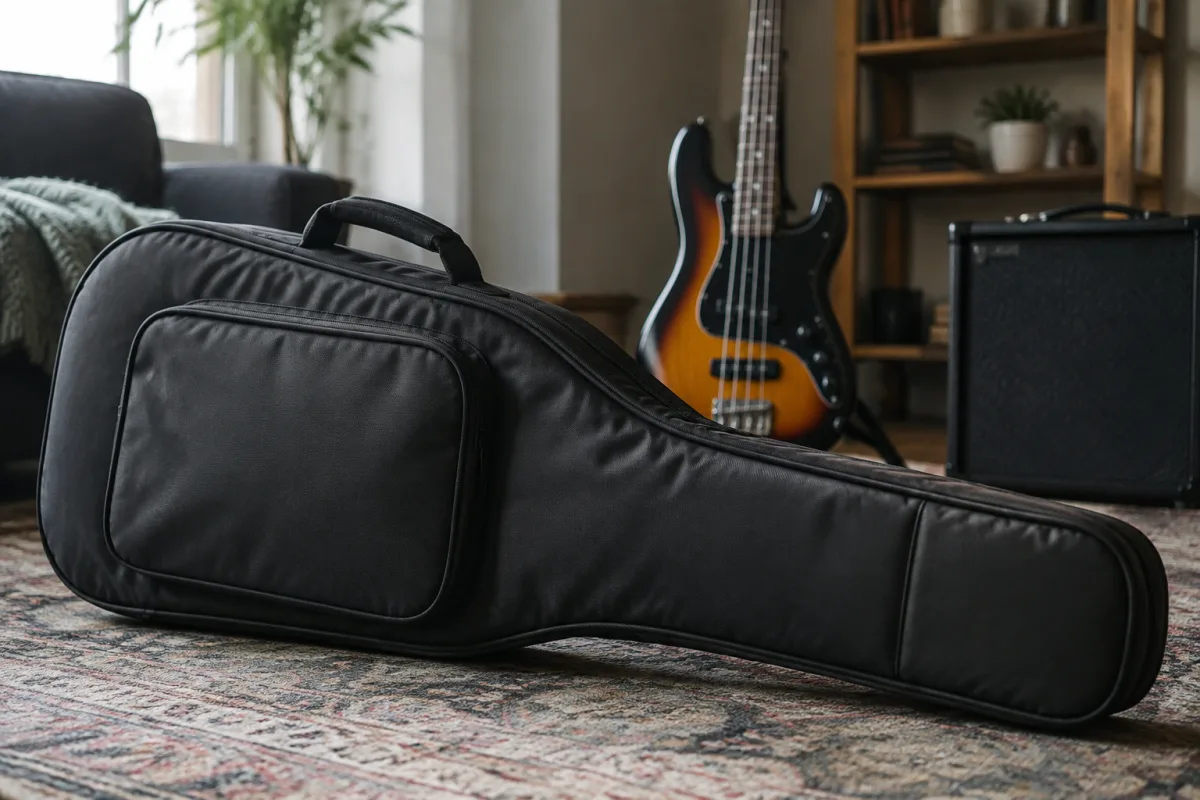
An electric bass gig bag is an essential piece of equipment for any bassist who performs regularly or transports their instrument. Unlike hard cases, gig bags offer a practical balance between protection and portability, making them ideal for rehearsals, local gigs, studio sessions and everyday transport.
What Makes a Quality Electric Bass Gig Bag?
A quality electric bass gig bag combines protection with convenience. The essential features include padded walls to absorb impacts, reinforced handles for durability, and a comfortable shoulder strap for hands-free carrying. Many modern gig bags also feature additional pockets for leads, accessories and tuners, eliminating the need to carry separate bags.
The padding thickness varies considerably between models—budget options might have 5mm of padding, whilst premium bags offer 10-15mm or more. Thicker padding provides superior protection but adds weight, so the choice depends on how much protection you prioritise versus portability.
Material Considerations
Electric bass gig bags are typically constructed from polyester, nylon or a combination of synthetic materials. These fabrics resist water damage far better than canvas, which is crucial for protecting expensive equipment during British weather. Quality bags feature water-resistant or fully waterproof exteriors, with sealed seams preventing moisture from penetrating the padding.
The interior lining also matters—softer linings protect your instrument's finish from scratching. Many premium bags include plush velvet or fleece interiors specifically designed to guard against cosmetic damage.
Size and Fit
Electric bass gig bags are designed to fit standard 34-inch basses, though some bags accommodate 35-inch instruments as well. Before purchasing, measure your bass—particularly the width at the widest point of the body and the length from headstock to end pin. A properly fitting gig bag should hold your bass securely without excessive movement inside the bag.
Oversized bags leave room for damage; undersized bags restrict access and may not close properly. Check the manufacturer's specifications carefully, as sizing can vary between brands.
Storage Features and Pockets
The utility of a gig bag extends beyond basic protection. Look for these practical features:
- Front pockets — ideal for storing leads, spare strings, picks and a tuner
- External strap loops — allow attachment of additional accessories or a music stand
- Interior pockets — some bags feature padded interior compartments for electronics or small items
- Headstock protector — extra padding at the headstock, where damage is most common
- Reinforced bottom — crucial for preventing the bag from wearing through after extended use
These features transform a basic gig bag into a comprehensive carrying solution, reducing the need for multiple bags during rehearsals or gigs.
Straps and Handles
Carrying comfort matters as much as protection. High-quality gig bags feature padded shoulder straps that distribute weight evenly across your shoulder, reducing strain during long journeys. Some straps are ergonomically designed to sit comfortably over your body, whilst others use reinforced webbing that won't dig into your shoulder.
The carry handles should be double-stitched and securely attached to the bag's frame. Bass gig bags endure significant stress during transport, so handle reinforcement directly correlates with long-term durability.
Comparison: Gig Bags vs. Hard Cases
Electric bass players often debate the merits of gig bags versus hard cases. Hard cases provide superior protection during airline travel or storage in hazardous environments, but they are considerably heavier and bulkier. Gig bags sacrifice ultimate protection for practical portability—ideal for regular gigging within the UK, where you're unlikely to encounter extreme handling.
Many bassists own both: a hard case for storage and airline travel, and a gig bag for regular use and transport to rehearsals and performances.
Popular Electric Bass Gig Bag Types
The market offers several gig bag styles to suit different needs. Premium padded bags (often £40-80) provide excellent protection with professional materials and construction. Budget-friendly options (£15-35) offer adequate protection for local use but may lack durability for heavy gigging. Professional touring bags (£80+) incorporate rugged materials, superior padding and specialised features designed for roadies and touring musicians.
Brand considerations include Fender, Gator, Levy's, and others, each offering models across different price points and protection levels.
Care and Maintenance
An electric bass gig bag requires basic maintenance to ensure longevity. Keep the bag clean and dry when not in use, storing it away from direct sunlight to prevent colour fading and material degradation. Periodically wipe down the exterior with a damp cloth, and air-dry thoroughly before storing. Check the handles and straps regularly for signs of wear, replacing them if necessary before they fail completely.
Avoid storing heavy objects on top of the bag, as this can crush the padding and reduce its protective capabilities over time.
Conclusion
An electric bass gig bag is a worthwhile investment for any bassist who regularly moves their instrument between locations. Choosing a bag with adequate padding, quality materials, practical storage features and comfortable carry options ensures your bass remains protected while remaining conveniently portable. Whether you're a session musician, gigging performer or enthusiast bassist, a quality gig bag strikes the ideal balance between protection and practicality for everyday use and transport.


Comments