


Polishing a Guitar Buying guide
Polishing A Guitar: A Complete Buyer's Guide
Choosing the right products for polishing a guitar protects your investment and keeps it looking pristine. This buying guide shows you what specifications matter, price tiers, and how to avoid common mistakes.
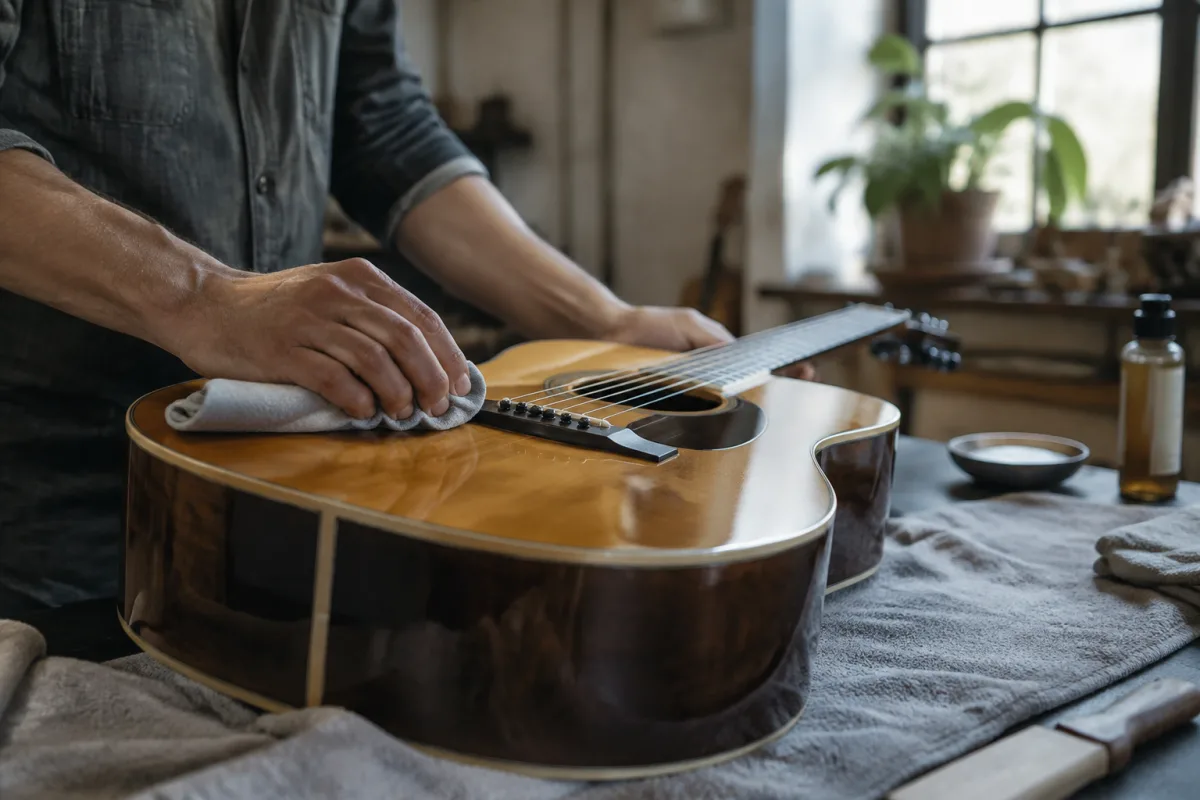
Polishing a guitar keeps your instrument looking pristine and plays a crucial role in long-term maintenance. However, choosing the right polishing products can be confusing with so many options available—from specialist guitar polishes to microfibre cloths, waxes, and buffers. This guide cuts through the noise and shows you exactly what matters when selecting polishing supplies for your guitar, helping you make smart purchases that protect your instrument's finish without wasting money on unnecessary products.
Understanding Guitar Finish Types
Before purchasing any polishing products, identify your guitar's finish type, as different finishes require different approaches. Nitrocellulose lacquer is the traditional choice on many high-end guitars; it's thin, allows wood to breathe, and ages beautifully but is delicate and requires gentle polishing. Polyurethane is a durable modern finish common on mid-range instruments; it resists damage better and needs less frequent polishing. Polyester finishes are harder and more impact-resistant, found on many affordable guitars. Matte finishes have gained popularity; they don't need polishing and should actually be left alone to maintain their aesthetic. Check your guitar's documentation or manufacturer's website to confirm your finish type before purchasing any polish.
Essential Polishing Product Categories
Quality polishing a guitar starts with three main product categories. First, you need a dedicated guitar polish—avoid generic furniture polish or automotive polish, which contain silicones and waxes that build up and damage guitar finishes over time. Reputable brands like Dunlop System 65, Ernie Ball Music Man Polish, and Fender Guitar Polish cost £4–£10 per bottle and typically last 6–12 months with regular use. Second, invest in microfibre cloths; cotton or paper towels can scratch finishes. Multiple cloths (one for applying polish, one for buffing) cost £3–£8 for a pack of three and last years. Third, consider a specialized fretboard conditioner if your guitar has a rosewood or ebony fretboard—these cost £5–£12 but keep fingerboards from drying and cracking.
Evaluating Polish Formulations
Not all guitar polishes are created equal, so understanding formulation helps you select the best value. Wax-based polishes provide excellent shine and protection but require more frequent application and can build up if used carelessly. Silicone-free polishes (explicitly marked) are essential for guitars with nitrocellulose finishes; silicone-based products eventually gum up classic finishes. Natural oil polishes work beautifully on vintage guitars and cost slightly more but offer gentler conditioning. Comparison shop by reading product descriptions—the phrase "silicone-free" and "safe for nitrocellulose" are your green lights. Avoid cheap unbranded polishes under £2, as they often contain inappropriate ingredients that damage finishes.
Cloth Quality and Selection
The cloth you use for polishing a guitar matters as much as the polish itself. Microfibre cloths are non-negotiable; they're lint-free and won't scratch even delicate finishes. Look for cloths explicitly marked as microfibre with a density of at least 200gsm (grams per square metre). Premium microfibre cloths cost £2–£4 each; bulk packs of five or six offer good value at £8–£12. Avoid thinner "microfibre-like" cloths sold in discount packs, as they often have rougher fibres that can leave streaks. Yellow or white microfibre cloths work best for general use; reserve darker cloths for fretboard conditioning to prevent colour transfer. Purchase at least two or three cloths so you always have a clean one available.
Specialty Polishing Tools and Equipment
Beyond basic polishes and cloths, several specialty items enhance your polishing a guitar routine. A soft-bristled brush (£3–£8) helps remove dust from frets and around tuning machines without scratching the finish. Electric buffer pads designed for guitars (£15–£40) speed up the process if you're polishing regularly, though hand polishing works perfectly well. Masking tape (around £2) protects hardware, pickups, and strings if you're using a buffer. Most beginners find simple hand polishing with quality cloth and liquid polish entirely sufficient; specialist tools are optional upgrades for enthusiasts who polish frequently.
Price Tiers and Value Assessment
Budget polishing a guitar setup (around £15–£20 total) includes one bottle of reputable guitar polish, a 2–3 pack of microfibre cloths, and perhaps one specialty brush. This is genuinely adequate for most players who polish monthly. Mid-range setups (£25–£50) add a dedicated fretboard conditioner, additional cloths, and perhaps a soft-bristled brush or cheap buffer pad. Premium setups (£50–£100+) include multiple specialist polishes for different finishes, professional-grade microfibre cloths, an electric buffer, and masking supplies. Unless you're a professional musician or collector, the budget tier provides excellent value and includes everything you genuinely need.
Brand Recommendations by Budget
Several brands consistently deliver value across different price points. Dunlop and Fender offer trusted polishes in the £4–£8 range that work safely on virtually all finishes. Ernie Ball and GHS provide slightly premium options (£6–£10) with excellent reputations. For budget-conscious buyers, Lemon Oil is affordable (around £3) and safe for fretboards, though not ideal as an overall finish polish. Microfibre cloth quality varies less between brands; any cloth marked as proper microfibre at 200gsm will work well. Avoid "all-in-one" kits that bundle cheap polish with poor cloths; it's better to buy quality components separately.
Common Purchasing Mistakes to Avoid
Many guitarists waste money or damage finishes through polishing a guitar mistakes. Never buy generic furniture polish because it's cheaper; the savings aren't worth potential finish damage costing hundreds to refinish. Avoid enormous bottles assuming you'll use them quickly; polish can separate or thicken if stored too long. Don't purchase electric buffers for occasional polishing—the learning curve isn't worth it unless you polish multiple guitars regularly. Skip specialty fretboard polishes if your fretboard is rosewood or ebony that's been sealed; many modern guitars don't need them at all. Most importantly, never use cotton rags or paper towels; the scratches caused by a single session can cost more to repair than buying proper microfibre cloths upfront.
Storage and Shelf Life Considerations
Polish storage affects longevity and product safety when purchasing. Store guitar polish in cool, dark places away from direct sunlight and heat. Properly sealed bottles last 2–3 years; opened containers last 6–12 months depending on usage and storage. Microfibre cloths last indefinitely with gentle washing (cold water only, air dry). Before purchasing large quantities, check expiration dates or manufacture dates if listed. Buying a single bottle every 6–12 months as needed beats buying bulk supplies that might separate or thicken before use.
For comprehensive information about the entire guitar maintenance process, explore the complete guide to polishing a guitar, which covers detailed techniques and long-term care strategies.



Comments