


Instrument Tool Storage Buying guide
Instrument Tool Storage: A Complete Buyer's Guide
Setting up a instrument tool storage for instrument maintenance? This guide covers essential tools, budget tiers, quality considerations, and how to avoid buying tools you'll never use.
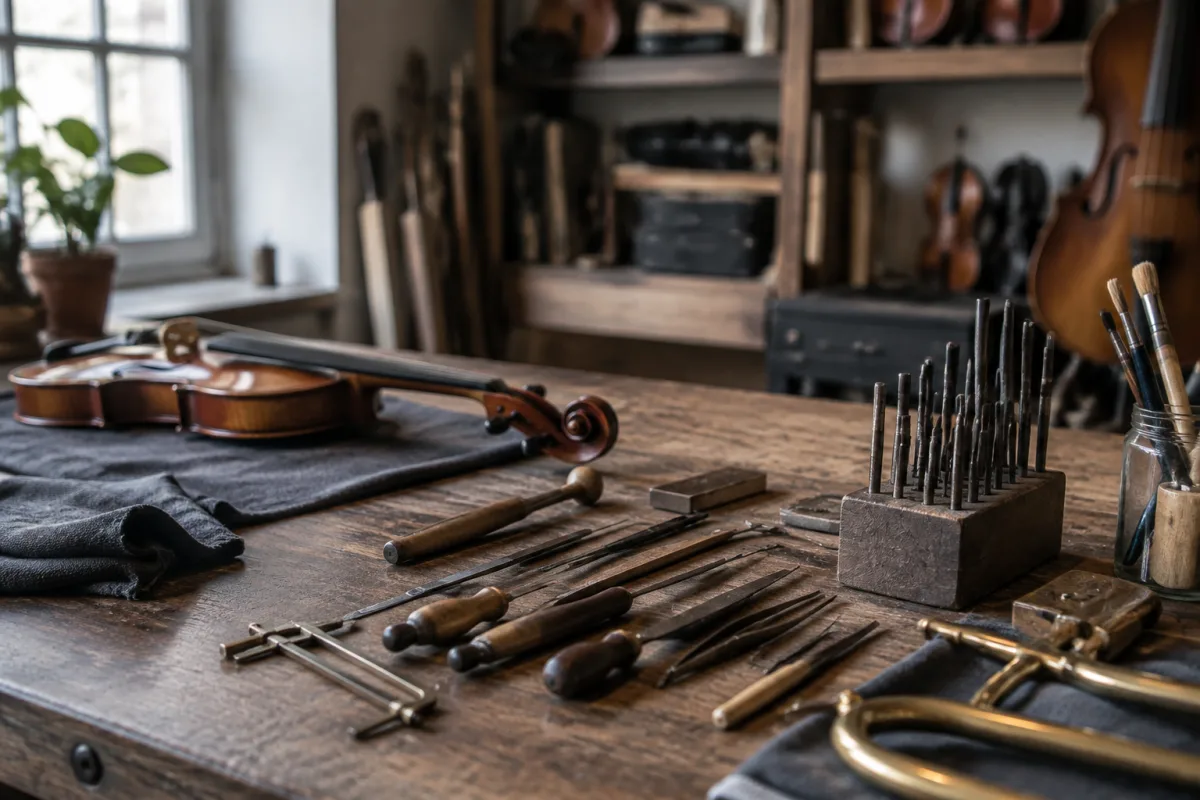
Setting up a instrument tool storage for instrument maintenance seems overwhelming at first. You're staring at endless options and wondering which tools you actually need versus which ones are nice-to-have luxuries. This guide cuts through the noise and shows you exactly what belongs in a functional music instrument tool storage, what specs matter, what to buy first, and how to avoid wasteful spending on tools you'll never use.
Understanding Instrument Tool Storage Purpose and Scope
A instrument tool storage isn't necessarily a dedicated room—it's a collection of maintenance tools organised and accessible. Your scope determines what you need: are you performing basic setup tasks (tuning, string replacement, cleaning) or serious luthier work (fret levelling, truss rod adjustment, refinishing)? This distinction determines your tool investment dramatically.
- Basic maintenance only: £150–300 investment covers essential tools for regular care.
- Intermediate repair: £500–1,000 adds specialised tools for electronics, minor structural work.
- Professional luthier work: £2,000+ for precision tools, measurement equipment, and specialised machinery.
Be honest about your actual needs. If you change strings twice yearly, you don't need a full repair workshop.
The Essential Tools: Start Here
Every instrument tool storage, regardless of scope, needs these fundamentals:
Cleaning and Care
- Microfibre cloths (£5–10): Essential for regular cleaning without damaging finish.
- Compressed air canister (£5–8): Removes dust from electronics, tuning machines, hard-to-reach places.
- String cleaner (£8–15): Extends string life; worth the cost if you change strings monthly.
- Wood polish or linseed oil (£10–20): Maintains wood finish; buy the brand recommended for your instrument type.
Basic Setup Tools
- Allen wrench set (£8–20): Adjust bridge screws, truss rods, hardware. Buy a set covering common sizes; individual wrenches are wasteful.
- Screwdrivers (£15–30 for a quality set): Phillips and flat-head in multiple sizes. Avoid cheap sets—soft tips strip screws, creating problems.
- String cutter (£10–15): Dedicated cutters prevent hand fatigue when replacing many strings. Kitchen scissors damage fingers and strings.
- String winder (£8–15): Speeds up tuning post winding; optional but convenient if you change strings frequently.
- Tuning pegs tool (£5–10): Helps hold tuning posts while winding. Small cost; massive time-saver.
Measurement and Diagnosis
- Ruler or straightedge (£5–10): Checks fret levelness, bridge height, neck bow. Absolutely essential.
- Feeler gauges or action gauge (£10–25): Measures string action and fret dips precisely. Optional but recommended.
- Truss rod wrench (£3–8): Most guitars need a specific size; check your manual, then buy the right one. Don't force it with wrong-sized wrenches.
Intermediate Tools: When to Add Them
Once your basic instrument tool storage functions well and you're comfortable with maintenance, consider these additions:
- Soldering iron and solder (£30–60): Essential for any electronic repair—pickup soldering, jack replacement, component work.
- Multimeter (£15–40): Diagnoses electrical problems quickly; saves time guessing.
- Fret crowning file (£40–80): Levels frets; advanced work that separates DIY repair from professional luthier territory.
- Precision screwdrivers set (£20–40): Small sizes for electronics and hardware adjustment. Worth upgrading from basic set.
- Wire strippers and crimpers (£15–25): If you're soldering, you'll need these for serious electrical work.
- Cabinet for organisation (£50–150): Keeps tools organised and accessible; prevents lost tools and saves frustration.
Common Buying Mistakes
Buying Everything Before You Need It
The biggest wasteful mistake. Buying a full luthier workshop for an instrument you change strings on twice yearly is backwards. Start with essentials, then add tools when you discover specific needs.
Confusing Budget Tools With Professional Tools
A £5 screwdriver set feels economical but strips screws after three uses. A £25 quality set lasts decades. Cheap tools create problems (stripped screws, scratched finishes) that cost far more to fix than buying better tools initially.
Buying Specialised Tools for One-Off Tasks
Fret levelling requires a £60+ crowning file. If you level frets once per decade, rent the tool at a local luthier shop (usually £10–20 per day) rather than buying. Specialised tools only justify purchase if you use them regularly.
Neglecting Organisation
Tools scattered across drawers get lost, damaged, or forgotten. A modest tool cabinet (£50–100) keeps everything accessible and visible. The organisation cost pays for itself through time saved finding tools.
Buying Name-Brand Tools for Tasks That Don't Require Premium Quality
A £60 screwdriver set from a premium brand and a £20 set from Wera perform nearly identically on most instrument tasks. Reserve premium brands for precision tools (feeler gauges, straightedges) where accuracy matters. For general maintenance, mid-range quality is sensible.
Price Tiers and Value
| Budget Level | Typical Cost | Suitable For | Tool Quality Tier |
|---|---|---|---|
| Basic Maintenance Only | £150–300 | String changing, cleaning, simple adjustment | Mid-range; prioritises essentials, skips specialised tools |
| Intermediate DIY Repair | £500–1,000 | Electronics work, bridge adjustment, minor structural repair | Mix of mid-range and professional tools; adds measurement and electrical gear |
| Serious Hobbyist Luthier | £1,500–2,500 | Fret work, full electronics, refinishing, custom builds | Professional-grade tools; includes specialty equipment and power tools |
| Professional Luthier Workshop | £5,000+ | All repair types; serving clients for income | Premium tools, precision equipment, sometimes power machinery |
Organisational Systems: Where Tools Live
Wall-Mounted Pegboard (£20–50)
Space-efficient, keeps tools visible and within reach. Good for basic instrument tool storages. Prone to clutter if not disciplined about organisation.
Tool Cabinet With Drawers (£50–200)
Professional appearance; keeps tools clean and organised. Best for serious instrument tool storages where you store sensitive equipment (electronics, measurement tools). Worth the investment for intermediate or advanced work.
Tool Bag or Tote (£20–60)
Portable option if you travel to gigs or client locations. Allows you to carry essential tools without a fixed installation. Less organised than cabinet but more flexible.
Modular Storage Boxes (£15–40 per box)
Scalable and flexible. Start with one or two boxes, add more as your collection grows. Drawers keep tools dust-free and visible. Good middle ground between portability and organisation.
Safety Considerations When Buying Tools
Some tools require safety precautions:
- Soldering iron: Gets 300+ degrees; keep a stand, never leave unattended. Buy solder-sucker and brass cleaner for safety.
- Power tools (if you go advanced): Safety glasses essential; follow all manufacturer instructions. Never skip safety for speed.
- Chemicals (refinish products, cleaners): Ensure ventilation; keep data sheets. Some products are harmful if misused.
- Compressed air: Never aim at skin or ears; pressure can cause injury.
Your Instrument Tool Storage Buying Checklist
- Honestly assess your needs: basic maintenance, intermediate repair, or serious luthier work
- Start with essentials (cleaning, basic setup, measurement tools)
- Buy mid-range quality tools, not the cheapest or most expensive options
- Invest in proper screwdrivers and wrenches first; cheap versions create problems
- Add intermediate tools only when you discover genuine needs
- Plan for organisation: pegboard, cabinet, or storage boxes
- Review tools monthly to identify what's missing or unused
- Consider renting specialised tools for one-off tasks rather than buying
- Factor in safety equipment (stands, ventilation, protective gear)
- Allow your instrument tool storage to grow gradually rather than building everything at once
Building Your Instrument Tool Storage Over Time
Start with £150–200 covering essentials. Within six months, identify gaps and add tools addressing actual needs. Within a year, you'll have a functional, well-organised instrument tool storage matched to your maintenance style. Buying this way prevents the waste of acquiring tools you never use.
Review your instrument tool storage every few months: are you using everything you own? If a tool hasn't been touched in six months, you probably don't need it. This discipline keeps your room focused and your investment efficient.
For comprehensive guidance on specific maintenance tasks and how tools apply to different instrument types, see the complete guide to setting up a instrument tool storage.
A good instrument tool storage evolves with your skills and needs. Build it thoughtfully, invest in quality where it matters, and avoid the trap of buying everything at once. Your future self will appreciate the organised, functional space.


Comments