


Instrument Cleaning Cloth article
The Ultimate Guide to Instrument Cleaning Cloth
Quality instrument cleaning cloths are essential for protecting music investments. Regular gentle cleaning removes sweat and dust, preserving finishes and extending instrument lifespan.
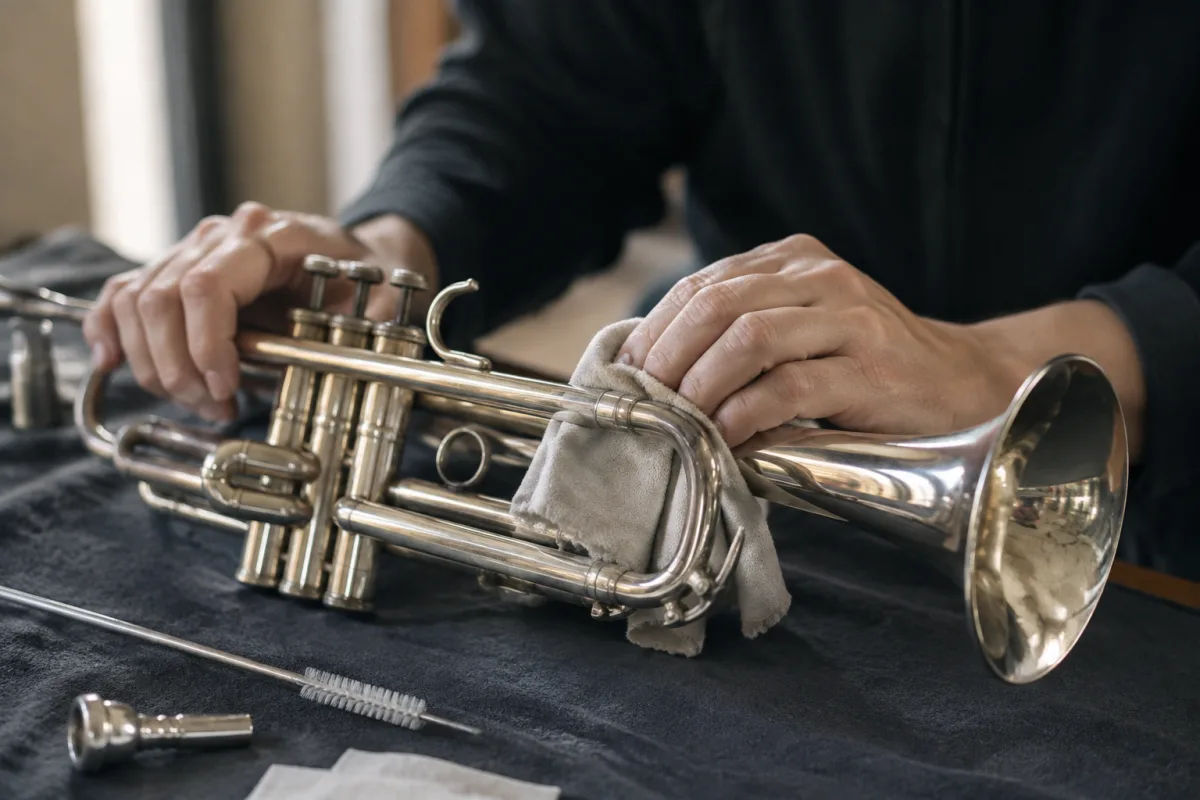
Proper maintenance begins with the right tools, and an instrument cleaning cloth is fundamental to keeping your music equipment in pristine condition. Whether you play guitar, piano, violin, or wind instruments, understanding how to clean and maintain your instruments protects your investment and preserves sound quality.
Why Your Instrument Needs Regular Cleaning
Every time you play, you deposit oils, sweat, and dust on your instrument's surface. These substances accumulate over time, affecting appearance and potentially damaging finishes. Regular cleaning with an appropriate instrument cleaning cloth removes these deposits before they become problematic.
An instrument cleaning cloth does more than maintain appearance. It protects against corrosion on metal components, prevents finish deterioration on wood, and removes substances that can seep into seams or damage delicate mechanisms. For expensive instruments, regular maintenance using a quality instrument cleaning cloth is essential investment protection.
Types of Instrument Cleaning Cloths
Not all cloths are created equal. A standard microfibre cloth works adequately for basic dust removal but lacks the properties needed for comprehensive instrument care. Specialized cloths designed specifically for instruments offer superior cleaning and protection.
Microfibre cloths remain popular for general cleaning. They capture dust without scratching surfaces and dry quickly. However, they lack polishing properties and may miss oily residue that builds up from frequent playing.
Cotton flannel cloths provide gentle cleaning suitable for delicate finishes. Many instrument cleaning cloth manufacturers include flannel alongside microfibre for layered protection. The combination cleans and polishes effectively without harsh chemicals.
Treated instrument cleaning cloths feature special formulations. Some include furniture polish or wood conditioner, enhancing finish protection. Others contain anti-tarnish compounds preventing oxidation on brass or silver components. Choose treated cloths carefully to ensure compatibility with your specific instrument.
Proper Instrument Cleaning Techniques
Before using an instrument cleaning cloth, remove loose dust with a dry soft cloth or brush. This prevents dragging debris across surfaces, which could cause micro-scratches. Then use your main instrument cleaning cloth with gentle, even strokes following the grain on wooden instruments or natural contours on others.
Pay special attention to areas where sweat and oil accumulate: around the neck, along frets, and where your hands contact the body. These zones benefit from slightly firmer cleaning action but always avoid aggressive scrubbing that damages finishes.
For string instruments, clean both sides of the strings with your instrument cleaning cloth. Strings accumulate more grime than other components, impacting both appearance and lifespan. Regular string cleaning dramatically extends playability and tone quality.
Maintenance Between Deep Cleans
Quick daily wiping with an instrument cleaning cloth removes fresh sweat and dust, preventing buildup that requires aggressive cleaning later. This simple habit takes seconds and dramatically reduces maintenance burden.
Store your instrument cleaning cloth in a clean, dry location away from dust and contaminants. Wash microfibre cloths occasionally in warm water—harsh detergent can damage the fibres. Air-dry completely before storing.
Specific Instrument Considerations
Guitars benefit from neck and fretboard attention. An instrument cleaning cloth designed for fretboards removes accumulated grime without raising the wood grain excessively. For lacquered finishes, use only approved cloths to avoid dulling the shine.
Piano maintenance requires careful attention to the finish. Specialised piano cloths are less likely to leave lint or residue. Clean the exterior regularly with an appropriate instrument cleaning cloth; avoid the action mechanism unless specifically trained, as piano internals are sensitive.
Brass and wind instrument care often requires polishing cloths with tarnish-removal properties. Regular cleaning with a quality instrument cleaning cloth prevents tarnish buildup that becomes difficult to remove.
Violin and other delicate instruments require extra-gentle treatment. Soft flannel cloths are ideal; microfibre risks catching on fragile components. Consider dedicated violin cloths to prevent cross-contamination with other instruments.
Storage and Longevity
A quality instrument cleaning cloth should last years with proper care. Wash it regularly to remove accumulated dust and oils. Keep it separate from laundry and household cloths that might introduce foreign substances.
Replace an instrument cleaning cloth when it becomes worn, excessively stained, or develops unpleasant odours despite washing. Tired cloths lose effectiveness and risk scratching if embedded dust particles haven't been thoroughly removed.
Investing in Quality
A good instrument cleaning cloth costs little—typically £3-£10 per cloth. This modest investment protects instruments worth hundreds or thousands of pounds. Purchasing a dedicated instrument cleaning cloth designed for your specific instrument is worthwhile insurance.
Professional musicians often maintain multiple instrument cleaning cloths for different tasks: one for general cleaning, another for polishing, perhaps a third reserved specifically for strings. This approach maximises effectiveness and minimises cross-contamination.
Conclusion
An instrument cleaning cloth represents one of the most cost-effective tools in an musician's maintenance kit. Regular cleaning protects your investment, maintains appearance, and often preserves or enhances instrument sound quality. Establishing a simple habit of wiping down your instrument after each playing session with an appropriate instrument cleaning cloth takes seconds but yields years of benefit in instrument longevity, appearance, and performance.




Comments