
Electric Bass Tuner article
The Complete Guide to Electric Bass Tuner
An electric bass tuner keeps your bass in perfect pitch. Discover clip-on and pedal tuner options, tuning techniques and how to maintain accurate intonation.
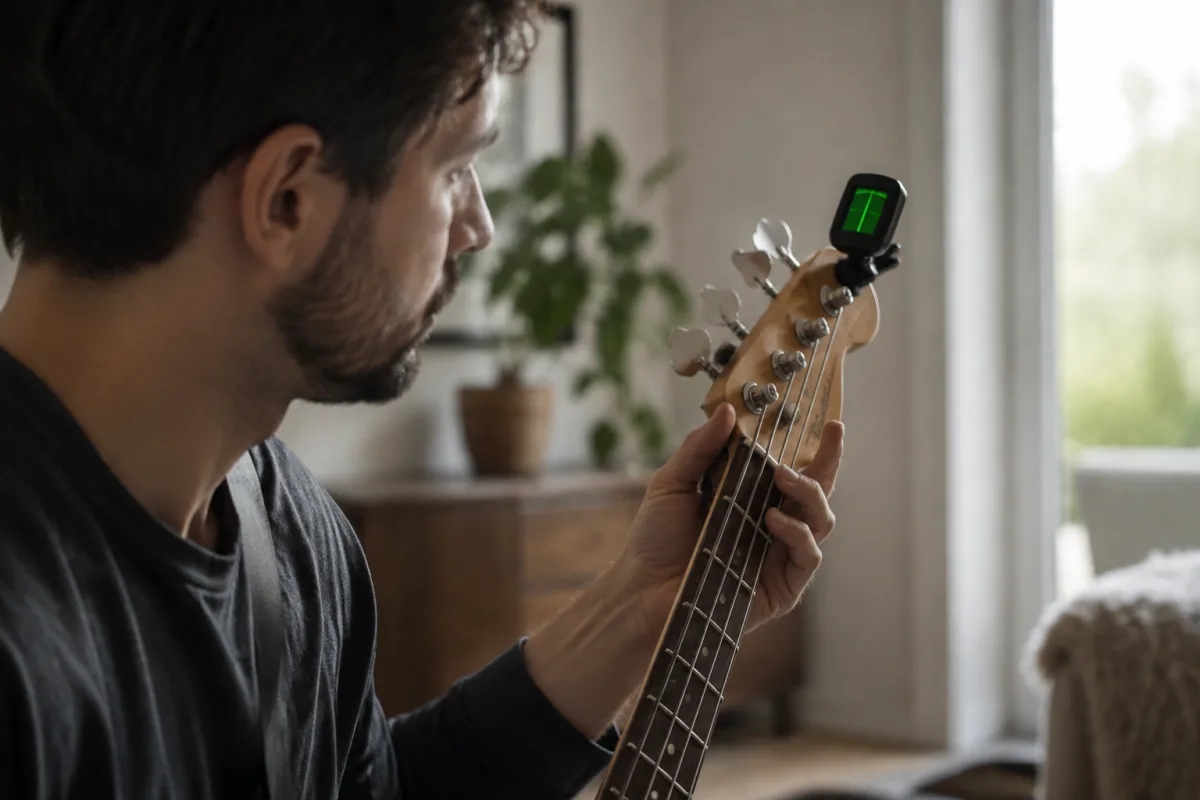
An electric bass tuner is an essential tool for any bass player, from bedroom practisers to touring professionals. Whether you're using a clip-on tuner, a dedicated pedal tuner, or a smartphone app, having reliable tuning technology ensures your bass stays in tune between songs, across temperature changes and through months of regular playing. A quality electric bass tuner is faster and more accurate than traditional ear-based tuning methods.
The challenge with bass tuning is that low frequencies are harder to hear accurately than higher pitches, and bass guitars need precise intonation across their entire range. An electric bass tuner eliminates guesswork, giving you objective confirmation that each string is at the correct pitch. This matters for band rehearsals, live performances and studio recording alike.
Types of Electric Bass Tuners
Clip-on tuners are compact devices that clip onto the headstock, sensing vibrations directly from the instrument. They're affordable, portable and work reliably without needing to plug in. Pedal tuners sit on your pedalboard, typically with a large display visible on stage and a mute function that cuts your signal when tuning. Tuner apps on smartphones offer convenience if you always have your phone at hand, though they're less suitable for live stage use.
Dedicated bass tuners often include features optimised for low frequencies – wider tuning ranges extending below standard bass tuning, clearer displays for stage visibility, and sometimes alternative tuning modes for drop tunings or alternate scales. Many bass players use multiple tuning devices – a pedal tuner on stage and a clip-on for practise and quick checks.
Key Features of Quality Bass Tuners
A reliable electric bass tuner needs these capabilities:
- Wide Tuning Range: At minimum, you need B0 to C8 (extending well beyond standard bass E-to-G range) to handle drop tunings and alternate instruments.
- Fast Response: The tuner should register pitch changes instantly, particularly important for live use when you're tuning between songs with limited time.
- Accurate Pitch Recognition: Accuracy to ±1 cent (1/100 of a semitone) is standard for quality tuners – sufficient for any professional application.
- Clear Display: Especially important for stage use, where you need to see tuning status from a distance under stage lighting.
- Durability: Bass tuners take abuse – invest in something built to last rather than something cheap that fails mid-tour.
- Battery Life: For clip-on or pedal tuners, long battery life (many months) is essential so you're not constantly replacing batteries.
Clip-On Tuners Versus Pedal Tuners
Clip-on tuners are ideal for practise, rehearsals and quick tuning checks. They sense vibrations directly, work on any instrument, and cost between £15-50. Pedal tuners offer stage-professional features – large displays, mute functions for silent tuning, sturdy construction – but cost more (£100-300+) and require pedalboard space and a power supply.
Many bass players use both: a cheap clip-on for convenience during practise and a pedal tuner as their professional stage tool. The pedal tuner gives you reliability and stage visibility you can trust in live situations.
Using an Electric Bass Tuner Effectively
Tuning a bass properly means checking each string individually. Start with your E string (or whatever your lowest string is), then progress up to the G string. Tune slowly – turning the tuning peg gradually until the tuner indicates perfect pitch. Rushing leads to overshooting and needing multiple attempts.
Remember that tuning stability improves after you've played for a few minutes. A freshly changed string takes time to settle. Let your bass sit for a moment after changing strings, then retune. Temperature changes also affect pitch – a bass that's warm might go sharp, a cold one flat. Check tuning after environment changes during gigs.
Tuner Accuracy and Calibration
Most quality electric bass tuners default to A440 Hz (standard concert pitch), but some allow calibration for alternate tuning standards. You might encounter A442 Hz or A432 Hz in some recording contexts. Most tuners support this adjustment, letting you match whatever tuning standard your band or studio requires.
Calibration requires entering settings, which most clip-on and pedal tuners support via buttons. Smartphone apps typically handle this within settings menus. Ensure you know how to adjust your tuner's calibration – it takes only a moment and ensures you're matching the standard everyone else is using.
Maintaining Your Bass Tuner
Clip-on tuners need occasional cleaning – gently wipe the clamp and sensor with a dry cloth. Pedal tuners benefit from protection inside your pedalboard case when transported. Most electronic tuners are robust and require minimal maintenance beyond battery replacement or occasional charging.
If your tuner starts reading inconsistently, try new batteries first. If it continues misbehaving, the sensor might need recalibration or the device might be failing. Quality tuners typically last years with proper care.
An electric bass tuner is a small investment with enormous practical value. Whether you choose a clip-on for practise or a pedal tuner for the stage, reliable tuning technology is non-negotiable for serious bass playing.



Comments