
E Bass Tuner article
The Complete Guide to E Bass Tuner
An electric bass tuner detects string pitch and ensures proper tuning, essential for every bass guitarist whether practising alone, rehearsing with a band, or performing live.
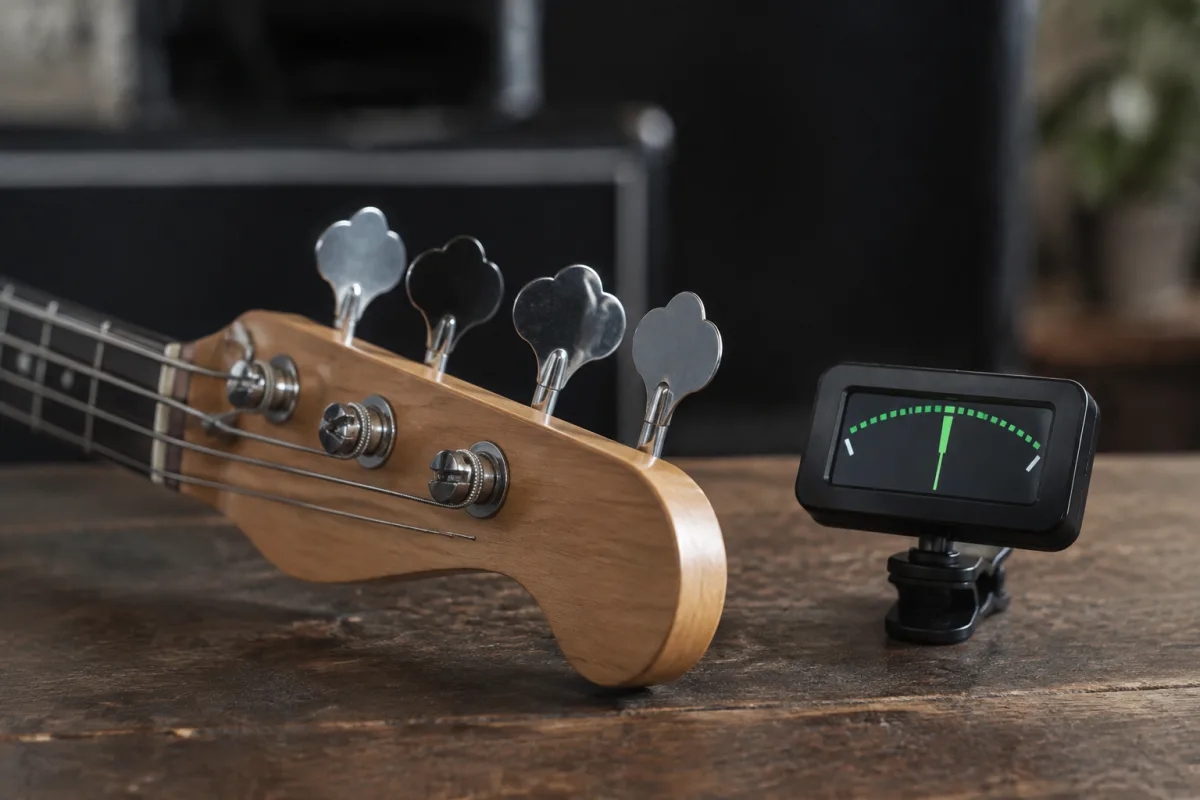
An electric bass tuner is an essential tool for any bass guitarist, ensuring your instrument maintains proper pitch and plays in tune across all four strings and every fret. Whether you are practising alone in your bedroom, rehearsing with a band, or performing on stage, a reliable bass tuner keeps your instrument sounding its best and prevents the frustrating experience of playing out of tune without realising it. This complete guide covers everything you need to know about electric bass tuners: how they work, what types are available, and how to choose the right tuner for your playing needs.
What Is an Electric Bass Tuner?
An electric bass tuner is a device that detects the pitch of your bass guitar strings and indicates whether each string is in tune, sharp (too high), or flat (too low). Modern bass tuners work by detecting the vibration frequency of each string and displaying the note being played alongside the target note (E, A, D, or G for standard tuning). When a bass tuner shows the played note matching the target note, that string is in tune.
Bass tuners are specifically designed for bass guitars, which produce lower frequencies than standard acoustic or electric guitars. A bass tuner is calibrated to detect and display low frequencies accurately, making it far more reliable than generic tuners designed for guitars or other instruments.
Types of Electric Bass Tuners
Electric bass tuners come in several formats, each with distinct advantages:
Clip-On Tuners
Clip-on tuners attach directly to your bass headstock via a spring clip, using vibration sensing to detect string pitch. They work silently without requiring an audio input cable, making them portable and convenient. Clip-on bass tuners are popular with gigging musicians who need quick, reliable tuning anywhere. Quality clip-on tuners cost £15–40 and are accurate enough for professional use.
Pedal Tuners
Pedal tuners sit on your pedalboard and receive audio via your bass's output cable. They display tuning information on a large, bright display visible on stage or in the studio. Pedal tuners typically cost £50–150 and offer excellent accuracy and visibility. Professional bass players often prefer pedal tuners because they integrate seamlessly with existing pedalboard setups and provide consistent performance in any lighting condition.
Floor Tuners
Larger tuner units designed for studios and rehearsal spaces, floor tuners feature large displays and robust construction. These professional-grade tuners cost £100–300 but offer exceptional accuracy and durability for heavy use. Studios often prefer floor tuners because they are always available and eliminate the need for individual musicians to carry tuners.
Tuner Apps and Software
Smartphone applications and computer software can tune bass guitars via your phone's microphone or line input. These are inexpensive (often free) but less reliable than dedicated hardware in noisy environments. For practice at home, tuner apps work adequately; for gigging or serious recording, a dedicated hardware tuner is preferable.
How Electric Bass Tuners Work
Understanding tuner technology helps you evaluate tuner accuracy and reliability:
Vibration Sensing
Clip-on tuners detect the vibration frequency of your bass body or headstock. A high-sensitivity accelerometer measures vibration rate and calculates the pitch being played. Quality clip-on tuners distinguish bass pitches accurately from background vibrations.
Audio Input Detection
Pedal and floor tuners receive audio directly from your bass output, analyse the frequency spectrum, and identify which note is being played. This method is highly accurate because the tuner receives pure audio signal unaffected by environmental vibrations or noise.
Chromatic vs. Bass-Specific Modes
Quality bass tuners offer chromatic mode (detecting any note) and bass-specific mode (detecting only bass strings). Bass mode is faster because it ignores notes outside the bass range, improving tuning speed during performances.
Why Accurate Bass Tuning Matters
Proper bass tuning is more critical than tuning higher-pitched instruments because bass frequencies are more noticeable and fundamental to music. A bass guitar even slightly out of tune creates a subtle but distinct unpleasant effect in any ensemble. Regular, accurate tuning ensures:
- Your bass sounds in tune with other instruments
- You develop accurate ear training (tuning by ear becomes easier with proper reference)
- Your bass produces its best resonance and sustain
- Band rehearsals and performances proceed without tuning issues
- Your fingers and technique develop properly on an in-tune instrument
Choosing an Electric Bass Tuner
Selecting the right bass tuner requires considering your playing context:
For Gigging Musicians
Pedal tuners offer the best combination of visibility, accuracy, and integration with stage equipment. A quality pedal bass tuner (£60–120) becomes an essential tool that you rely on throughout your playing career. Professional pedal tuners from brands like Korg, Boss, and Polytune deliver industry-standard reliability.
For Bedroom and Home Practice
Clip-on tuners work perfectly for solo practice and are portable if you ever play at friends' houses or jam sessions. A quality clip-on tuner (£20–30) is an affordable entry point to proper tuning and offers excellent value.
For Band Rehearsals and Studio Recording
Many rehearsal spaces and studios provide house tuners, eliminating the need to carry your own. However, having a personal backup tuner ensures you can always tune if house equipment fails. A clip-on tuner in your bass case provides reliable backup for less than £25.
Features to Look For in a Bass Tuner
When evaluating bass tuners, consider:
- Accuracy: Quality tuners display accuracy within ±1 cent. This is adequate for any playing situation. Avoid tuners claiming better than ±0.1 cent accuracy—practical performance varies too much to justify such claims.
- Response Speed: Fast response (under 0.1 seconds) helps during live tuning between songs. Slower tuners create frustrating delays during performance.
- Display Clarity: Bright, large displays are essential on stage or in studios with variable lighting. Avoid small, dim displays that become illegible in poor lighting.
- Build Quality: Professional tuners should feel solid and durable. Avoid flimsy plastic construction that may fail during touring or heavy use.
- Battery Life: Clip-on tuners should last 20+ hours on batteries. Pedal tuners often accept USB power or batteries; ensure your choice offers convenient power options.
Tuning Technique for Electric Bass
Proper tuning technique ensures accuracy and protects your bass:
Tune each string from lower pitch up toward the target note rather than down from above. Tuning upward toward pitch reduces string tension fluctuations and produces more stable tuning. When a string is sharp (too high), tune it down below the target pitch, then back up to the target—this technique "settles" the string into stable tuning.
Tune each string multiple times, allowing brief intervals between tunings. Turning tuning pegs tightens strings and affects other strings' tensions; allowing the instrument to settle between adjustments ensures all strings remain in tune.
Conclusion
An electric bass tuner is a fundamental tool for any bass guitarist, regardless of playing level or context. Whether you choose a clip-on tuner for portability, a pedal tuner for stage reliability, or rely on a house tuner at your regular rehearsal space, the essential truth remains: properly tuning your bass before every playing session ensures your instrument sounds its best and supports your musical development. Invest in a quality electric bass tuner appropriate to your playing environment, and you will have a dependable tool that serves your bass playing for years to come.


Comments