


Guitar Tool Kit Buying guide
Guitar Tool Kit: A Complete Buyer's Guide
Choosing the right guitar tool kit depends on your maintenance needs, guitar collection, and budget. This guide covers essential tools, quality indicators, and price tiers to help you select the perfect kit.
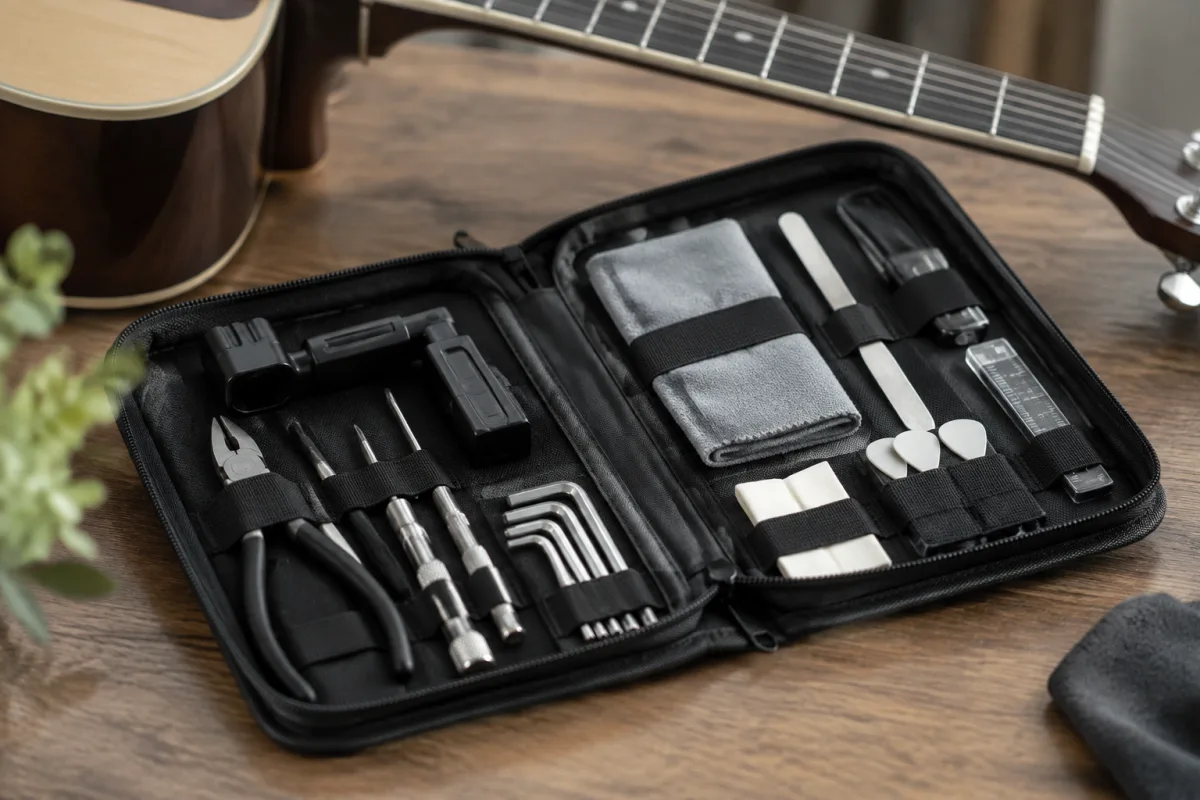
A comprehensive guitar tool kit eliminates the frustration of searching for the right screwdriver or Allen wrench when you need to adjust your action, replace a strap button, or fix a loose potentiometer. But walking into a music shop and staring at a bewildering array of guitar tool kits—from basic five-piece sets to elaborate professional toolboxes—leaves many players uncertain about what actually matters. This guide cuts through the noise and focuses on choosing a guitar tool kit that matches your maintenance needs, skill level, and budget.
Essential Tools vs. Nice-to-Have Accessories
A functional guitar tool kit requires only a few core items. A set of Allen wrenches (hex keys) in 1.5mm to 4mm sizes handles truss rod adjustments, bridge saddle work, and hardware tightening. Phillips and flathead screwdrivers fit most guitar hardware—look for drivers with magnets to prevent dropping screws down electronics cavities. A specialised nut tool or small adjustable wrench lets you remove bridge pins and work with nut-related hardware. A feeler gauge or straight edge checks for proper neck relief. A polishing cloth and fretboard conditioner complete the basics. Beyond these essentials, tool kits often add humidifiers, string action gauges, circuit testers, and cable management tools. These extras aren't necessary for casual adjustments but become invaluable for regular maintenance and repairs. Evaluate honestly whether you'll use premium additions before paying extra for them.
Build Quality and Material Standards
Budget guitar tool kits often use soft metals that strip easily—Allen wrenches bend, screwdriver tips slip out of screw slots, and wrench jaws don't grip securely. Mid-range kits employ hardened steel for drivers and wrenches, resisting wear and preventing the "rounded out screw" problem that frustrates many guitarists. Premium kits use chrome-vanadium alloys that resist corrosion and maintain sharp edges for years. Before purchasing, research specific materials; some cheap kits substitute pot metal that literally breaks under normal use. Reading user reviews focusing on durability reveals which kits tolerate repeated adjustment cycles without degradation. A tool kit that fails after a year costs more than buying a premium kit that lasts a decade.
Organisation and Storage Solutions
How tools are stored dramatically affects whether you'll actually use the kit. Loose tools in a plastic bag mean hunting for the right Allen wrench every time you need to adjust your truss rod. Better kits use foam cases with cutouts for each tool, keeping everything organised and visible. Magnetic tool rolls are compact and suit gigging musicians who need portability. Hard cases with custom inserts protect expensive tools during transport but occupy significant space. Some players prefer wall-mounted organizers if they maintain guitars primarily at home. Consider where you'll store and access your tools most frequently; this determines whether a compact kit or larger case suits your workflow better.
Specialised Tool Categories
Different guitar maintenance tasks require specific tools. Acoustic guitar owners benefit from bridge pin pullers and specialist tools for working with pin bridges. Electric guitar players need soldering irons and circuit testing equipment for electronics work. Classical guitar owners require nylon string-compatible tools that won't damage instruments. Luthiers and serious hobbyists need measuring instruments, levelling tools, and crowning files—items unnecessary for casual maintenance. Identify your actual maintenance needs before purchasing; a kit optimised for acoustic bridge work won't serve an electric guitar player well, and vice versa. Some comprehensive kits include tools for multiple instrument types, though this breadth sometimes sacrifices depth in each category.
Ergonomic Handle Design
You'll be gripping screwdriver and wrench handles repeatedly. Thin, hard plastic handles cause hand fatigue during extended work. Better kits feature rubberised or contoured handles that distribute pressure and improve grip. The handle length matters too—overly long handles waste space and become unwieldy for delicate fretwork; too short and you sacrifice leverage. Test handles in person when possible; ergonomic feel varies tremendously between individuals and brands. After an hour of adjusting hardware, poor handle design becomes genuinely painful. This seemingly minor consideration justifies paying extra for kits with genuinely comfortable handles.
Compatibility with Your Guitar Collection
Different guitar brands and styles use varying hardware standards. Vintage Fenders use different strap button threads than modern Gibsons. Some acoustics use unique bridge pin specifications. High-end luthier instruments occasionally incorporate specialty hardware requiring uncommon tool sizes. Before committing to a kit, review the hardware specifications of your actual instruments. A generic kit might cover 95% of needs but miss crucial compatibility points. Conversely, if you own a diverse collection including vintage and modern instruments, you need broader tool coverage than a player with two contemporary guitars. Matching tool kit scope to your specific instruments prevents frustrating gaps later.
Price Tiers and Value Propositions
Guitar tool kits range from £15 to £150+, with meaningful quality improvements at certain price points. Basic kits (£15-30) include essential tools but sacrifice quality and durability; they're adequate for occasional players but become frustrating for regular maintenance. Mid-range kits (£30-60) offer hardened steel tools, proper organisation, and sufficient scope for most players; this tier represents the best value for casuals and intermediate players. Premium kits (£60-100) add specialized instruments and superior materials but may include tools you'll never use. Professional luthier kits (£100+) feature precision instruments and comprehensive scope unsuitable for typical players. Most guitarists find £40-60 kits strike the ideal balance between capability, quality, and cost.
Assessing Completeness Before You Buy
A complete guitar tool kit sounds comprehensive until you realise it's missing the one tool you need. Before purchasing, list every adjustment or repair task you perform or anticipate performing in the next year. Check whether the kit includes necessary tools for each task. Look at customer reviews identifying commonly mentioned missing items or tools that prove incompatible with specific guitar brands. Some kits appear comprehensive but include undersized or inferior versions of critical tools. A 30-piece kit might be less useful than a 10-piece kit if those 30 pieces include redundant items and compromise on essentials.
For deeper exploration of guitar maintenance and specialist tool applications, explore our comprehensive guide to guitar tool kits, which covers advanced techniques and detailed tool comparisons.
Conclusion
Selecting a guitar tool kit centres on honest assessment of your maintenance needs, prioritising quality materials over tool quantity, and choosing organisation methods that match your workspace. Avoid temptingly cheap kits that sacrifice durability; invest in mid-range kits (£40-60) featuring hardened steel tools and proper organisation. Test tools in person before purchasing when possible, and verify compatibility with your specific guitar collection. A properly chosen guitar tool kit transforms routine maintenance from frustrating to efficient, making you more likely to keep your instruments properly maintained and sounding their best.


Comments