


Guitar Strings Cleaner article
Guitar Strings Cleaner for Beginners: A Complete Guide
Dirty strings lose their tone and die prematurely. A guitar strings cleaner is an affordable way to extend string life and keep your guitar sounding fresh.
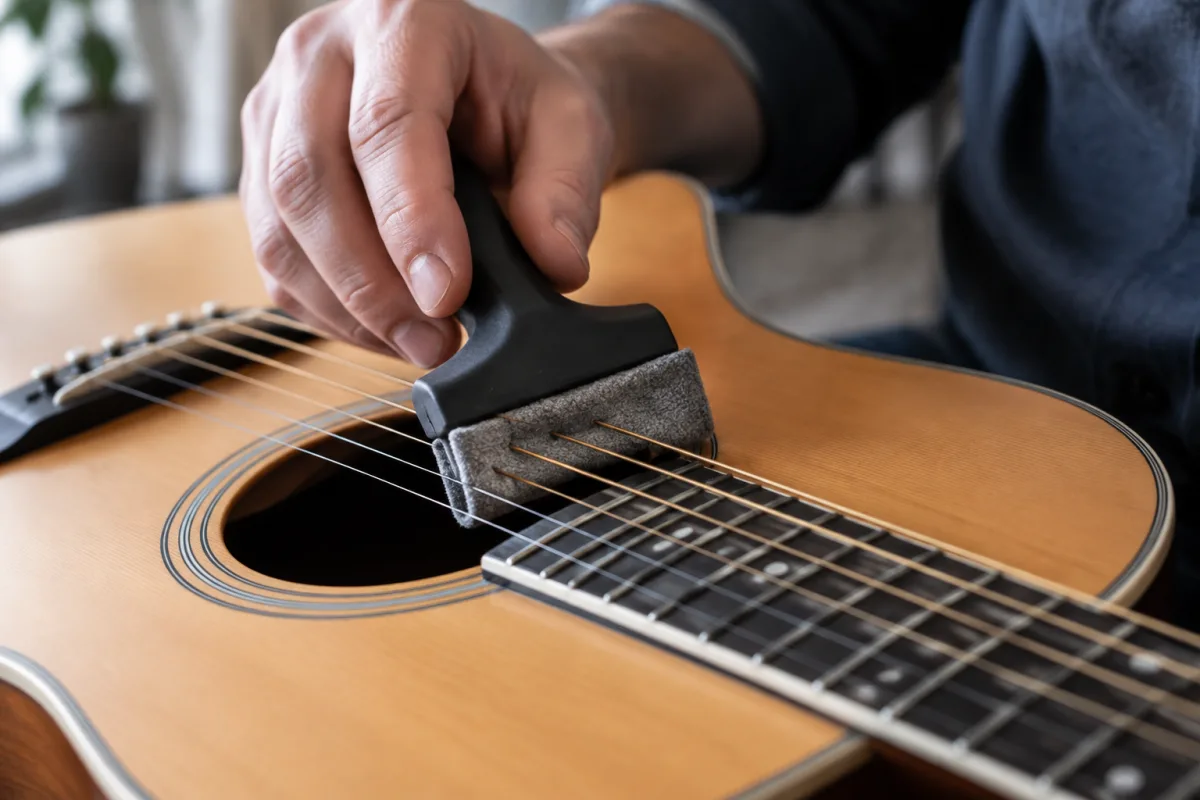
If your guitar strings look dull, sound muted, or feel grimy under your fingers, a cleaner might be exactly what you need. But if you've never tried one, the whole process can feel intimidating. Do you really need one? Will it damage your instrument? What's the right way to do it? The truth is simpler than you think. This beginner's guide shows you exactly how to use a cleaner, why it matters, and how to avoid the common mistakes that first-timers make.
Why Clean Strings Matter More Than You'd Think
New strings sound bright, vibrant, and responsive. But within days, they start accumulating grime—dead skin cells, sweat, dust, and oxidation. This isn't just a cleanliness issue. Dirty strings lose their tone, go dull quickly, and need replacing sooner than they should. A cleaner can restore that brightness and extend the life of your strings dramatically. For beginners especially, learning to use one means saving money while keeping your guitar sounding better longer.
Do You Actually Need a Guitar Strings Cleaner?
You don't absolutely need one. Wiping your strings with a cloth after each session helps. But a proper guitar strings cleaner does something cloth alone can't—it removes built-up grime without damaging the strings or the fretboard. If you play several times a week, a cleaner will pay for itself within a few months by extending string life. If you play occasionally, one might not be worth the investment just yet. But once you try a guitar strings cleaner, most players never go back.
Types of Guitar Strings Cleaners: Find What Suits You
Not all cleaner products work the same way, and knowing your options helps you pick the right one.
String cleaning cloth or wrapped tool: The simplest cleaner option. You slide it along the strings; the cloth or bristles remove grime. Beginner-friendly, no liquid involved, and incredibly effective. A good cleaner cloth costs £5–15 and lasts for years.
Liquid string cleaner: A spray or liquid you apply to strings, then wipe off. Works well for deep cleaning but requires more care—you need to avoid getting liquid on the fretboard or into electronics. Less popular for beginners because of the extra steps, but very effective.
All-in-one fretboard and string cleaner: Designed to clean both at once. A cleaner that does double duty saves time. These are usually cloths with a gentle formula. Good if you want one product for maintenance.
How to Use a Guitar Strings Cleaner: Step by Step
Using a guitar strings cleaner is genuinely simple, but doing it right makes a difference.
- Loosen your strings slightly. This isn't mandatory, but it gives the cleaner better access underneath. Tune your guitar back down when you're done.
- Position the cleaner. Slide your cleaner along each string, working from the tuning peg end toward the bridge. Move slowly—you're not in a rush.
- Work both sides. Strings have a playing side (where your fingers go) and a back side. A cleaner works on both, so take time with each.
- Press gently. You want friction, not force. Let the cleaner do the work. Aggressive scrubbing won't clean better and might damage the strings.
- Wipe away residue. After using a cleaner, run a dry cloth along the strings to remove any loose particles or dust.
- Retune and play. Strings will sound noticeably brighter. Enjoy.
Common Beginner Mistakes When Using String Cleaners
Using too much liquid. If you're using a liquid cleaner, less is more. Excess liquid can drip onto the fretboard, bridge, or electronics. A light mist, then wipe immediately—that's all you need.
Cleaning strings that are already dead. If your strings sound dead, muted, or out of tune, a cleaner won't fix it. Dead strings need replacing. A cleaner maintains strings; it doesn't resurrect them.
Never cleaning the fretboard while you're at it. When you use a cleaner, you've already loosened your strings. This is the perfect moment to gently clean the fretboard too. Use appropriate fretboard oil or a dedicated fretboard cleaner—don't use string cleaner on wood.
Skipping the dry wipe. After using a cleaner, always finish with a dry cloth. Leftover moisture or residue dulls strings faster, defeating the purpose.
Cleaning too often. You don't need to clean after every session. Once a week if you play daily, or monthly if you play casually, is plenty. Over-cleaning won't harm anything, but it's unnecessary.
Beyond the Cleaner: Full String Maintenance
A cleaner is part of good maintenance, not the whole story. Wipe your strings down with a cloth after each practice session—this prevents most grime buildup. Wash your hands before playing. Keep your guitar in a case or cover when you're not using it. These habits, combined with occasional use of a cleaner, keep your strings sounding bright for far longer than beginners typically expect.
Your first cleaner investment is a small one. Once you've tried one, you'll understand why players swear by them. Clean strings sound better, feel better under your fingers, and last longer. For the price of a couple of spare strings, you can extend the life of multiple sets. That's a trade beginners should absolutely make. As you improve, you'll appreciate even small improvements to your instrument's sound and playability. A cleaner gives you both.



Comments