


Cleaning Guitar Strings Buying guide
Cleaning Guitar Strings: A Complete Buyer's Guide
Investing in proper guitar string care doesn't require breaking the bank. This guide walks you through the key factors that separate quality cleaners from gimmicks when you're shopping.
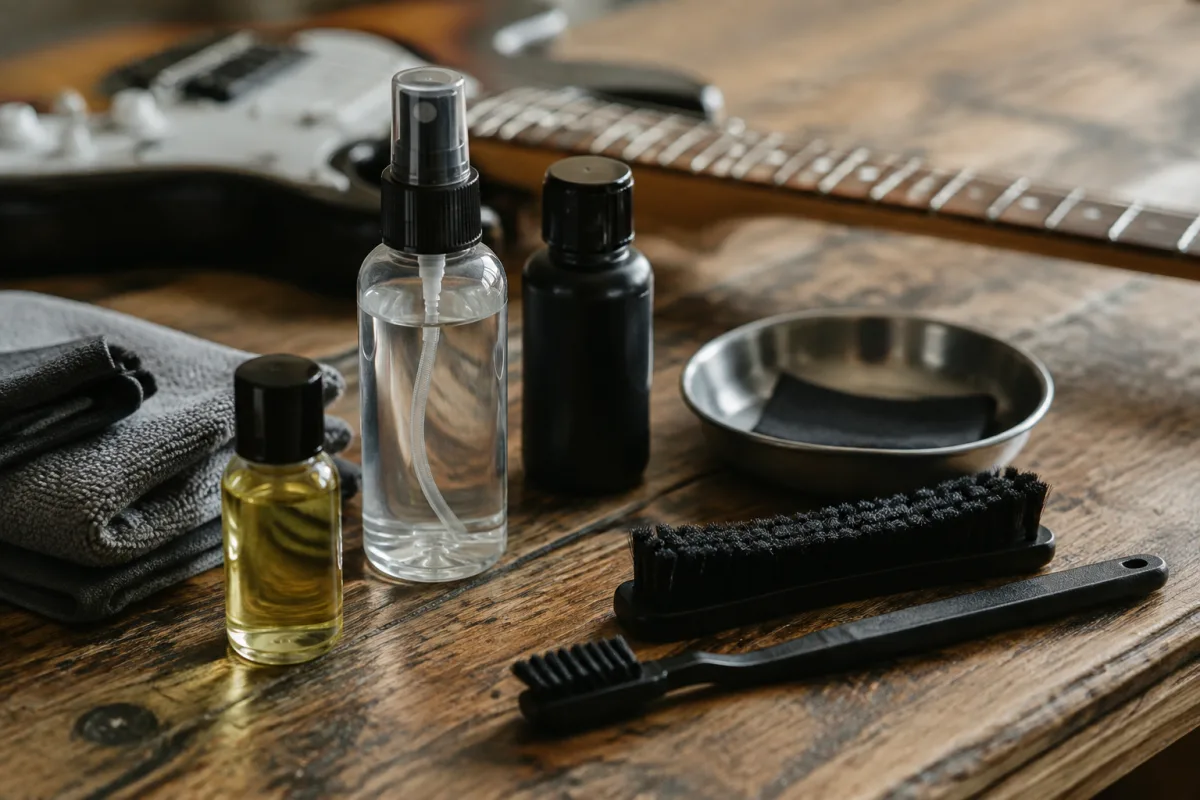
Investing in proper guitar string care doesn't require breaking the bank, but knowing what to look for when buying a cleaner makes a genuine difference to how long your strings last and how well your guitar plays. Whether you're after a quick spray solution or a comprehensive cleaning kit, this guide walks you through the key factors that separate quality products from gimmicks.
What to Look for When Buying Guitar String Cleaners
Not all guitar string cleaners are created equal. The best choice depends on how often you play, your budget, and whether you prefer speed or deep cleaning. Before you add anything to your basket, consider these essential specifications.
Formula Type: Solvent-Based vs. Conditioning
Guitar string cleaners fall into two broad categories, and each has distinct advantages. Solvent-based cleaners are typically degreasing formulas that strip away years of built-up grime, sweat, and oxidation. They work quickly and are ideal if your strings haven't been cleaned in months. However, they can be harsher on fretboard wood if sprayed indiscriminately.
Conditioning cleaners blend light solvents with protective oils and waxes. They clean while adding a thin protective layer that slows string decay. These take slightly longer to work but leave your strings and fretboard in better long-term condition. If you play regularly and clean often, conditioning formulas offer better value.
Application Method: Spray, Liquid, or Cloth-Impregnated
How you apply the cleaner affects both results and ease of use. Spray bottles offer convenience and precision—you can target individual strings without over-saturating your fretboard. Liquid formulas usually require a cloth for application, giving you better control and less waste, though they're messier to handle. Pre-impregnated microfibre cloths combine application and cleaning in one product; they're portable and require no additional supplies but tend to be more expensive per use.
For home practice, a spray or liquid is best. For gigging musicians who need to clean strings between sets, pre-soaked cloths justify the premium price through convenience.
Key Specifications to Check Before Buying
- Evaporation Rate: Faster-evaporating formulas reduce the risk of liquid seeping into the fretboard or electronics. Look for products that dry within 60–90 seconds.
- Fretboard Safety: Check if the product is safe for rosewood, maple, and other common fretboard woods. Some aggressive cleaners can cause discolouration or remove natural oils.
- Corrosion Inhibitors: Quality cleaners include compounds that slow string oxidation after cleaning. This extends the life of your fresh strings by weeks.
- Residue Level: Low-residue formulas prevent sticky buildup on strings and frets after repeated cleaning. Test reviews for this detail.
- Odour: Strong chemical smells are common but not essential. If you're sensitive to fumes or play in enclosed spaces, seek fragrance-neutral options.
- Bottle Size and Concentration: Smaller 100–150 ml bottles suit casual players; concentrated formulas (which you dilute yourself) offer better value for frequent cleaners.
Price Tiers and Value
Guitar string cleaners range from £3 to £20 per bottle, depending on brand and volume. Understanding what each tier delivers helps you avoid overpaying for unnecessary features.
Budget Range (£3–7): Basic spray or liquid cleaners from established guitar brands work perfectly well. These typically use simple solvent formulas with minimal conditioning oils. Expect to replace them every few months if you play regularly. Suitable for home practice and casual players.
Mid-Range (£7–13): This tier includes well-formulated conditioning cleaners and premium spray bottles with better nozzles. Brands often add corrosion inhibitors and fretboard protection. These products last longer and deliver noticeably better results than budget options. Recommended for gigging musicians and players who clean strings weekly.
Premium (£13–20+): High-end cleaners often come in multi-product sets (cleaner plus separate fretboard conditioner) or use specialised formulas for specific guitar types. Unless you play professionally, premium pricing typically doesn't translate to proportional value. The difference between a £10 and £18 product is marginal for most players.
Common Pitfalls to Avoid When Buying
Several marketing claims mask poor value or genuine risks. Watch out for these common traps when shopping.
Avoid anything marketed as "all-in-one" for strings, frets, and body. Products designed for everything often excel at nothing. Separate string and fretboard cleaners, though less convenient, deliver better results. Also skip cleaners with extremely cheap spray nozzles—they leak, mist unevenly, or block after a few uses, making the entire product frustrating.
Be cautious of imported cleaners without clear ingredient lists or safety warnings. Some cheap formulas contain harsh solvents unsuitable for guitar electronics or wood. If a product won't tell you what's inside, there's usually a reason.
Don't assume expensive brands are better. Mid-market guitar brands often make cleaners just as effective as premium offerings, and boutique formulas seldom justify double the price for string cleaning alone.
Matching the Right Cleaner to Your Playing Style
Your guitar maintenance routine determines which cleaner offers best value. A casual player who cleans strings monthly will be content with any budget spray. A touring musician or studio regular needs a mid-range product that balances effectiveness with portability. If you own vintage instruments or guitars with particularly delicate finishes, invest slightly more in a cleaner explicitly tested on rare woods.
For a more comprehensive exploration of string care beyond just purchasing decisions, see our complete guide to cleaning guitar strings, which covers technique, frequency, and long-term maintenance strategies.
The Smart Buying Approach
Start with a mid-range cleaner from a brand you trust. Use it consistently for a month, noting how the strings respond and how long the results last. This real-world feedback is far more valuable than product reviews alone. Once you understand your own cleaning habits and preferences, you can refine your choice—upgrading to a premium product if you find yourself cleaning constantly, or downgrading to budget if you discover you rarely use it. Many experienced players settle on a single product and stick with it, which is the surest sign of good value.


Comments