


Guitar Strap Buttons Buying guide
Guitar Strap Buttons: A Complete Buyer's Guide
Quality guitar strap buttons ensure your instrument stays secure during gigging and performance. This buying guide covers styles, materials and how to avoid common pitfalls.
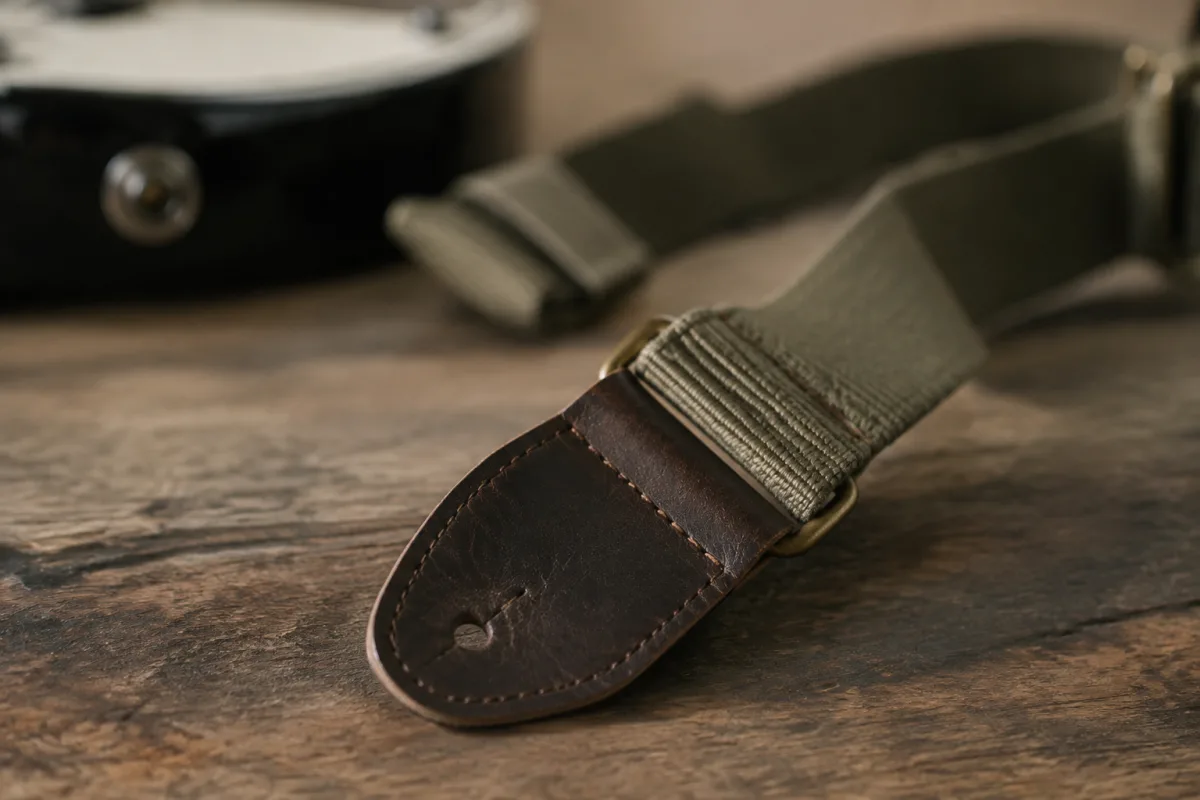
Guitar strap buttons might seem like a trivial detail, but they’re one of those small things that quietly determine whether your gigging experience is pleasant or frustrating. A quality button keeps your strap securely attached, whilst cheap hardware fails at exactly the wrong moment — mid-solo, mid-gig, mid-performance. If you’re shopping for replacement buttons or upgrading your guitar’s hardware, this buying guide will help you understand what matters and what to avoid.
Why Guitar Strap Buttons Matter
A guitar strap button sits between your strap and your guitar, and despite its simplicity, it carries your instrument’s full weight and the force of your playing movements for hours at a time. A poorly designed button can slip, loosen or snap, leaving you scrambling to catch a falling guitar. Beyond the obvious safety concern, a failing strap button creates anxiety — you’re always aware the button might give way, which compromises your performance and confidence.
Quality strap buttons are inexpensive insurance against this problem. They’re reliable, easy to install and often make your guitar feel better balanced and more secure in your hands.
Understanding Different Button Styles
Guitar strap buttons come in several distinct designs, each with its own advantages and ideal use cases:
- Traditional screw-on buttons: The most common style. A metal button with a threaded post screws directly into wood or into an existing mounting hole. Simple, reliable and easy to replace.
- Pin-lock buttons: These use a pin that slides through an eyelet on the strap rather than threading a screw. They offer quick strap removal without unthreading, making them popular with gigging musicians who swap guitars frequently.
- Strap lock systems: Premium options like Schaller and Dunlop strap locks use mechanical locking mechanisms that physically clamp the strap in place. They eliminate accidental disconnection entirely and are standard on professional instruments.
- Leather wrap buttons: Vintage or vintage-style instruments sometimes use buttons wrapped in leather for aesthetic consistency. These are purely cosmetic — the hardware underneath is standard.
Your choice depends on how often you gig, how much stress you place on your strap and whether you value quick strap removal. A gigging musician benefits hugely from strap locks, whilst a bedroom player might be perfectly content with traditional buttons.
Materials and Build Quality
Strap button quality is determined largely by material and construction. Quality buttons are typically:
- Chrome-plated steel or brass: Durable, resistant to corrosion, and long-lasting. Look for buttons with even, thick plating that won’t tarnish or flake off with normal use.
- Stainless steel: Even more corrosion-resistant than chrome, preferred by players in humid or salty environments (near the sea, in tropical climates).
- Nickel-silver or solid brass: More expensive but warmer-sounding and more aesthetically refined. Often found on vintage or premium instruments.
Cheap buttons are often made from thin pot-metal with minimal plating. They look acceptable initially but tarnish quickly, corrode and fail under normal gigging stress. The difference between a £2 cheap button and a £8 quality one becomes obvious within months of regular use.
Price Tiers and Value
Guitar strap buttons span a wider price range than you might expect, reflecting genuine differences in quality and capability:
| Price Range | Type | Best For | Durability |
|---|---|---|---|
| £1–3 | Budget chrome plated | Casual players, temporary replacement | 1–2 years |
| £3–8 | Quality chrome or nickel-silver | Regular gigging, home studio use | 5+ years |
| £8–15 | Strap lock systems (per pair) | Professional gigging, touring | 10+ years |
| £15+ | Premium vintage-style, specialty buttons | Collectors, specific aesthetic needs | Indefinite |
For most players, quality traditional buttons in the £3–8 range represent the best value. They cost little, install easily and last years. If you gig frequently, strap locks in the £8–15 range are worth every penny for peace of mind and convenience.
What to Check When Buying
Before purchasing guitar strap buttons, verify these details:
- Compatibility: Check that the button’s post diameter matches your guitar’s existing hole (typically 6mm or 8mm). Measure your current button if you’re replacing it.
- Thread type: Wood screws have different thread profiles than metal machine screws. Use the correct type for your guitar’s material.
- Length: The post must be long enough to securely anchor into the guitar’s body without bottoming out or failing to grip properly.
- Plating finish: Examine the plating closely. Even coverage indicates quality; thin or patchy plating suggests corner-cutting.
- Weight and balance: High-mass strap buttons (heavier) can subtly affect your guitar’s balance and resonance. Quality matters here, though the difference is minimal.
Buy from established music retailers whenever possible. They stock properly-sized buttons and can advise on compatibility with your specific guitar.
Common Pitfalls to Avoid
Buyers of guitar strap buttons often make simple mistakes with big consequences. Don’t assume all buttons are universal — post diameter and thread type matter enormously. Installing the wrong button creates a loose, spinning fit that fails catastrophically during gigging. Don’t buy the cheapest option on the assumption that strap buttons are all the same — cheap plating fails quickly and replacement becomes an annual chore.
Avoid installing buttons too loosely or too tightly. A button that spins freely will loosen with vibration and eventually work free. A button forced in with excessive torque can strip the wood or crack the guitar’s finish. Hand-tighten until snug, then apply gentle pressure with a screwdriver.
Don’t ignore the strap itself. A worn, damaged or stretched strap puts excessive strain on buttons and will cause them to fail prematurely. If you’re replacing buttons, examine your strap simultaneously and replace it if needed.
When to Replace Your Guitar Strap Buttons
You should replace your guitar strap buttons when you notice visible corrosion, when they spin or loosen even after tightening, when plating visibly flakes off, or when you upgrade to strap locks for added security. Preventative replacement — upgrading from cheap stock buttons to quality ones proactively — is worth doing during your first setup, before a failure ruins a gig.
If you gig regularly, inspect your buttons every few months. Early replacement is far preferable to a button failing mid-performance.
Installation and Maintenance Tips
Installing guitar strap buttons is a five-minute job requiring only a screwdriver. Apply slight hand pressure to the driver, turn slowly and stop the moment the button is snug. Don’t over-torque, as this strips wood and damages the finish. To maintain your buttons, occasionally wipe them with a dry cloth to prevent tarnishing and moisture accumulation.
Periodically check that buttons remain tight, especially after heavy gigging or physical play. A loose button is easier to tighten than one that’s already failed. For additional context on guitar strap hardware and setup, explore the complete guide to guitar strap buttons, which covers installation techniques and the full range of available options.
FAQ
What size guitar strap buttons do I need?
Most modern guitars use 8mm diameter buttons, but some vintage or boutique instruments use 6mm. Measure your existing button or the hole with callipers before buying. When in doubt, ask your guitar’s manufacturer.
Can I install strap locks on any guitar?
Most strap lock systems work with standard strap button holes. However, some vintage guitars with unusual hardware configurations might require custom adapters. Check compatibility before purchasing.
Are expensive strap locks worth the money?
Absolutely, if you gig regularly or tour. The absolute security they provide eliminates anxiety and potential disaster. For home use or occasional playing, standard quality buttons are perfectly adequate.
Can I replace guitar strap buttons myself?
Yes. It requires only a screwdriver and takes five minutes. Simply unscrew the old button and screw in the new one, hand-tightening without over-torque. No special skills required.
Why do my guitar strap buttons keep loosening?
Vibration from playing gradually loosens buttons, especially cheap ones with loose thread fit. Check and tighten buttons regularly, and consider upgrading to quality replacements with tighter tolerances.
Do vintage-style leather-wrapped buttons affect tone?
The leather wrap is purely aesthetic — the hardware underneath is standard. Any subtle tonal differences come from the hardware material and mass, not the wrapping. Choose based on your guitar’s aesthetic, not tone expectations.



Comments