


Fretboard Conditioner article
Everything You Need to Know About Prs Fretboard Conditioner
Fretboard conditioning keeps your guitar's neck nourished and protected. This guide covers types, application and best practices for fretboard maintenance.
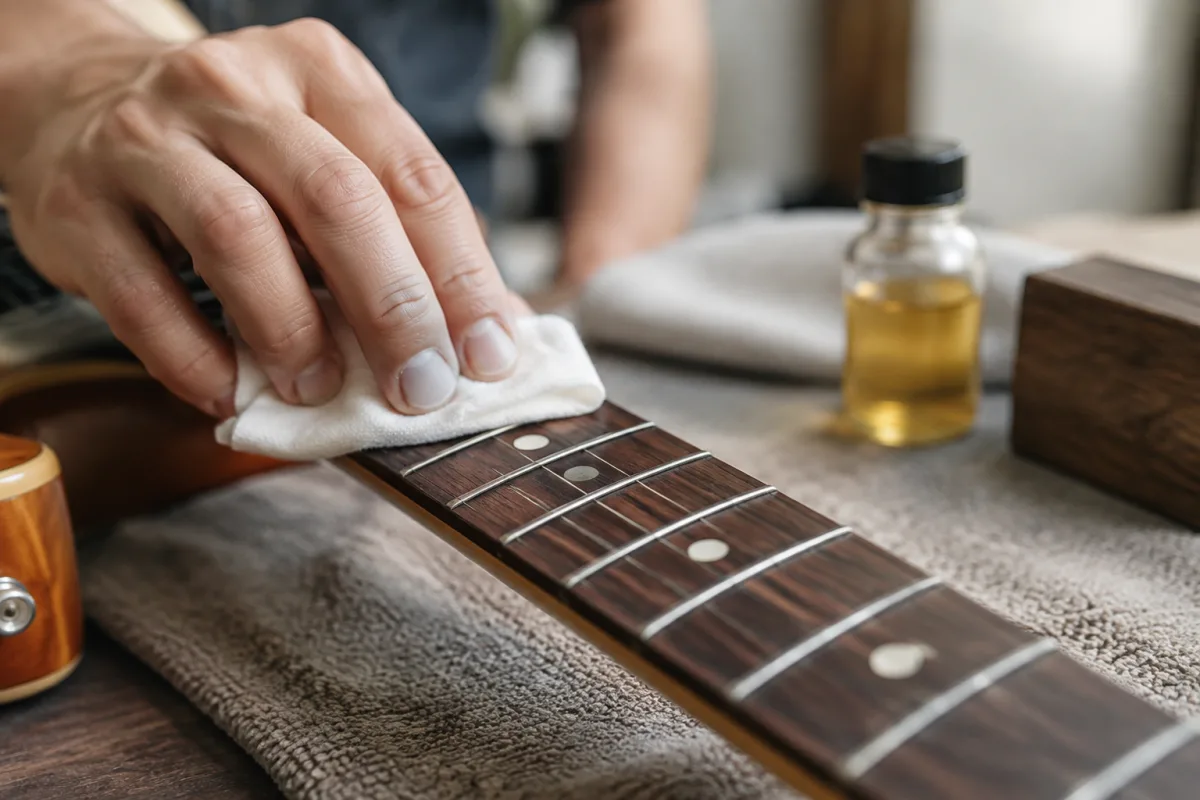
Fretboard Conditioner: Complete Guide
Your guitar's fretboard endures constant contact with your fingers, strings, and the environment. A quality fretboard conditioner keeps the wood nourished, protected, and looking beautiful for decades. Whether you play daily or occasionally, understanding fretboard conditioners and maintenance practices preserves your instrument's playability and appearance.
Why Fretboard Conditioning Matters
The fretboard experiences intense wear from fingerprints, sweat, dust, and string corrosion. Over time, untreated fretboards dry out, affecting playability and appearance. A fretboard conditioner nourishes the wood, keeping it supple and protected. Regular conditioning extends your guitar's lifespan and maintains resale value.
Conditioned fretboards feel smoother and play better. The wood resists dirt and moisture penetration. Your guitar looks professionally maintained when you condition the fretboard regularly—obvious to anyone handling the instrument.
Types of Fretboard Conditioners
Oil-based conditioners penetrate the wood, nourishing it deeply. Linseed oil and lemon oil are traditional options that work well. They're affordable and readily available. The downside is they can become sticky if over-applied and require periodic reapplication.
Specialty guitar fretboard conditioners are formulated specifically for guitar maintenance. They penetrate effectively without excessive stickiness or buildup. Brands like Lemon Oil and Fretboard Gunk manufacture products designed for guitar fretboards. These generally cost more than generic alternatives but deliver superior results.
Wax-based conditioners create a protective barrier on the fretboard without deep penetration. They're less messy than oils and provide good protection. However, wax doesn't nourish the wood as effectively as penetrating oils.
Frequency of Fretboard Conditioning
Condition your fretboard every three to six months with regular playing. If you play daily, condition every three months. Occasional players might condition every six months. If you notice the fretboard looking dry or dull, condition immediately rather than waiting.
Environmental factors matter. Dry climates require more frequent conditioning because the wood dries out faster. Humid climates require less frequent conditioning but might benefit from products that repel moisture.
How to Apply Fretboard Conditioner
Remove your strings or loosen them significantly—this gives you access to the entire fretboard surface. Wipe the fretboard clean with a dry cloth to remove dust and debris. Apply a small amount of fretboard conditioner to a soft cloth—never apply directly to the fretboard. Rub the conditioner into the wood following the grain of the wood.
Let the conditioner soak in for a few minutes, then wipe away excess with a clean cloth. Don't leave pools of conditioner sitting on the fretboard. The goal is to nourish the wood evenly without excessive buildup. Reinstall your strings after the conditioner dries.
Fretboard Types and Special Considerations
| Fretboard Material | Conditioner Type | Notes |
|---|---|---|
| Rosewood | Oil-based | Traditional choice, absorbs well |
| Ebony | Light oil or wax | Needs less conditioning, naturally durable |
| Maple | Specialty guitar conditioner | Avoid excessive oil, typically sealed |
| Pau Ferro | Oil-based or specialty | Dense wood, accepts conditioning well |
Lemon Oil Considerations
Lemon oil is a popular traditional fretboard conditioner, but modern guitar makers often caution against it. Many contemporary guitar manufacturers recommend against lemon oil because it can leave residue over time and doesn't provide lasting protection. Specialty guitar fretboard conditioners are designed to avoid these problems.
If you prefer lemon oil, use sparingly and ensure it's pure lemon oil, not products containing lemon scent but made from mineral oils. Always test on an inconspicuous area first before applying to visible fretboard surfaces.
Deep Cleaning Before Conditioning
Before conditioning, perform deep cleaning if the fretboard is particularly dirty. Use a soft brush or old toothbrush with slightly damp cloth to remove grime between frets and from the fretboard surface. Let the fretboard dry completely before applying conditioner—conditioner works best on dry wood.
For extremely dirty fretboards, specialty fretboard cleaners exist that remove buildup without damaging the wood. Use these before conditioning for best results.
Protecting Your Fretboard Between Conditioning
Regular playing naturally oils the fretboard through finger oils, so daily use provides some conditioning benefit. Wipe the fretboard with a dry cloth after playing to remove sweat and dirt. Store your guitar in a humidity-controlled environment—avoid extreme dryness or excessive moisture.
Use a guitar stand or wall hanger that supports the instrument properly. Don't lean guitars against walls where they can dry unevenly. Proper storage prevents more problems than any conditioner can fix.
Signs Your Fretboard Needs Conditioning
Dull, grey appearance indicates the fretboard needs conditioning. Dry, cracked wood suggests urgent conditioning. Increased dirt and grime buildup suggests conditioning time. Sticky or unpleasant texture indicates time for a thorough cleaning and reconditioning.
Professional Fretboard Conditioning
Guitar technicians and luthiers offer professional fretboard conditioning as part of maintenance services. They use specialized tools, techniques, and professional-grade products. Professional conditioning costs £20-50 depending on fretboard condition and location. For valuable guitars or severe neglect, professional conditioning is worthwhile.
Conclusion
Regular fretboard conditioning is a simple maintenance practice that extends your guitar's lifespan and maintains playability and appearance. Use quality fretboard conditioner appropriate for your fretboard material, apply it every few months, and store your guitar in proper conditions. A well-maintained fretboard is a joy to play and demonstrates care for your instrument that enhances its value and longevity.




Comments