


Flare Audio article
The Ultimate Guide to Flare Audio
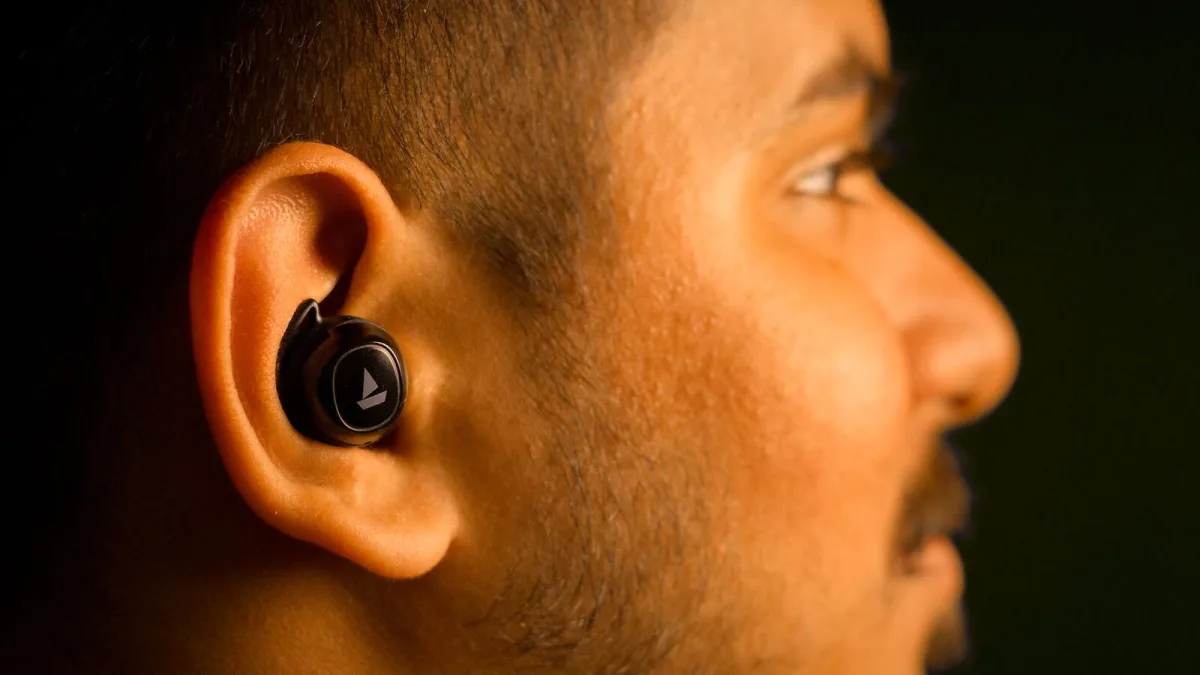
Flare Audio is a British audio-technology company that started life in 2010 building loudspeakers and PA systems for festivals and live events. If you're wondering why a company known for festival speakers would pivot to earphones and hearing protection, the answer reveals something fascinating about how sound actually works. Davies and Naomi Roberts, the founders, noticed that resonance—unwanted coloration and distortion—was affecting everything from large-scale PA systems down to consumer earbuds. That observation became the engine driving Flare Audio's entire product philosophy: reduce resonance, and you improve the listening experience.
What Makes Flare Audio Different
The core idea behind Flare Audio products is deceptively simple but technically involved. The human ear isn't a passive receiver. Its shape—the outer ear, the ear canal, the eardrum—creates resonances at specific frequencies, typically in the 2 to 8 kHz range. These resonances colour what we hear, sometimes harshly. Most earphones and earplugs ignore this problem entirely. Flare Audio doesn't.
The company's approach divides into three main product categories. First, there's Isolate, a high-attenuation hearing protector built from solid titanium or aluminium with replaceable foam tips, certified to EN 352-2:2020 with an SNR rating of 30 dB. Second, there's Calmer and its variants—a fundamentally different device. Calmer is hollow, not solid. It doesn't block sound or reduce volume; instead, it uses a tiny waveguide to alter how sound enters the ear canal, with the aim of reducing the perceived harshness of everyday noises. Finally, there are consumer earphones and earbuds designed using Flare Audio's low-resonance approach, like the Studio Master.
The Isolate Range: Hearing Protection That Preserves Music
Most hearing protectors work by bluntly reducing all sound equally. Try wearing industrial foam earplugs to a concert, and you'll understand the problem: the music sounds muffled and distant. Isolate takes a different approach. By using a solid metal body and carefully designed acoustic path, Flare Audio says the plugs attenuate damaging frequencies while preserving the harmonic content of music.
The design is clever. Heat-reactive memory foam adapts to your ear, and Flare supplies multiple tip sizes to ensure proper fit. Proper fit is everything; if the plug doesn't seal correctly, the SNR rating becomes meaningless. Isolate Pro, the musician-focused variant, won particular praise from independent reviewers at LouderSound, who noted that it does "a fantastic job of killing damaging frequencies without impacting the music." That said, the small form factor that makes Isolate discreet also makes it easy to lose, so keeping them in their case matters.
Calmer: A Different Kind of Ear Product
Here's where Flare Audio gets interesting, and also where misunderstanding is common. Calmer is not hearing protection. This matters legally and practically. Calmer doesn't reduce volume. It doesn't certify to EN 352-2 or any hearing-protection standard. What it does is change the acoustic geometry of your outer ear, with the stated aim of reducing perceived harshness in frequencies around 2 to 8 kHz.
In simple terms: if traffic noise or children's voices or cutlery sounds cause you genuine distress, Calmer might help. It doesn't make those sounds quieter. It may make them sound less harsh. The distinction is real, and Flare Audio is explicit about it in their marketing. Calmer Extra adds a light-attenuation filter giving roughly 10 dB of reduction, making it a middle ground between Calmer's purely resonance-focused approach and high-protection earplugs.
In 2025, Calmer won a King's Award for Innovation—a significant achievement in the UK. The company also markets Calmer 2 Prototype, described as using "precise tuning technology" to target stressful frequencies more effectively, though it remains in prototype form and is not presented as hearing protection.
The Technical Foundations
Understanding Flare Audio requires separating marketing from acoustics. The company makes claims about reducing resonance and the stress response to certain sounds. Those claims are grounded in real acoustic principles—ear anatomy does create resonances, and those resonances do affect what we hear. But independent laboratory validation isn't yet comprehensive. The available sources don't provide peer-reviewed studies comparing Calmer with placebo inserts or standard earplugs, nor do they offer detailed frequency-response graphs for every product.
What we do know is that Isolate carries proper certification and an SNR rating derived from laboratory testing. Real-world performance depends on correct insertion, fit, tip size, ear anatomy and whether the plugs stay seated. For musicians and concertgoers, Isolate fits into a spectrum that includes conventional foam earplugs, filtered musician plugs from brands like Etymotic and Alpine, and higher-attenuation options.
From Festival PA to Personal Listening
The journey from Flare Audio's roots in live-event PA systems to its current range of consumer ear products makes sense when you understand the resonance principle. A festival PA system and a pair of earphones are different scales of the same problem: unwanted coloration. Davies Roberts and the Flare Audio team applied lessons learned from loudspeaker design to miniaturised consumer products. The company's history matters because it explains why Flare Audio thinks differently about sound reproduction than brands focused purely on consumer audio.
Who Should Consider Flare Audio
Isolate appeals to musicians, concertgoers and anyone exposed to loud environments who wants hearing protection that doesn't sacrifice sound quality. Studio Master and other Flare Audio earphones suit listeners interested in low-resonance audio reproduction. Calmer targets people troubled by perceived harshness in everyday sounds—not as medical treatment, but as a consumer sound-management tool.
One note of caution: don't use Calmer as a substitute for certified hearing protection in genuinely loud environments. Its 10 dB reduction, even with Calmer Extra, isn't sufficient for concerts, clubs, festivals, shooting ranges or industrial workplaces. That's what Isolate is for.
Conclusion
Flare Audio represents a thoughtful approach to audio reproduction and hearing protection, built on solid acoustic principles and grounded in real experience with large-scale sound systems. Whether you're after Isolate for festival season, Calmer for everyday listening comfort, or the company's consumer earphones for detailed music reproduction, the underlying philosophy remains consistent: reduce resonance, and you improve the listening experience. The company's willingness to distinguish clearly between its products—Calmer versus Isolate, consumer earphones versus hearing protection—is itself worth respecting.






Comments