


XLR Snake Buying guide
Xlr Snake: A Complete Buyer's Guide
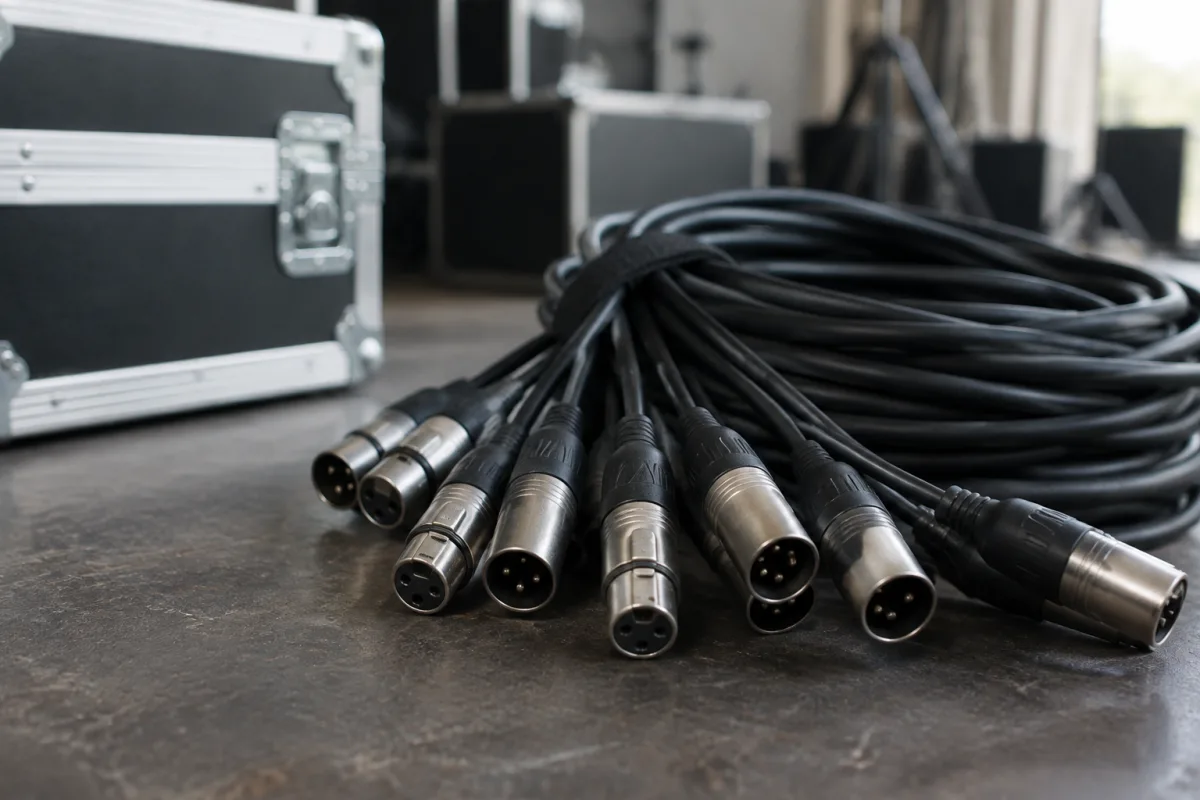
An XLR snake is a professional cable assembly that consolidates multiple audio lines into one portable bundle, simplifying live sound setup and breakdown. When selecting an XLR snake, numerous options exist at vastly different price points, from budget imports to premium touring-grade cables. Choosing wisely prevents signal degradation, intermittent connection issues, and replacement costs down the road. This buying guide walks you through evaluating XLR snakes by essential specifications, understanding quality markers, identifying common pitfalls, and making a confident purchase that suits your actual needs and budget.
Defining Your XLR Snake Application Before Shopping
Different uses demand different XLR snake characteristics. A church or small venue running one or two events weekly has different XLR snake needs than a touring band performing nightly. A studio recording XLR snake rarely travels; a live sound XLR snake endures constant setup, breakdown, and transport. Home recording applications rarely need a full XLR snake; professional live sound almost always does. Before comparing specific models, clarify your primary XLR snake use case and performance frequency. This context shapes which XLR snake specifications matter most.
For a comprehensive exploration of XLR snakes and their various applications, consult our complete guide to XLR snakes, which covers options and use cases in detail.
Critical XLR Snake Specifications to Evaluate
When comparing XLR snakes, certain specifications determine whether a particular model will serve your workflow effectively. Understanding these prevents costly mistakes:
| Specification | Why It Matters When Choosing an XLR Snake |
|---|---|
| Channel Count | Your XLR snake should have channels matching your typical setup. Overkill wastes money; undersized XLR snake limits flexibility. Most live sound applications need 8, 16, or 24 channels. |
| Cable Length | A longer XLR snake provides flexibility in stage placement versus mixer location. Longer cable means greater flexibility but heavier weight. Choose based on typical venue distances. |
| Connector Quality | Premium XLR snake connectors use gold-plated contacts that resist oxidation and intermittent connections. Budget XLR snakes use cheap connectors that deteriorate quickly. |
| Cable Gauge (Wire Thickness) | Thicker wire in an XLR snake (lower gauge number) carries signal better and resists interference. A quality XLR snake uses 20 or 22 gauge; cheap XLR snakes use thinner wire. |
| Shielding | Proper shielding on your XLR snake prevents RF interference and hum. Budget XLR snakes economise on shielding; quality models invest here. |
| Jacket Material | Your XLR snake's outer jacket should be durable and flexible. Professional XLR snakes use reinforced jackets withstanding road use; cheap XLR snakes crack easily. |
| Weight and Portability | A 24-channel XLR snake at 40 metres weighs significantly more than an 8-channel at 20 metres. Consider your actual transport needs when evaluating weight. |
| Breakout Box Design | The XLR snake's breakout box (connector end) should feel sturdy with secure strain relief. Cheap breakout boxes fail first under touring stress. |
Price Tiers and Value in XLR Snakes
XLR snake pricing reflects quality and durability. Understanding each tier helps you find genuine value:
- Budget XLR Snake (£50–£150). Entry-level XLR snakes work initially but develop issues—intermittent connections, noise, physical wear—within months of regular use. A budget XLR snake might save money upfront but costs more long-term through replacements.
- Mid-Range XLR Snake (£150–£400). At this price, an XLR snake offers solid construction, reliable connectors, and durability for regular professional use. Most working live sound engineers use mid-range XLR snakes exclusively. This tier represents the best value.
- Professional XLR Snake (£400–£1,000+). Premium XLR snakes offer tour-grade construction, premium connectors, and exceptional durability. A professional XLR snake is justified for DJs and bands performing nightly. However, most mid-range XLR snakes serve professional use adequately.
Common Pitfalls When Purchasing an XLR Snake
Smart buyers avoid these mistakes:
- Buying based on price alone. The cheapest XLR snake isn't an economy; it's a false bargain that fails under regular use.
- Oversizing dramatically. A 24-channel XLR snake for an 8-channel band means excessive weight and cost. Choose based on typical requirements, not theoretical maximum.
- Ignoring connector quality. Cheap connectors on an XLR snake cause noise and intermittent connections. Verify connector specifications before purchase.
- Assuming longer XLR snake is always better. Longer cable means flexibility but also greater weight and slightly higher signal loss. Match length to actual venue distances.
- Neglecting jacket durability. An XLR snake's jacket endures rolling, outdoor weather, and rough handling. Cheap jackets crack within months of touring.
- Buying without testing sound quality. If possible, test an XLR snake with your mixer and instruments. A quality XLR snake should sound quiet and stable.
Evaluating XLR Snake Reviews and Specifications
When researching XLR snakes online, read reviews critically. Look for users discussing actual durability—has their XLR snake lasted years of professional use? Be wary of reviews mentioning "worked fine for a few months" or "started having issues after a year." Check whether reviewers discuss noise performance; a quality XLR snake should be silent. Most importantly, verify that reviewers have used the XLR snake in conditions matching yours—touring versus studio versus church use.
Construction Quality Markers in XLR Snakes
Beyond specifications, certain construction indicators reveal quality in an XLR snake. Gold-plated connectors resist oxidation better than nickel. Braided cable jacket feels premium and resists abrasion better than smooth plastic. Strain relief at connector ends should feel substantial. The breakout box should feel solid, not hollow or plastic-y. When evaluating an XLR snake in person, these tactile indicators reveal durability potential.
Warranty and Support for XLR Snakes
Reputable XLR snake manufacturers offer substantial warranties—often 5-10 years for professional models. Short or vague warranties on an XLR snake suggest cutting corners. Good warranty also means available replacement parts; if an XLR snake connector fails, replacements should be obtainable.
Testing an XLR Snake Before Committing
Before purchasing an expensive XLR snake, rent one from a sound rental company if possible. Test it at an actual venue or event. Does the connection feel secure at both ends? Does it handle repeated setup and breakdown without issues? This real-world testing reveals far more than specification sheets.
Making Your XLR Snake Purchase Decision
Choosing an XLR snake is straightforward once you define your actual needs and prioritise long-term durability over upfront savings. Identify your typical channel count and cable length requirements. Invest in mid-range quality from reputable manufacturers. Verify connector quality and cable gauge. Read reviews from users in your performance category. Test before buying if possible. Your XLR snake will serve you reliably for years with proper care. Make an informed decision and proceed with confidence.


Comments