


Turbosound PA Speaker article
Turbosound Pa Speaker for Beginners: A Complete Guide
A beginner's guide to understanding, setting up, and running Turbosound PA speakers with confidence—from placement to your first gig.
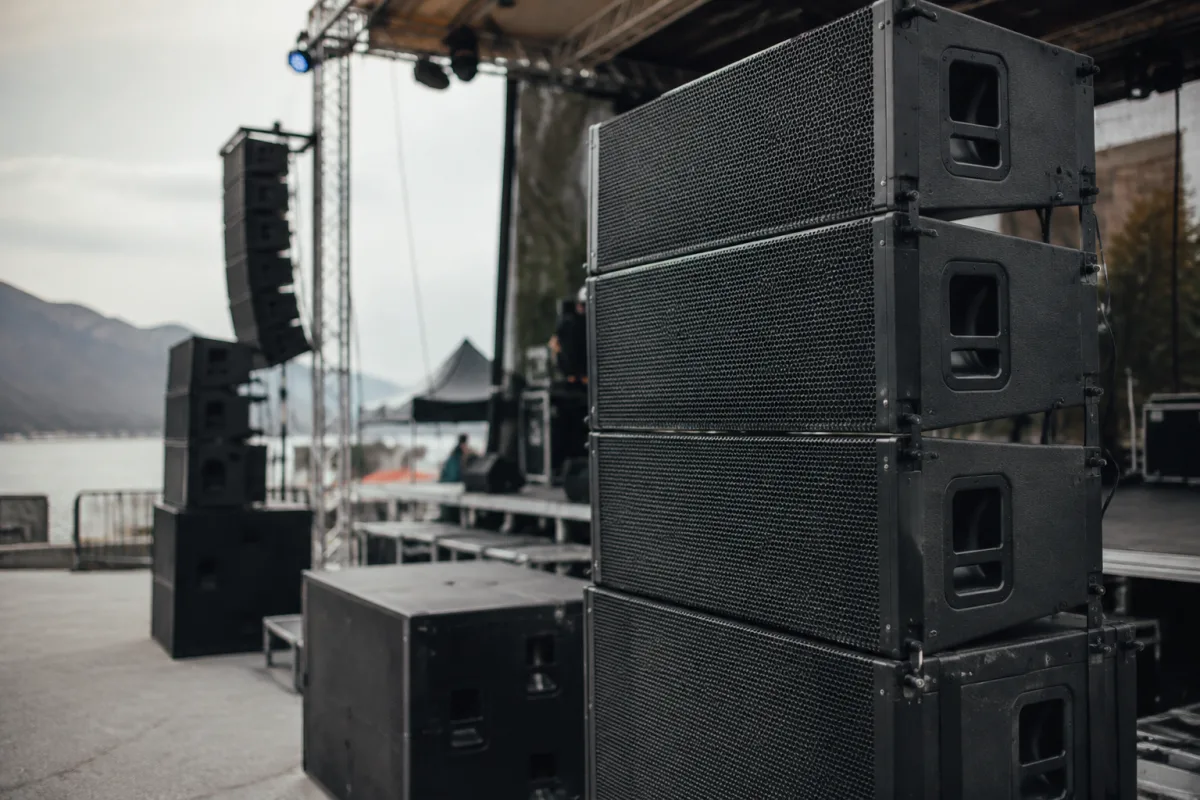
Stepping into live sound for the first time can feel overwhelming. There are cables everywhere, unfamiliar terms flying around, and suddenly someone asks you to "dial in the PA." If you're coming to Turbosound PA speakers as a beginner, take a breath. Turbosound gear is built with durability and reliability in mind, and once you understand a few basics, you'll find that working with their systems becomes straightforward and genuinely satisfying.
Why Turbosound PA Speakers Are a Smart Starting Point
Turbosound has spent decades building professional live sound equipment for venues, festivals and touring acts. Their reputation matters because it means their gear is forgiving for beginners. When you rent or purchase a Turbosound system, you're working with speakers that are engineered to handle real-world use—accidents, weather, setups by people who are still learning. They deliver clear, punchy sound even when you're not perfect with your setup. That reliability is worth more than you might think when you're learning.
Start with the assumption that Turbosound speakers are going to work. They're not temperamental. That removes one layer of anxiety and lets you focus on the actual skill of running sound.
The Easiest Way to Think About a PA System
A PA system is three things: something that makes sound (your mixer or audio source), something that amplifies it (the amp), and something that reproduces it (the speakers). Turbosound handles the last two parts beautifully. Here's the mental model that makes it click.
Your mixer—or your laptop, or your phone—sends audio to a power amp. The amp takes that weak signal and makes it loud. The speakers take that amplified signal and turn it into sound waves that fill the room. Turbosound speakers are excellent at that last job. They're built to be efficient, which means they get loud without needing a massive amp pushing them. That's a genuine advantage for beginners who might not know how to size an amp correctly.
First Steps: Understand Your Space
Before you even unpack speakers, ask yourself one question: how big is the space you're trying to fill with sound? A small pub needs different thinking than a 300-capacity venue or an outdoor festival stage. Turbosound makes systems for different scales, and picking the right size for your room is the single most important decision.
If you're running sound for a band in a 100-person room, a Turbosound iO Series compact system is plenty. If you're doing a 500-person outdoor event, you'll want something bigger. The key is not to overthink it. Turbosound's product line is organized by size and purpose. Start there. A rental company can point you at the right scale for your gig, or ask someone who's run sound before. One honest conversation saves hours of worry.
What You Actually Need to Know About PA Speaker Boxes
Turbosound speakers come in boxes of different shapes and sizes. You don't need to memorise the model numbers. What matters for a beginner is this:
- Main speakers (tops): These sit in front of the audience or on a stage, pointing at people. They reproduce the full frequency range—music, vocals, everything. Turbosound tops are designed to have a wide, even coverage so people everywhere in the room hear the same thing.
- Bass speakers (subs): These sit on the ground and handle the low frequencies that make the audience feel bass in their chest. You don't always need subs for smaller gigs, but they transform the experience when you do use them. A small PA works fine without subs. A venue PA usually includes them.
- Monitor speakers: These sit on stage pointing back at the band so they can hear themselves. Different job entirely. Start by forgetting about monitors if you're just mixing front-of-house sound.
Turbosound's main speakers are typically compact, well-built boxes that clip or bolt together. Once you've placed them, you're done. They don't need constant adjustment.
Placement: Get This Right and Everything Gets Easier
The number one beginner mistake is putting speakers in the wrong place. If your Turbosound speakers aren't positioned properly, no amount of tweaking the mixer will fix it. Here's the beginner's version of speaker placement.
Main speakers should be in front of the audience, elevated slightly so sound reaches the back of the room and doesn't just bounce off people's heads. Clamp them onto stands or rig them to a truss if you have one. Point them down and forward, never straight ahead at ear level. Turbosound tops are designed to throw sound far and wide, so a little height and angle goes a long way.
If you're using subs, place them on the ground in front or to the side, where they won't block sightlines. A single sub in the middle works for most small venues. Two subs, one left and one right, work better for larger spaces, but start with one.
The second beginner mistake is plugging everything in and then moving things around when something sounds wrong. Don't do that. Set your speaker positions first, using your eyes and common sense. Then run cables. Then mix. Changing speaker positions mid-soundcheck is chaotic.
Cabling: It's Not Complicated
Turbosound speakers connect to an amp with speaker cables. Those are the thick cables with big connectors. Don't confuse them with audio cables (thinner, smaller connectors). Audio cables run from your mixer to the amp inputs. Speaker cables run from the amp outputs to the speakers. Keep them separate.
For a beginner, buy or borrow cables that are already the right length. Don't coil cables tighter than necessary. Don't step on them or drive over them. That's it. You're not going to break anything by handling cables normally.
Getting Sound Into Your System
Your mixer sits between your audio source (laptop, band's instruments) and the amp. Signal flow is simple: audio comes in, you adjust levels and EQ, and amplified sound comes out. Turbosound doesn't care what mixer you use, as long as you send it a proper line-level signal (not microphone level, usually—get that bit clear with someone experienced before you start).
The first time you turn it on, keep levels low. Set your master fader to zero (silent), then slowly bring it up as you play a song. You'll hear sound appear. That's normal. Don't suddenly crank it loud trying to "wake it up." Gradual is correct. Turbosound speakers are loud enough that quiet adjustments matter.
Common First-Timer Mistakes and How to Avoid Them
People new to PA systems reliably make the same few errors. Knowing them in advance saves you from panic.
Mistake one: assuming the speakers are broken because something sounds wrong. Ninety percent of the time, it's a cable unplugged, the mixer muted, or the amp turned off. Check those before assuming gear failure. Turbosound speakers rarely fail. Your setup probably just needs a restart.
Mistake two: running the system too quietly, then running the whole room's worth of power into one speaker. Start at a reasonable level, which is usually not as quiet as you think. If you can't hear yourself talking, it's usually loud enough for a band. Turbosound handles power well, so you don't need to baby the volume knob.
Mistake three: adding effects or EQ without understanding what you're changing. For your first gig, leave the EQ flat (no boosts or cuts) and don't add reverb. Just mix clear, balanced levels. Effects are for later.
Mistake four: changing things during the performance. Sound-check is for changes. During the show, leave it alone unless something is actually broken. Every knob you touch during a song makes things worse, not better.
Your First Gig Checklist
The night before or the morning of, do this:
- Test every speaker by plugging in a phone and playing a song. You should hear full, clear music. If you don't, something is disconnected.
- Make sure the amp is switched on (obvious but easy to forget).
- Check that your mixer is powered and working.
- Set all faders to zero and all knobs to neutral before anyone plays through it.
- Walk around the room and listen from different spots. Does sound reach the back? Are there dead zones? Turbosound's coverage is usually excellent, so you're mostly checking that placement is right.
- Do a full run-through of the music with someone playing quietly through the system. Adjust mix levels, confirm everything is audible, then stop and declare sound-check done.
After the Gig: Keep Your Equipment Safe
Turbosound gear is tough, but it's also expensive. After a gig, power everything down properly (don't just yank cables). Speed up speaker tear-down by coiling cables neatly, keeping small parts together, and labeling which cable goes where if you're renting. Protect gear from moisture. If something gets wet, dry it properly before packing it away. Report any damage immediately so rental companies know what happened.
When to Ask for Help (And You Should)
If you're genuinely unsure about something, ask. Call the rental company, ask someone at the venue, message a friend who's mixed sound before. It's better to admit "I don't know" than to spend an hour troubleshooting alone and feel rushed. Most people in live sound are helpful to beginners because they remember being beginners themselves.
Confidence Comes From Repetition
Your first gig will feel strange. Your second will feel easier. By your fifth, you'll realize you've been worrying for no reason. Turbosound PA speakers are designed to reward regular use. The more you work with them, the more you'll learn what good sound actually sounds like, and the faster you'll spot problems when they happen.
The path from nervous beginner to confident live sound tech is straightforward. Start with speakers that won't surprise you, place them sensibly, keep your mix simple, and listen carefully. Turbosound handles the rest.
Conclusion
Beginning with Turbosound PA speakers is a smart choice because these systems are reliable, forgiving and built for real-world use. Your first steps are simple: understand your space, place speakers thoughtfully, keep cabling neat, and mix at appropriate levels. Avoid the common mistakes—worrying that everything is broken when it's just unplugged, overthinking EQ and effects, and changing things mid-performance. Every gig teaches you something. After a few events, what now feels overwhelming will become routine. Turbosound gear will work for you reliably while you build confidence and skill. That's exactly the partnership you need when you're starting out.



Comments