


Alto Powered Speaker article
The Complete Guide to Alto Powered Speaker
A comprehensive guide to Alto powered speakers covering specifications, sound quality, ideal applications, and how to choose the right model for your needs.
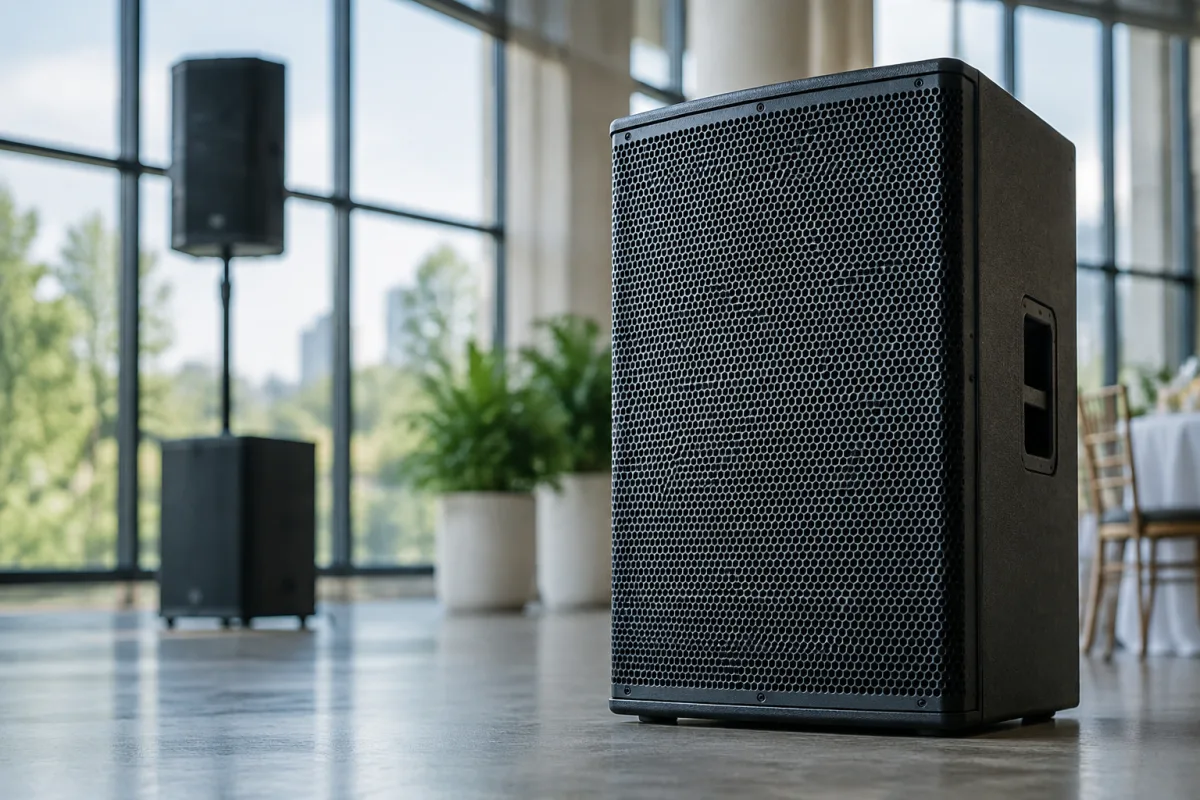
If you're involved in live sound, events, or music performances, finding the right powered speaker can transform your setup from mediocre to professional. The Alto powered speaker has emerged as a reliable choice for venues, performers, and audio professionals seeking portable yet powerful sound reinforcement. Whether you're running a small venue, leading a worship band, or managing wedding entertainment, these speakers offer impressive audio quality without requiring separate amplifier equipment.
What Defines These Speakers
A powered speaker combines speaker drivers and amplification into a single self-contained unit. Unlike passive speakers that require external amplifiers, Alto units integrate the amp directly into the cabinet, making them perfect for anyone who needs portability without sacrificing power. Alto is known for building rugged, stage-ready equipment at competitive prices, making it accessible to small venues and independent performers.
The strength of these units lies in their convenience. Everything you need—drivers, crossover, amplification, and protection circuitry—is built into one cabinet. Simply connect your mixer output or line-level audio source, plug in power, and you're ready to fill a venue with sound.
Technical Specifications and Features
Alto powered speakers typically offer impressive specifications that rival more expensive competitors. Most models feature:
- Wattage: Ranging from 1000W to 3000W depending on the model, providing plenty of headroom for most applications.
- Driver configuration: Combinations of woofers and tweeters designed to cover the full frequency spectrum clearly and evenly.
- Frequency response: Typically 50Hz–20kHz, ensuring tight bass reproduction and crisp highs.
- Connectivity: XLR, RCA, and often wireless microphone input options for flexibility in different venues.
- Built-in mixing: Many models include channels for microphones and auxiliary inputs, reducing setup complexity.
- Protection features: Thermal and short-circuit protection to prevent damage during continuous use.
Sound Quality and Performance
These speakers deliver sound that belies their compact size. Alto units handle vocals, instruments, backing tracks, and speech with impressive clarity. The cabinet design, combined with professional driver selection, ensures even coverage across a venue without dead spots where audiences struggle to hear details.
One significant advantage of this equipment is its consistent sound regardless of venue shape or size. The built-in crossover and amplification work together to maintain balanced frequency response whether running at 30% or full volume. This stability makes such speakers particularly suitable for environments where volume levels must adapt throughout the night.
Applications and Use Cases
An Alto powered speaker serves numerous applications effectively:
- Worship and churches: Providing reliable sound for sermons, music, and congregational singing.
- Live bands and performers: Delivering monitor mixes and main reinforcement for touring and local gigs.
- DJ and dance events: Producing the projection and bass needed for high-energy entertainment.
- Educational settings: Supporting presentations, lectures, and student performances in schools and training facilities.
- Outdoor events: Weather-resistant models for festivals, markets, and outdoor celebrations.
- Recording studios: Serving as reference monitors for accurate critical listening during production.
Advantages of These Systems
Choosing this equipment offers several compelling benefits. The integrated amplifier means no separate components to purchase, transport, and troubleshoot. Weight and space requirements stay minimal compared to traditional amplifier-plus-speaker setups. Setup time drops dramatically—no complex cabling or amplifier positioning required.
The equipment also provides excellent value. Alto consistently delivers professional performance at prices significantly lower than equivalent systems from premium brands. Build quality remains solid, with reinforced cabinets and components designed for the demands of regular touring and rental use.
Maintenance and Care
Keeping your powered speaker in top condition requires minimal but consistent attention. Regularly inspect cables and connectors for damage before performances. Clean the grille and cabinet surfaces with a soft, dry cloth to prevent dust buildup. Check that cooling vents remain clear, as these units rely on proper airflow to manage heat during extended use.
Never allow liquids near the speaker or exposure to extreme temperature swings. Store the unit in a dry location, and always power down and cool the speaker completely before transporting it. If you notice distortion, crackling, or power issues, have a qualified technician diagnose the problem rather than attempting repairs yourself.
Comparing Alto to Competitors
When evaluating Alto equipment against other brands, several factors differentiate the choice. Alto speakers compete well on price and durability, though some venues prefer brand prestige or specific sonic characteristics. Where this brand excels is in the sweet spot of affordability, reliability, and performance—making it the practical choice for small-to-mid-sized operations.
Professional touring companies sometimes mix Alto systems with other brands depending on venue requirements. This flexibility highlights how these speakers fit into broader sound system strategies.
Conclusion
Whether you're outfitting a small venue, supporting a band's tour, or upgrading your event sound system, an Alto powered speaker represents a smart investment. These speakers combine genuine professional capability with the convenience of self-contained operation and reasonable pricing. The equipment delivers the sound quality, reliability, and value that busy audio professionals and performers need. By choosing Alto, you're selecting equipment proven in countless real-world applications—from intimate club performances to substantial outdoor events.


Comments