


Podcast Mixer Buying guide
Podcast Mixer: A Complete Buyer's Guide
Selecting a podcast mixer requires understanding your channel requirements, audio quality needs, and workflow priorities. This buying guide covers essential specs, common mistakes, and pricing tiers.
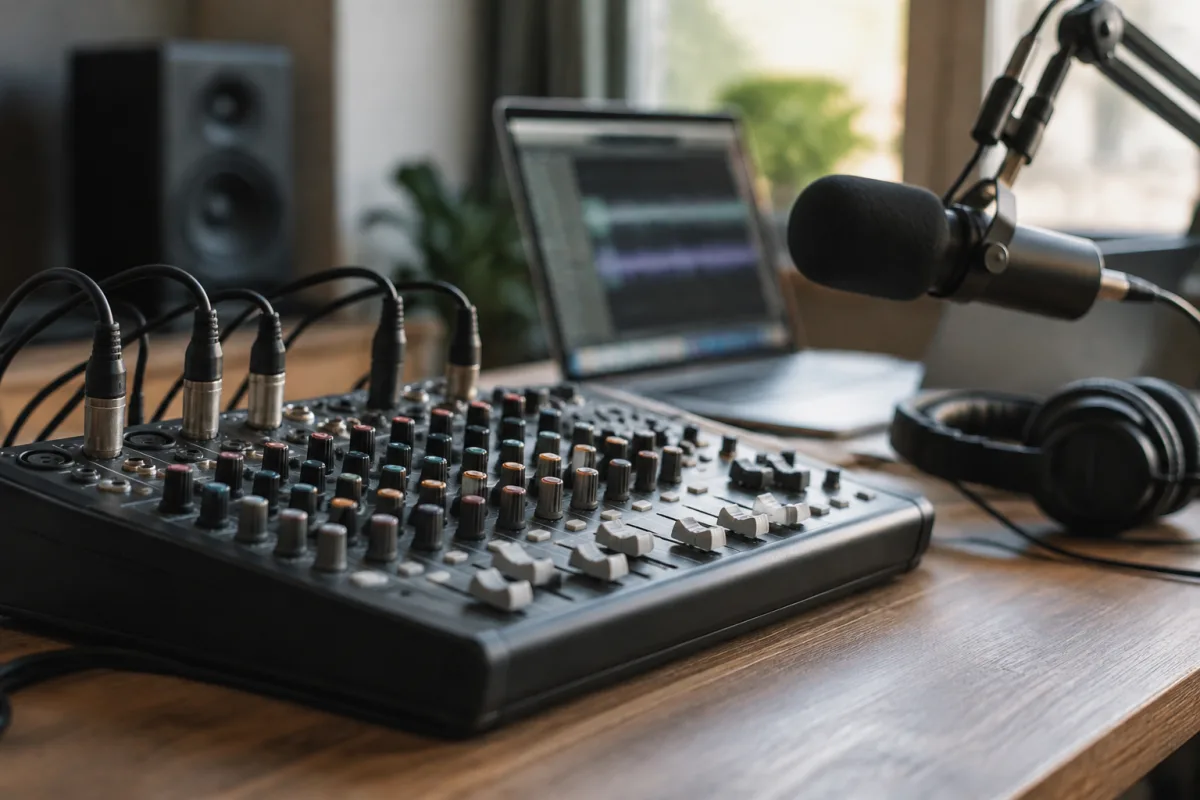
Selecting a podcast mixer can feel overwhelming with so many options on the market, but understanding your core requirements makes the decision straightforward. Whether you're just starting out or upgrading from basic equipment, knowing what to look for ensures you invest in a mixer that genuinely improves your production workflow.
Channel Count and I/O Requirements
The most important decision is how many channels you actually need. A podcast mixer's channel count directly affects your ability to handle multiple audio sources simultaneously. For a solo podcaster recording remote guests via Zoom, two to four XLR inputs suffice. However, if you're hosting multiple in-studio guests, incorporating background music, and managing sound effects, you'll want at least four to six dedicated XLR channels.
Beyond input count, examine the I/O specifications carefully. Look for at least one USB output for direct streaming to your computer, alongside balanced XLR outputs for monitoring. Some podcast mixers offer combination XLR/TRS inputs, which provide flexibility if you ever need to connect guitar cables or keyboard outputs alongside microphone signals.
Audio Quality and Pre-Amplifiers
Pre-amplifier quality directly impacts your podcast mixer's sound signature. Quality pre-amps ensure clean gain staging without introducing noise. When comparing podcast mixer models, check the noise floor specifications—anything under -128dB is excellent for podcasting purposes. Professional-grade pre-amps handle a wider input range, preventing distortion when recording loud sources like enthusiastic guests or live instruments.
The phantom power specification matters if you're using condenser microphones. Most podcast mixers provide 48V phantom power, but confirm the available current. Higher current capacity (above 10mA per channel) gives you flexibility to use power-hungry condenser models in future upgrades.
Built-in Effects and Processing
Many podcast mixers include onboard compression, EQ, and reverb effects. While these sound professional, understand that cheaper implementations can colour your audio unpleasantly. Test the compressor settings carefully—podcast audio benefits from gentle compression to maintain consistent levels, not aggressive squashing. A parametric three-band EQ allows precision corrections; fixed EQ settings are less flexible when dealing with room noise or microphone imbalances.
Effects-wise, reverb can add character but easily sounds cheap in podcasting contexts. Consider whether you genuinely need onboard reverb or whether you'd prefer simpler, higher-fidelity processing. Some podcast mixers skimp on effects quality to keep costs down, which is actually preferable if you plan to add professional software processing later.
Monitoring Capabilities
Professional monitoring is crucial during live podcasts. Look for a podcast mixer offering separate monitor outputs and detailed headphone controls. The ability to create custom monitor mixes—where you hear different levels of your voice, guests, and music—prevents feedback loops and improves on-air confidence. The headphone amplifier should produce adequate volume (above 100mW at typical impedance) without distortion, even at high levels.
Direct monitor routing, sometimes called "zero-latency monitoring," lets you hear yourself without computer delay. This feature is valuable for maintaining natural speaking rhythm during long-form conversations. Some budget podcast mixers lack this capability, forcing you to monitor through your computer with noticeable latency.
Software Integration and USB Connection
Modern podcast mixers handle USB audio routing, but implementation quality varies. Some offer multi-track USB recording, allowing each channel to record as a separate track in your DAW. This gives immense flexibility during post-production for precise mix adjustments. Others provide only stereo USB output, meaning everything records as a single stereo file.
Driver stability matters significantly for podcast production. Research user forums for stability reports with different operating systems. Some podcast mixer manufacturers prioritise Windows driver support while neglecting macOS compatibility. If your podcast workflow centres on a specific platform, verify driver maturity before purchasing.
Build Quality and Durability Considerations
Physical construction directly affects your podcast mixer's lifespan in studio environments. Quality metal frames withstand daily handling better than plastic chassis. Examine the faders closely—they should feel smooth and responsive with positive clicking points. Faders on cheaper podcast mixer models wear out quickly with constant use.
Connection point durability is often overlooked. Premium podcast mixers feature gold-plated XLR connectors resisting oxidation and corrosion over years of use. Standard plating corrodes faster, potentially introducing noise into your signal chain. Power supply design also matters; switching power supplies can introduce subtle noise into audio signals, whilst transformer-based supplies often offer superior noise rejection.
Price Tiers and Value Positioning
Entry-level podcast mixers (£150-400) typically offer four to eight channels with basic compression and EQ, sufficient for beginning podcasters. These models handle fundamental requirements but often compromise on pre-amp quality or monitoring features. They're appropriate if you're testing whether podcasting suits your schedule.
Mid-range podcast mixer options (£400-1000) deliver professional features including quality pre-amps, advanced routing, and solid build construction. This tier represents excellent value for serious independent podcasters. Most professional independent podcasts use equipment at this price point.
Premium podcast mixers (£1000+) target broadcast and live event professionals. These units include studio-grade pre-amps, extensive effects processing, redundant power supplies, and exceptional build quality. Unless you're operating a commercial podcast production facility, premium features are likely unnecessary.
Common Purchasing Mistakes to Avoid
Many new podcasters overestimate their channel requirements, purchasing larger podcast mixers than needed. This wastes money and clutters your workspace. Start with your actual current needs, remembering you can add external interfaces later for expansion.
Don't prioritise effects count over pre-amplifier quality. A podcast mixer with poor pre-amps and countless effects produces worse audio than a simple device with excellent gain staging. Professional podcast engineers often disable built-in effects entirely, relying on software processing instead.
Overlooking driver stability and USB implementation frequently causes regret. Spending extra on reliable USB audio isn't luxury—it's essential infrastructure for your podcast workflow. Unreliable drivers cost hours in troubleshooting during production sessions.
Finding Your Ideal Podcast Mixer
Your decision ultimately depends on your specific podcast format, guest count, and workflow preferences. Start by honestly assessing your current requirements, not imagined future needs. Read user reviews specifically from podcasters operating in similar contexts—radio broadcasters and live musicians often prioritise different features than podcast producers.
If you're unsure about your exact needs, our complete guide to podcast mixing boards explores the broader context around podcast mixer selection and audio fundamentals. Armed with this buying knowledge, you'll choose a podcast mixer that genuinely enhances your production capabilities for years to come.


Comments