


JBL PA System Speakers Buying guide
Jbl Pa System Speakers: A Complete Buyer's Guide
Choosing the right JBL PA speakers requires understanding wattage, frequency response, and venue requirements. This guide covers model tiers, practical considerations, and common mistakes.
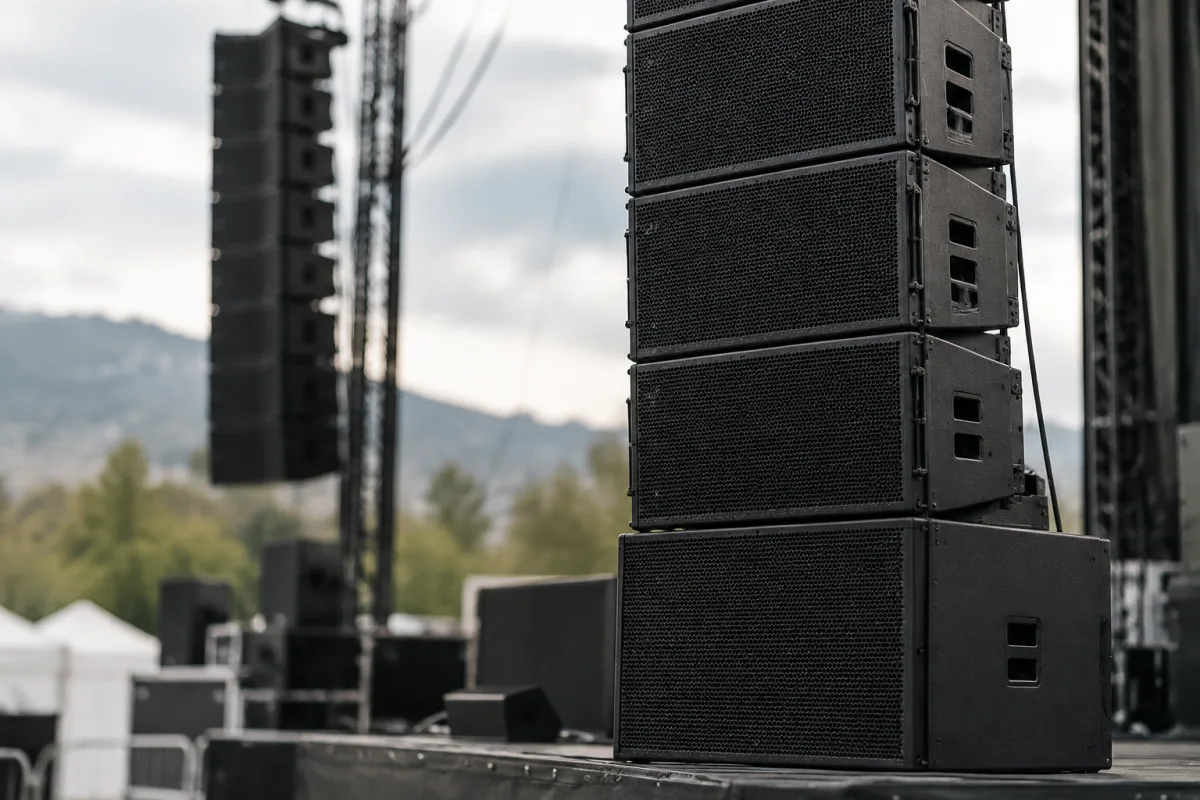
Investing in JBL PA system speakers means purchasing professional-grade equipment for venues, events, and live performances. The difference between selecting speakers that deliver clear, punchy audio and those that disappoint audiences comes down to understanding wattage specifications, frequency response characteristics, and practical venue requirements. This buying guide walks you through exactly what matters when choosing JBL PA speakers, common mistakes that waste money, and how to evaluate different models intelligently for your specific application.
Understanding PA Speaker Categories
JBL manufactures several PA speaker families suited to different applications. Active (powered) speakers include amplification built-in, simplifying setup for smaller venues and portable applications. Passive speakers require external amplifiers but offer flexibility and often better value for larger permanent installations. Understanding this distinction determines both purchasing costs and operational complexity.
JBL's professional lines target different market segments. The SRX series addresses touring and permanent installations requiring bulletproof reliability. The EON series serves musicians and smaller venues needing all-in-one solutions. The VRX series emphasizes compact, scalable designs for mobile applications. Selecting the appropriate product family prevents over-investing in features you don't need or under-investing in capability needed for your venue.
Wattage and Output Power: Practical Considerations
Wattage ratings don't directly correlate to loudness in intuitive ways—doubling wattage increases perceived volume by only three decibels, barely noticeable to human ears. A 1000-watt speaker isn't twice as loud as a 500-watt speaker; it's marginally louder. Understanding this reality prevents over-purchasing power when modest capability actually suffices.
Practical venue sizing requires honest assessment of space and audience size. Small clubs and intimate venues (capacity 100–200) require 500–1000 watts of total system power. Medium venues (200–500 capacity) need 1500–3000 watts. Large venues (500+ capacity) demand 5000+ watts. Underestimating power requirements leaves you struggling to achieve adequate sound pressure levels; over-estimating wastes money unnecessarily.
Frequency Response and Coverage Patterns
Professional PA speakers specify frequency response ranges describing which frequencies they reproduce effectively. Most speakers handle midrange and high-frequency content well; bass reproduction distinguishes premium systems from budget alternatives. A speaker rated 40Hz–20kHz reproduces deeper bass than one rated 60Hz–20kHz, mattering significantly for venues hosting music spanning diverse genres.
Coverage pattern matters tremendously in real venues. A speaker with 90-degree horizontal coverage suits rectangular rooms; 120-degree patterns work better in wider spaces. Installing speakers with inappropriate coverage patterns creates dead zones where audiences hear nothing or zones with overwhelming loudness. JBL publishes detailed coverage diagrams—study them carefully for your specific venue layout.
Cabinet Construction and Durability
Professional PA speakers use plywood cabinet construction with carefully braced internal architecture. Cabinet resonance, if uncontrolled, colours tonal balance and muddies clarity. JBL uses internal bracing patterns optimizing stiffness whilst managing weight—a balance that budget speakers often neglect.
Touring-grade speakers like the SRX series feature reinforced cabinets rated for road use, with protective handles and corner protection. Venue-installed speakers rarely endure transport stress but benefit from construction quality that prevents cabinet panel vibration from interfering with sound quality. Examine cabinet materials directly—proper bracing feels rigid when tapped; poorly braced cabinets vibrate audibly.
Connectors and Integration Points
PA speakers vary significantly in connection options. Passive speakers accept amplifier outputs via XLR or speaker cable connectors. Active speakers include XLR inputs for microphone preamps and various output options for daisy-chaining additional speakers. Verify that your chosen models integrate seamlessly with existing equipment—mismatched connectors require adapters introducing potential signal quality issues.
Newer JBL PA systems include networked audio features allowing digital control and audio distribution. Systems like JBL LSR or ControlCenter functionality require network infrastructure planning. Simpler analogue systems suit venues with basic requirements; complex networked systems justify their cost primarily in large, multi-zone installations.
Model Selection and Performance Characteristics
JBL's EON One system provides single-unit solutions for small venues and portable applications, combining active amplification, wireless microphone receivers, and mixing capabilities. Priced £1,500–£3,000 per unit, these systems excel for musicians performing solo or small groups. They're complete systems requiring no additional equipment beyond microphones.
SRX speaker systems (passive or active variants) serve permanent installations and touring applications. Individual speaker costs range £1,500–£4,000 depending on size and configuration. These systems require external amplification and mixing infrastructure, increasing overall investment but providing unmatched flexibility and upgrade paths.
VRX series speakers emphasize portability and self-contained functionality. Priced £800–£2,000 per unit, these speakers balance performance and affordability, suiting mid-tier venues and event companies. They're genuinely professional-grade despite lower pricing than SRX equivalents.
Amplifier Matching for Passive Systems
Purchasing passive speakers requires calculating appropriate amplifier power. The rule of thumb: amplifier wattage should match speaker ratings at minimum, ideally exceeding them by 20–30% to ensure clean headroom preventing distortion. A speaker rated 1000 watts benefits from an amplifier rated 1200–1300 watts minimum.
Undersized amplifiers (less than speaker rated power) often damage speakers by clipping and distorting. Speakers receiving clipped signals overheat and fail prematurely. Oversized amplifiers (substantially exceeding speaker ratings) rarely damage properly designed speakers unless driven recklessly, instead providing clean power margins ensuring pristine sound quality. When purchasing passive systems, budget appropriately for matching amplifiers.
Common Purchasing Mistakes
Many buyers focus excessively on wattage whilst ignoring frequency response and cabinet construction quality. A 2000-watt budget PA speaker with poor bass response disappoints compared to a 1000-watt quality system with extended low-frequency reproduction. Performance comes from more than just raw power.
Another frequent error: underestimating venue requirements and purchasing inadequate systems that never sound satisfying. This false economy wastes money—you invest in undersized systems, then upgrade within a year after realising their inadequacy. Honest venue assessment prevents this costly cycle.
Mismatching active and passive components creates incompatibility headaches. Some active speakers can't daisy-chain with passive models; connecting incompatible systems introduces noise or signal loss. Study connector types and integration capabilities before purchasing—don't assume compatibility without explicit verification.
Scalability and Future Growth Considerations
Venue needs evolve—today's intimate 100-capacity room might require expansion to 300 capacity next year. Selecting systems with clear upgrade paths prevents obsolescence. JBL's modular approach lets you add speakers, upgrade amplification, or expand coverage patterns without replacing existing equipment. This scalability justifies initial investment in professional-grade systems.
Budget systems often represent dead-ends—you can't meaningfully upgrade without replacing everything. Professional systems let you start modestly and expand confidently. This long-term perspective influences purchasing decisions for any venue anticipating growth.
Price Tiers and Real-World Value
Consumer-grade PA systems (£300–£800) include budget brands unsuitable for professional applications. They're adequate for small house parties but lack durability for regular venues or touring. Avoid this tier if you're building systems you'll rely on repeatedly.
Entry-professional systems (£1,000–£2,500 per speaker) like JBL EON or VRX lines offer genuine professional capability at accessible pricing. They're appropriate for small-to-medium venues and mobile applications, delivering reliable performance and upgrade potential.
Premium professional systems (£3,000–£5,000+ per speaker) like JBL SRX address large venues, touring, and permanent installations. Premium pricing reflects construction quality, performance capabilities, and reliability expectations. These systems serve venues and touring companies professionally, justifying their cost through years of dependable service.
Where to Purchase and Support Considerations
Authorised JBL dealers offer warranty support, technical expertise, and often in-house demonstration capabilities. Expect to pay list pricing but gain professional guidance ensuring you select appropriate systems. Many dealers offer trial periods or rental options—leverage these to evaluate systems before committing to purchase.
Grey-market suppliers offer discounts but lack official warranty support and technical resources. For systems you'll rely on professionally, authorised purchase protects your investment. The modest price premium buys peace of mind and access to expert support invaluable when systems malfunction during events.
Making Your Final Selection
Calculate your venue's acoustic requirements honestly. Measure room dimensions, estimate maximum audience size, and identify frequency content you'll reproduce (speech-only versus music-heavy). Visit our complete guide to JBL PA system speakers for detailed technical specifications and model comparisons.
Audition systems in environments similar to your venue before purchasing. Showroom demonstrations can mislead because acoustic conditions rarely match real venues. If auditioning isn't feasible, purchase from retailers with liberal return policies letting you evaluate systems in actual conditions.
A properly selected JBL PA speaker system delivers clear, powerful audio that audiences enjoy and performers appreciate. Purchasing thoughtfully—considering venue size, frequency requirements, cabinet construction, and upgrade paths—ensures your investment serves your venue reliably for years, building reputation as a professional-grade operation.


Comments