


Qsc Power Amplifiers Buying guide
Qsc Power Amplifiers: A Complete Buyer's Guide
Complete QSC power amplifier buying guide: wattage selection, class comparisons, value assessment and common purchasing mistakes.
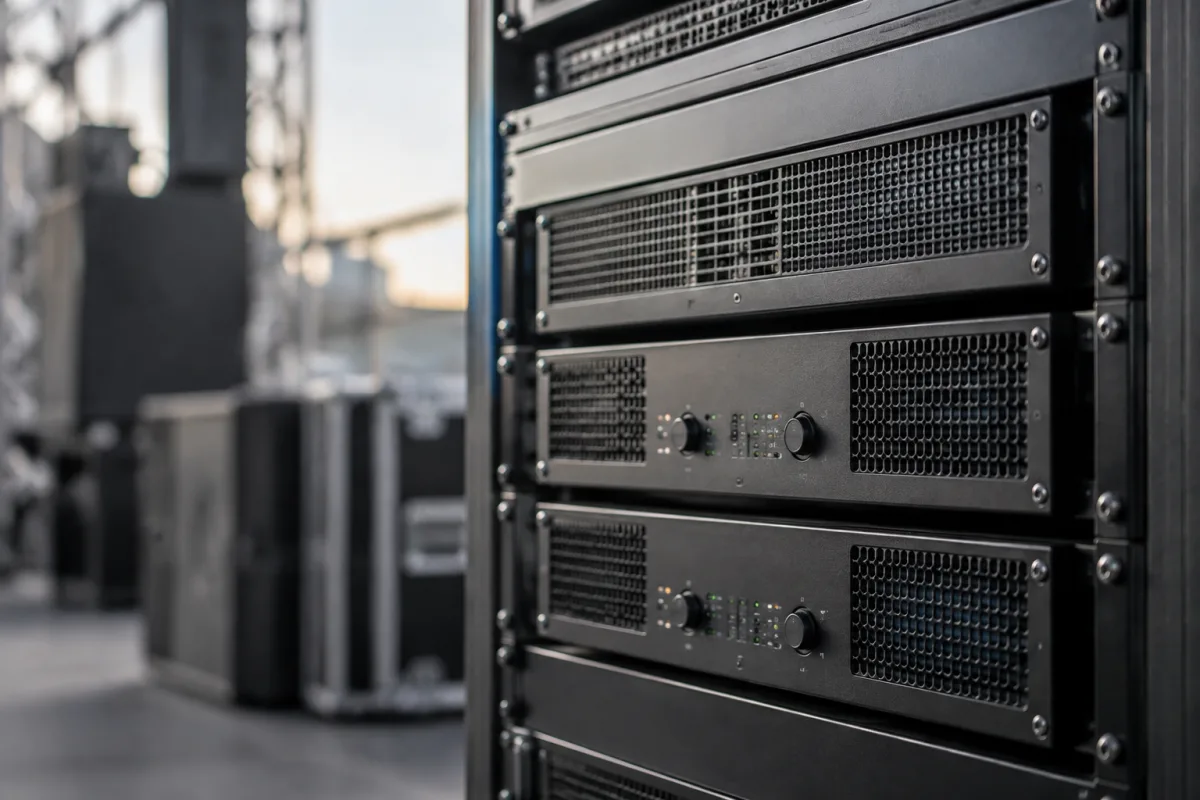
QSC power amplifiers are workhorses in professional audio—used in studios, live venues and installed systems worldwide. If you're buying a power amp, QSC amplifiers should be on your shortlist. This guide walks you through selecting the right QSC amplifier for your needs, understanding what you're actually paying for, and spotting value in a crowded market.
Understanding QSC Power Amplifiers: Wattage and Classes
QSC power amplifiers come in different wattage ratings and operational classes. Understanding these matters because they directly affect price and performance.
Wattage output: Rated in watts per channel at 4 ohms or 8 ohms. A QSC amplifier rated at 500 watts per channel at 4 ohms delivers that power when speakers present 4-ohm impedance. At 8 ohms, the same QSC amplifier produces less. Check specifications carefully—they matter for real-world usage.
Class A/B (traditional): Most QSC power amplifiers use Class A/B topology. Reliable, efficient, proven. These are the standard choice for gigging and installed systems.
Class D (digital): Modern QSC amplifiers often use Class D topology for efficiency and compactness. Lighter, generate less heat, consume less power. Class D QSC amplifiers are increasingly common and excellent quality.
For most buyers, the distinction doesn't matter much. Both Class A/B and Class D QSC power amplifiers perform excellently. Class D QSC amplifiers cost slightly more but save energy and space.
QSC Power Amplifiers: Pricing Tiers and Models
QSC power amplifiers range from £400 to £2500+ depending on power output and features. Here's the typical market breakdown:
Entry-level QSC amplifiers (£400–£800): 250–500 watts per channel, Class A/B, basic connectivity. Models like the QSC CX series. These QSC amplifiers are reliable for small venues, studios and installed systems. Excellent value.
Mid-range QSC amplifiers (£900–£1600): 500–1200 watts per channel, Class A/B or D, professional features. Models like the QSC PowerLight series. Trusted in professional touring and permanent installations. Worth the investment for gigging.
Premium QSC amplifiers (£1700–£2500): 1200+ watts per channel, Class D, networked features. QSC amplifiers at this level include digital signal processing and software control. These are for large systems and serious sound engineers.
Used QSC power amplifiers typically cost 40–60% of new price, depending on age and condition. QSC amplifiers hold value well because they're reliable and durable.
Choosing the Right Wattage for Your QSC Power Amplifier
Overcomplicate wattage choice and you'll overspend. Here's the practical approach:
Studio recording: A QSC power amplifier rated at 250 watts per channel is overkill for most home recording. Use powered studio monitors instead. If you need a separate QSC amplifier for reference speakers, 250–500W is plenty.
Small venue gigging (under 200 capacity): 500–750 watts per channel QSC amplifier is sufficient, especially if paired with efficient speakers.
Medium venue (200–500 capacity): 1000–1500 watts per channel QSC amplifier, depending on speaker efficiency. Pair with a digital mixer and crossover for best results.
Large installed system: Size to the venue. A QSC amplifier should have 15–20% headroom above your average operating level. This means calculating total speaker wattage requirement, then choosing a QSC amplifier with reserve power.
Underpower and audio quality suffers—the amplifier will distort trying to reach required volume. Overpower and you're wasting money. A QSC amplifier sized correctly hits the sweet spot between cost and performance.
Key Specifications When Buying a QSC Power Amplifier
Look beyond wattage. These specs matter:
Frequency response: QSC power amplifiers should handle 20 Hz to 20 kHz cleanly. Most do. Anything outside this range is academic for audio.
THD (Total Harmonic Distortion): Lower is better. Under 0.1% THD from a QSC amplifier is excellent and inaudible. 0.1–0.5% is good. Above 1% and you're looking at budget gear.
Cooling: A QSC amplifier that runs hot needs more ventilation. Check fan noise—some QSC power amplifiers are loud. If installed in a control room, fan noise matters.
Connectivity: Balanced XLR inputs (preferred), RCA inputs (acceptable), speaker connections. Check the QSC amplifier has what you need before buying.
Protection features: Good QSC power amplifiers include thermal protection, short-circuit protection and DC offset detection. These protect both the amp and your speakers.
Buying New vs Used QSC Power Amplifiers
New QSC power amplifiers come with warranty (usually 3–5 years) and guaranteed condition. Peace of mind has value if you're paying full price.
Used QSC power amplifiers are excellent deals. QSC gear is built to last. A used QSC amplifier from 2015 often outperforms a new budget competitor. If buying used, inspect for:
- Physical damage to the chassis or cooling fins
- Clean fan operation (listen for grinding or squealing)
- All input/output connectors functioning
- Clean interior (no dust buildup affecting cooling)
- Proper grounding (no hum when connected to a mixer)
QSC Power Amplifier Features to Avoid Overpaying For
Networked control: Some QSC amplifiers include AES3 networking or Dante connectivity. This is useful for large installed systems but unnecessary for gigging. Don't pay extra for networking you won't use.
Variable frequency fans: Nice to have but not essential. Standard fans are fine.
Redundant power supplies: For mission-critical installations only. Adds significant cost. Skip it for gigs or studio use.
Rack-mount hardware: Check what the QSC amplifier includes. Rack ears should be standard, but verify before buying.
Common Purchasing Mistakes with QSC Power Amplifiers
Confusing QSC amplifiers with powered speakers. A QSC power amplifier is separate equipment—you need passive speakers to connect it to. Powered speakers have the amp built in. Decide which you need before shopping.
Buying a QSC amplifier without checking impedance compatibility. Your speakers have an impedance rating (typically 4 or 8 ohms). Your QSC amplifier must handle that impedance. Check the QSC spec sheet.
Buying a QSC amplifier but forgetting cables. Good speaker cables cost £30–£100. Budget this in. The QSC amplifier alone is incomplete without proper connectivity.
Overestimating wattage need. Many buyers purchase a QSC amplifier rated at 1500W when 750W would suffice. This wastes money. Calculate actual requirement, then add 20% headroom.
Ignoring thermal design in installation. A QSC amplifier in a closed rack without ventilation will overheat and fail. Plan for cooling before installing.
QSC Power Amplifier Reliability and Support
QSC has excellent reputation for reliability. Failure rates are low, service is responsive and warranty support is genuinely helpful. When comparing QSC amplifiers to competitors, QSC's support and longevity are huge advantages.
Used QSC power amplifiers often still find manufacturer support even after 10+ years. This is unusual in pro audio and speaks to QSC's commitment to customers.
Frequently Asked Questions
Can I use a QSC power amplifier with passive speakers? Yes—this is the typical setup. Connect passive speakers to the QSC amplifier output. Do not connect powered speakers to a QSC amplifier output, or you'll blow amplifier.
How many watts do I actually need from a QSC power amplifier? Calculate speaker wattage requirement, add 20% headroom, buy a QSC amplifier that exceeds this. Overestimating costs money; underestimating limits volume and risks distortion.
Are QSC power amplifiers good for home studio use? They're better than necessary. Powered studio monitors are simpler and better value. Use a QSC amplifier only if you need separate monitoring with passive speakers.
What's the lifespan of a QSC power amplifier? 10–20+ years with normal use and proper maintenance. QSC amplifiers are over-built and extremely durable.
Do I need a subwoofer with a QSC power amplifier? Only if your passive speakers don't cover bass adequately. Most PA systems pair a QSC amplifier powering mid/high speakers with a separate subwoofer amplifier.
Can QSC power amplifiers be repaired if they fail? Yes. QSC maintains repair services in most countries. Factory repair typically costs £100–£400 depending on the issue.



Comments