


Yamaha Mixer article
Mixer Board Yamaha: A Complete Guide
Yamaha mixers are relied upon by sound engineers and venues worldwide for their solid build quality, intuitive interfaces and dependable performance. From compact portable units to large-format touring consoles, Yamaha offers mixing solutions for every application.
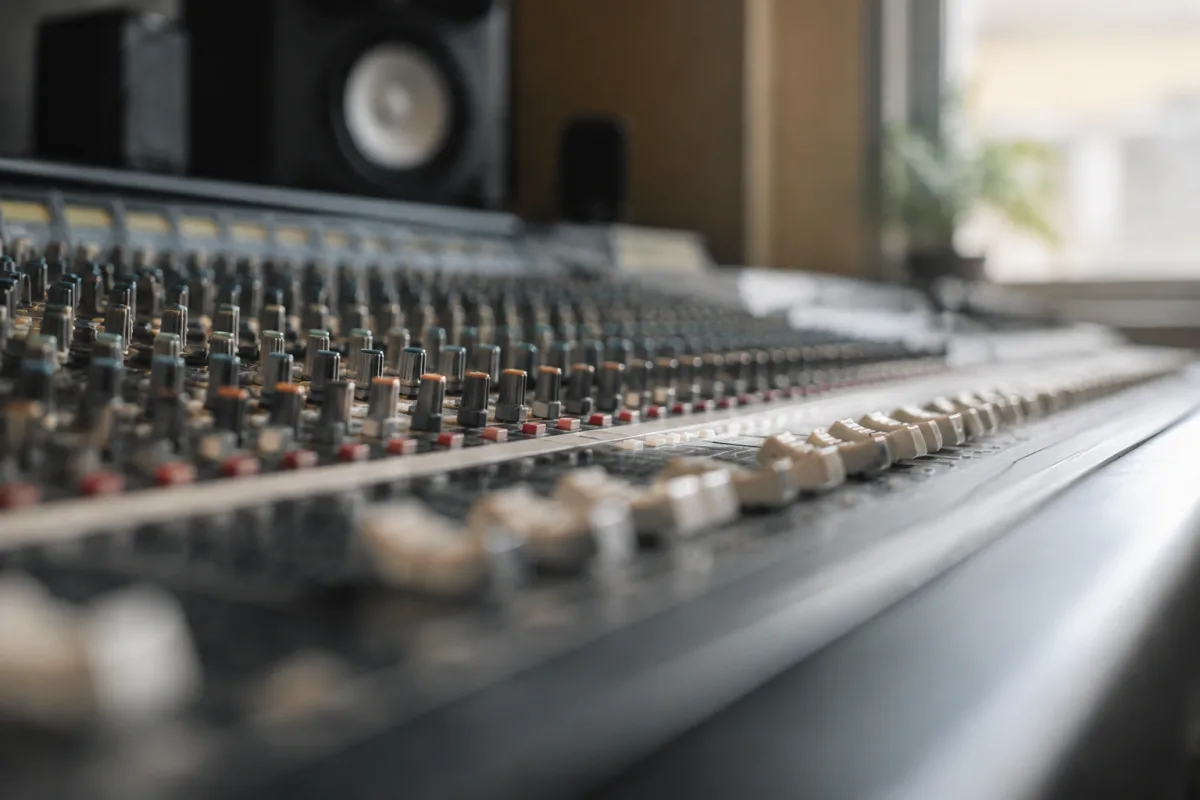
Yamaha mixers have become synonymous with professional live sound and recording for decades, earning their reputation through solid build quality, intuitive interfaces and dependable performance. Whether you're running a small pub venue, setting up a church sound system or recording a band in your bedroom, a Yamaha mixer offers the reliability and features you need without unnecessary complexity.
What Is a Yamaha Mixer?
A Yamaha mixer is an audio mixing console that combines multiple audio signals from microphones, instruments and playback devices into a single, balanced output. Yamaha, a Japanese manufacturer renowned for musical instruments and audio equipment, produces mixers ranging from compact portable units to large-format touring consoles. Their mixers feature quality preamps, flexible routing options and built-in effects that make them popular across live venues, studios and portable PA systems.
Types of Yamaha Mixers
Yamaha makes several distinct categories of mixing consoles, each designed for different applications:
- Compact Mixers — Small-format units like the MG series, ideal for rehearsals, podcasting or small venues. These typically have 4 to 12 channels and are lightweight enough to carry to gigs.
- Analogue Live Sound Mixers — Mid-range consoles such as the MG16XU or MG32XU, offering more channels, better preamps and onboard USB audio interface capabilities for live events and fixed installations.
- Digital Mixers — The QL and TF series are full-featured digital consoles used in professional touring and large installations, with touchscreen interfaces, extensive routing and wireless microphone integration.
- Powered Mixers — Units combining a mixer and amplifier in one chassis, such as the EMX series, perfect for small venues that don't have separate amplification.
- PM Series — Premium analogue consoles built for demanding live sound applications, offering exceptional audio quality and professional-grade components.
Why Venues Choose Yamaha Mixers
Yamaha mixers dominate live venues and studios for good reasons. Their preamps are known for transparency and low noise, which means your vocals and instruments sound clean and uncoloured. The company's long history means their designs are proven over time; a Yamaha console from ten years ago still performs as well as the day it shipped.
The user interfaces are logical and consistent across product lines. If a venue's monitor engineer trained on a Yamaha MG series mixer, stepping up to a PM series or digital TF console feels familiar. That consistency reduces setup time and the risk of user error during a performance.
Key Features to Look For
Most Yamaha mixers include several essential features, though the specific capabilities vary by model and price point:
| Feature | Why It Matters |
|---|---|
| XLR and Jack Inputs | Balances connectivity between microphones, instruments and line-level sources |
| EQ and Faders | Allows precise control of tone and volume for each channel |
| Phantom Power | Powers condenser microphones without a separate power supply |
| Built-in Effects (Reverb, Delay) | Adds depth and dimension to vocals and instruments |
| USB Audio Interface | Connects to a computer for recording or playback integration |
| Master Output and Monitor Sends | Enables main PA mix and separate monitor mixes for performers |
| Fader Start (DJ Models) | Triggers audio playback when a fader is moved up |
Choosing the Right Yamaha Mixer for Your Needs
The right choice depends on your venue size, number of inputs needed and feature set. A small café or coffee shop might work perfectly with a compact MG12XU, which has 12 channels and USB capability for occasional recordings. A small live venue or church would benefit from a 16 or 32-channel analogue mixer like the MG series, offering flexibility without the price tag of a digital console.
For larger touring productions, festivals and permanent installations in venues seating hundreds, the digital TF or QL series justifies its investment through remote mixing capability, touch control, wireless integration and show recall — the ability to save and restore a complete mix setup instantly.
Reliability and Maintenance
A Yamaha mixer's durability comes from quality component selection and conservative circuit design. The faders are rated for hundreds of thousands of actuations, and the internal circuitry uses conservative tolerances that improve longevity in demanding environments. To keep a Yamaha mixer in top condition, protect it from extreme temperature swings and moisture, keep dust covers on when not in use and have fans check the internal cooling vents annually on larger models.
Value Proposition
Yamaha mixers sit comfortably in the mid-to-professional price range. They cost more than entry-level budget brands but less than top-tier boutique consoles. That positioning means you're getting proven reliability and a feature set that grows with your needs, without paying premium prices for features you'll never use. The active secondary market for used Yamaha equipment means they hold value well, making them a sensible investment.
Conclusion
A Yamaha mixer remains an excellent choice for anyone serious about live sound or recording. The brand's decades of experience, consistent interface design and focus on audio quality make Yamaha mixing consoles reliable partners for everything from small rehearsal spaces to large professional installations. Whether you're just starting out or running a busy venue, there's a Yamaha mixer suited to your needs and budget.



Comments