
Yamaha Audio Console article
The Complete Guide to Yamaha Audio Console
Yamaha audio consoles have earned trust from small venue operators to touring professionals, delivering reliable signal flow with intuitive control that makes soundchecks efficient and live performance manageable.
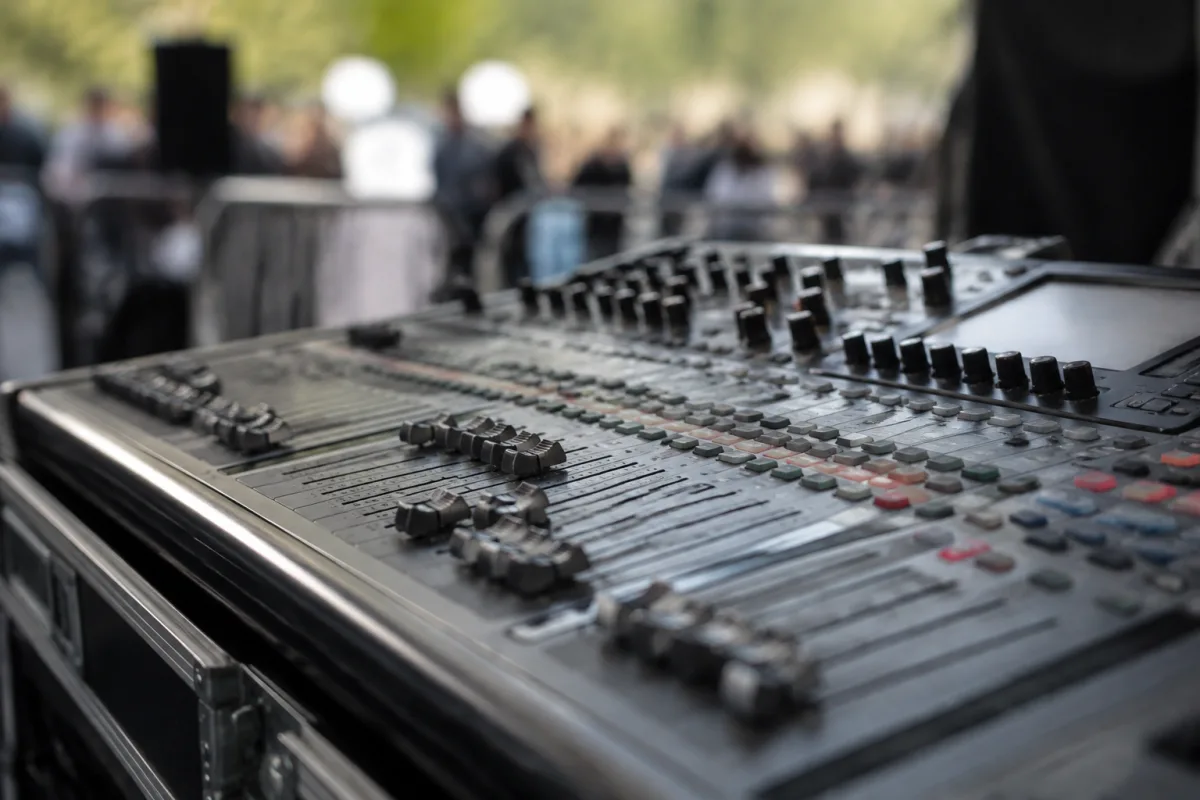
Yamaha audio consoles have defined the live sound mixing landscape for decades, earning trust from small venue operators to touring professionals. These mixing desks deliver straightforward, reliable signal flow with intuitive control layouts that make soundchecks efficient and live performance manageable.
Yamaha's Place in Live Sound
Yamaha Corporation has manufactured professional audio equipment since the 1960s, building a reputation for quality, reliability, and sensible design. The company's audio consoles occupy a middle ground between entry-level church or small venue systems and elite touring rigs. This positioning has made Yamaha the default choice for many working sound engineers who value practical functionality over exotic features.
A Yamaha audio console typically serves venues ranging from intimate clubs and theatres through conference centres and mid-sized festivals. The reliability across thousands of installations speaks volumes—these mixers simply work, night after night, without demanding excessive attention or complicated troubleshooting.
Core Design Philosophy
Yamaha's design approach prioritises clarity, user efficiency, and robust construction. Every fader, button, and knob serves a genuine purpose. The company resists feature bloat—Yamaha consoles focus on excellent core mixing capability rather than trendy processing or unnecessarily complex signal routing. This philosophy appeals to experienced engineers who value control and transparency.
Build quality is exemplary. Audio consoles from Yamaha feature solid metal frames, quality potentiometers, reliable connectors, and faders built to withstand thousands of hours of touring use. The chassis design facilitates cooling and component replacement, extending operational lifespan.
Input and Output Architecture
Yamaha mixing consoles feature flexible input configurations. Microphone preamps offer adjustable gain, phantom power, and low-cut filtering as standard. Line inputs accommodate keyboards, playback systems, and other sources. Direct outputs from each channel allow subgroup monitoring and multitrack recording setups. Master buses typically include main stereo out, separate monitor sends, and auxiliary output pairs for effects or distributed monitoring.
The Yamaha audio console signal flow follows straightforward conventions—no confusing routing paradigms or hidden menu systems. Channel strips arrange themselves logically, making it intuitive to navigate during live performance when split-second decisions matter.
Popular Yamaha Console Models
The company's lineup spans multiple categories:
- MG Series: Compact, affordable mixers for small venues, studios, and portable setups. Ideal for starting sound professionals and fixed installations where space is limited.
- MGX Series: Adds additional features and channel counts. Suitable for medium-sized venues and touring acts requiring expanded capability.
- PM Series: Professional-grade consoles for touring and major installations. These represent Yamaha's top-tier offering, built to specification demands of major live events.
- TF Series: Digital consoles incorporating modern processing and wireless monitoring capabilities whilst maintaining Yamaha's operational philosophy.
Analogue versus Digital Options
Yamaha continues manufacturing analogue audio consoles for engineers preferring traditional signal flow. The analogue Yamaha experience emphasises straightforward mixing without on-screen menu navigation. For digital-focused users, Yamaha's TF-series consoles provide contemporary processing capabilities alongside the familiar operational ethos the brand represents.
Many venues maintain both analogue Yamaha mixing desks and digital systems, choosing based on specific event requirements. The cross-compatibility—analogue outputs functioning perfectly with digital inputs and vice versa—gives flexibility without forcing wholesale upgrades.
Built-In Effects and Processing
Most Yamaha audio consoles include on-board reverb, EQ, and compression. The processing focuses on practical, immediately useful tools rather than elaborate effects chains. The reverb algorithms are professional-quality; they sound natural without adding character that might contradict the mix aesthetics. Graphic and parametric EQ options give mixing engineers necessary spectral control at each channel and bus level.
Compressors on professional Yamaha models provide dynamic control for vocals, drums, and bass without requiring external gear. The built-in processing, combined with external effects units, creates complete mixing capability for most live sound scenarios.
Reliability and Longevity
Yamaha audio consoles are famous for longevity. Decade-old models continue serving venues reliably. This isn't accidental—Yamaha designs for repairability. Component availability remains strong, and the company maintains service documentation for older models. A properly-maintained Yamaha mixing console operates reliably through years of regular touring.
This durability has economic consequences. Used Yamaha audio consoles retain value effectively on the secondhand market. Investing in a Yamaha console is a pragmatic choice—you're buying into durability and resale value alongside current functionality.
Suitable Applications
Yamaha audio consoles excel in:
- Live Music: Rock, pop, folk, jazz performances requiring quick mixing decisions and reliable signal integrity.
- Theatre and Drama: Theatrical applications where speech intelligibility and responsive mixing are essential.
- Corporate Events: Conference presentations, keynotes, and presentations demanding straightforward mixing without elaborate effects.
- Broadcast and Recording: Studio mixing and location recording work where audio quality is paramount.
- Houses of Worship: Church and spiritual settings requiring reliable audio for congregational engagement.
- Portable Installations: Touring sound systems where durability and quick setup matter.
Comparison with Alternatives
Against competitors like Behringer or Allen & Heath, Yamaha audio consoles emphasise build quality and long-term reliability. Behringer systems offer lower entry prices but require more careful component selection. Allen & Heath consoles target touring professionals with advanced features; Yamaha appeals to this same market but with simpler operational paradigms.
The choice depends on budget and operational priorities. Yamaha represents solid middle ground—professional capability without paying premium touring-rig pricing, reliability without compromise.
Setup and Configuration
Setting up a Yamaha audio console is generally straightforward. Analogue models require only balanced cable connections. Digital models need network configuration and software setup but maintain logical menu structures. The company provides clear documentation and intuitive control layouts that allow competent engineers to configure systems without excessive learning curves.
Firmware updates for digital Yamaha models are managed simply through USB or network connections. The company supports legacy equipment, releasing updates that maintain compatibility whilst adding contemporary features.
Maintenance and Support
Yamaha provides comprehensive technical support for active models. Documentation is detailed and accessible. Service centres exist worldwide, ensuring engineers can find qualified support wherever their tour takes them. Spare parts availability is reliable—you won't find yourself hunting for obscure replacement faders or connectors.
Regular maintenance—cleaning, cable inspection, firmware updates—keeps Yamaha consoles performing optimally. The robust design means they forgive occasional neglect without suffering permanent damage.
Conclusion
Yamaha audio consoles represent a pragmatic professional choice for live sound mixing. Built on decades of manufacturing expertise, these mixing desks deliver reliable, transparent audio signal management for applications ranging from small venues to touring productions. If you value straightforward operation, professional audio quality, and equipment that simply works night after night, a Yamaha audio console deserves serious consideration. They're the workhorses of professional sound—unglamorous perhaps, but profoundly dependable.



Comments