
Mixer Digital Yamaha article
The Complete Guide to Mixer Digital Yamaha
Yamaha digital mixers deliver professional sound mixing across live, recording, and broadcast applications. Discover the series range, key features, and how to choose the right mixer.
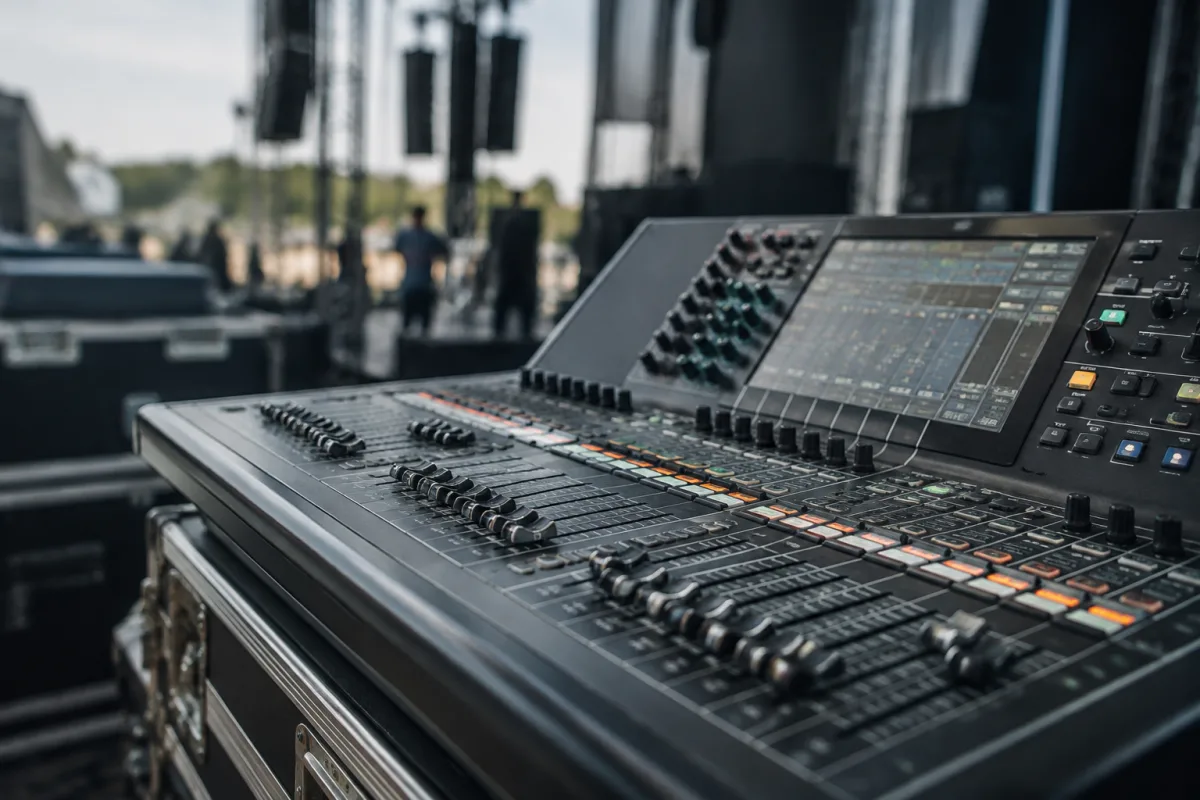
Yamaha digital mixers have established themselves as industry workhorses in live sound, broadcast, and recording applications worldwide. With over four decades of synthesiser and audio equipment heritage, Yamaha brings manufacturing excellence and sonic integrity to professional mixing consoles. Whether you're managing a live concert, recording podcast episodes, broadcasting a service, or mixing a complicated multi-track session, Yamaha's digital mixer range offers reliability, intuitive workflow, and professional-grade sound quality at realistic investment levels.
Yamaha's Position in Professional Mixing
Yamaha is among the world's most respected audio equipment manufacturers. The company's heritage spans synthesisers, acoustic pianos, wind instruments, and professional audio. This diverse expertise translates into digital mixers that balance deep technical capability with genuine usability. Unlike boutique manufacturers charging premium prices, Yamaha focuses on delivering professional functionality and proven reliability at prices accessible to working sound engineers and serious enthusiasts.
Yamaha digital mixers are found in concert venues, recording studios, broadcast facilities, and touring rigs worldwide. Professional sound engineers choose Yamaha for workflow familiarity, rock-solid stability, and confidence that the mixer will deliver flawlessly night after night, tour after tour.
Yamaha Digital Mixer Series
Yamaha organises its digital mixers into several distinct ranges, each targeting specific applications and budgets:
- O1V Series — Compact digital mixers designed for small venues, recording studios, and portable live sound applications. Reliable, affordable entry point into professional digital mixing.
- PM Series — Professional-grade live sound mixers used in concert venues and touring applications. Proven stability, comprehensive I/O, and sophisticated monitoring capabilities.
- CL Series — High-end flagship live sound consoles for major venues and touring. Advanced features, extensive I/O, and processing power for complicated mixing demands.
- QL Series — Compact high-function live mixers balancing capability with portability. Popular in medium venues and touring applications where space is limited.
- TF Series — Recently introduced flagship offering cutting-edge technology and comprehensive features. Designed for the most demanding live and studio applications.
Key Features of Yamaha Digital Mixers
Most Yamaha digital mixers share common strengths that distinguish them in the marketplace:
| Feature | Benefit |
|---|---|
| Intuitive Interface | Yamaha mixers prioritise usable control layouts. Faders, knobs, and buttons are logically organised, making complex mixing accessible. New users adapt quickly; experienced engineers feel at home immediately. |
| Onboard DSP Effects | Comprehensive effects libraries—reverbs, delays, dynamics, EQ—eliminate external gear requirements. Effects quality matches professional processors, available directly on the mixing surface. |
| Dante Networking | Professional models support Dante audio networking, allowing unlimited I/O expansion and remote monitoring. Critical for complex touring and broadcast applications. |
| Comprehensive I/O | Analogue XLR inputs/outputs, digital I/O options (optical, coaxial), USB connectivity. Flexible interfacing with any professional audio equipment. |
| Multi-Track Recording | Direct USB or Dante recording captures full mix or individual tracks for archiving, broadcast, or post-production refinement. |
| Motorised Faders | Sophisticated models include motorised faders, enabling snapshot recall and automated mixing throughout extended performances. |
Yamaha Digital Mixers for Live Sound
Live sound applications demand reliability above all. A mixer failure during a concert is unforgivable. Yamaha's reputation for stability makes them industry standard in touring and venues. The PM and CL series have proven themselves across thousands of tours and festivals. Their comprehensive I/O accommodates any band size or complexity; intuitive operation allows sound engineers to focus on mixing music rather than wrestling equipment; built-in effects eliminate requirements for outboard gear, reducing setup complexity and points of failure.
For medium-sized venues and touring bands, QL series mixers offer excellent balance: professional capability in a more compact, transportable format. Many touring sound engineers appreciate QL series mixers for their comprehensive features within practical dimensions for vehicle transport.
Yamaha Digital Mixers for Recording and Broadcast
Recording and broadcast applications benefit from Yamaha's focus on audio quality and comprehensive monitoring options. The ability to record full multi-track sessions directly to USB or over Dante networking is invaluable for archiving performances, capturing live broadcast feeds, or performing post-production work. Comprehensive I/O accommodates microphones, instruments, and playback sources simultaneously. Onboard EQ and dynamics processing allow subtle mixing refinement before recording or broadcast transmission.
Choosing Your Yamaha Digital Mixer
Start by identifying your primary application. Live sound venues benefit from PM or CL series stability and comprehensive I/O. Touring bands might prefer QL series portability. Recording and broadcast applications suit O1V, PM, or CL depending on channel count and I/O requirements. Consider channel count—how many simultaneous inputs do you genuinely need? Premium models with excess channels add expense without functional benefit for smaller applications.
Budget realistically. Entry-level compact digital mixers start around £2000–3000. Professional-grade PM and QL series cost £5000–15000. High-end CL and TF series exceed £20000. Excellent Yamaha digital mixers exist at every price point; match your budget to your actual mixing requirements rather than premium features you'll never use.
Workflow and Learning Curve
One of Yamaha digital mixers' greatest strengths is workflow intuitiveness. Even users new to digital mixing quickly grasp the operating logic. Fader conventions, channel organisation, and effect access follow familiar patterns. This accessibility makes Yamaha popular for training and developing new sound engineers—the learning curve is gentler than many competitors.
Support and Community
Yamaha's established position means abundant support resources—documentation, online tutorials, and active user communities. Service centres are widespread; authorised technicians understand Yamaha equipment intimately. This support ecosystem gives you confidence in long-term equipment reliability and availability of maintenance.
Conclusion
Yamaha digital mixers represent professional-grade sound mixing tools at realistic investment levels. Whether you're managing live venues, mixing recording sessions, broadcasting events, or touring with bands, Yamaha offers reliable, capable mixers that deliver professional results. The combination of proven reliability, intuitive workflow, comprehensive features, and authentic support makes Yamaha a natural choice for sound engineers committed to quality mixing. Invest in a Yamaha digital mixer, and you're investing in decades of audio expertise and commitment to professional audio excellence.



Comments