
Audio Console Mixer article
The Complete Guide to Audio Console Mixer
An audio console mixer is essential for managing multiple audio signals in live and studio settings. Discover how mixers work, their key features, and how to choose the right equipment for your needs.
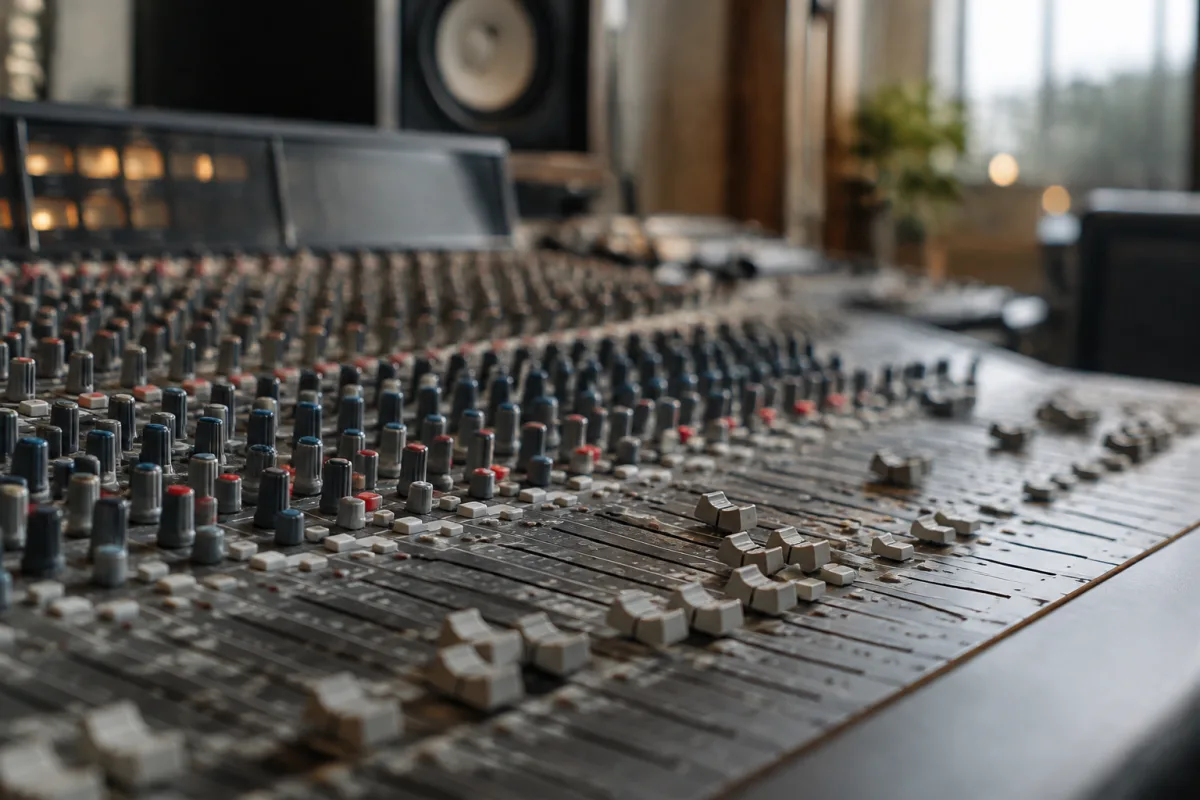
An audio console mixer serves as the command centre for modern sound production, managing countless audio signals and shaping the final mix that reaches audiences. Whether you're running live events, recording in a studio, or managing a small venue's sound system, understanding audio console mixer fundamentals transforms you from a button-pusher into a confident sound engineer. This comprehensive guide explores audio console mixer types, essential controls, and practical mixing techniques that elevate any production.
What Is an Audio Console Mixer?
An audio console mixer (or mixing console) is specialised equipment that accepts multiple audio signals from instruments, microphones, and playback devices, then routes, adjusts, and combines them into cohesive stereo output. An audio console mixer accomplishes this through channels—each input receives its own channel strip with volume faders, equalisers, and effects sends. The audio console mixer master section controls overall output level and provides the main stereo output that feeds amplifiers and speakers.
Think of an audio console mixer as a traffic controller directing musical information. Microphones on stage deliver signals simultaneously to their respective audio console mixer channels; the mixer then balances volume levels, shapes tone using equalisers, applies effects like reverb, and creates a cohesive stereo image through panning. Live sound engineers run audio console mixer equipment during performances, making real-time adjustments as singers move, bands dynamics shift, and audience noise fluctuates. Studio producers manipulate audio console mixer settings during recording and mixing, spending hours perfecting each element's balance and tone.
Types of Audio Console Mixers
| Audio Console Mixer Type | Channel Count | Use Case | Price Range |
|---|---|---|---|
| Compact Audio Console Mixer | 4–8 channels | Small venues, rehearsal spaces, podcasting | £100–£300 |
| Small Format Audio Console Mixer | 8–16 channels | Clubs, small studios, mobile sound | £300–£1,000 |
| Mid-Size Audio Console Mixer | 16–32 channels | Concert venues, broadcast, major studios | £1,000–£5,000 |
| Large Format Audio Console Mixer | 32–64+ channels | Major touring productions, flagship studios | £5,000–£30,000+ |
| Digital Audio Console Mixer | Variable | Modern productions combining flexibility with automation | £2,000–£20,000+ |
Essential Audio Console Mixer Controls
Each channel on an audio console mixer includes several critical controls. The gain control (input level) sets the signal strength entering the channel—critical for preventing clipping whilst maintaining headroom for mixing. The fader controls channel volume in the stereo mix. The equalisers (usually three-band or more on professional audio console mixer units) shape tone by boosting or cutting specific frequencies. The pan control positions the channel left or right in stereo space, creating width and separation.
The audio console mixer's auxiliary sends (or aux sends) route channel signals to external effects processors like reverb and delay units, or create monitor mixes for stage performers. The mute button silences a channel entirely—essential during live mixing when unwanted noise appears unexpectedly. Solo buttons isolate individual channels for listening and troubleshooting. An audio console mixer's master section controls overall output level, preventing amplifiers and speakers from receiving excessive signal that could cause distortion or equipment damage.
Digital vs. Analogue Audio Console Mixers
Traditional analogue audio console mixer equipment uses discrete circuits to process signals—every fader movement, every equalisers adjustment represents direct circuit manipulation. Analogue audio console mixer models maintain passionate devotees who appreciate the coloration, smooth response, and direct tactile control that physical hardware provides. Classic analogue audio console mixer designs remain sought-after for their sonic character.
Digital audio console mixer technology offers remarkable flexibility—storing multiple configurations, recalling settings instantly, automating complex mixing sequences, and processing signals with precision impossible for analogue circuits. Modern digital audio console mixer systems integrate with computers, accept digital audio interfaces, and provide vast processing power onboard. Many contemporary productions blend both: digital audio console mixer equipment for core mixing infrastructure with select analogue gear for specific sonic character and tactile control.
Using an Audio Console Mixer for Live Sound
Live sound mixing on an audio console mixer demands real-time decision-making and quick reflexes. As a performance unfolds, the live sound engineer continuously adjusts an audio console mixer's faders to maintain balanced mix—singers never dominate despite their moving microphones, drums punch through without overwhelming other instruments, bass sits solid without muddiness. An audio console mixer's gain structure (setting each channel's input gain correctly) prevents the live mixing engineer from fighting extreme fader positions that offer minimal control.
Building monitor mixes on an audio console mixer lets performers hear themselves onstage—each band member receives a custom mix tailored to their performance needs. The lead singer needs prominent vocals; the bassist needs tight drums to lock time; the keyboardist needs the main vocalist for cue positioning. An audio console mixer with auxiliary outputs enables creating these distinct monitor mixes simultaneously whilst the main mix remains unaffected, essential for performances where multiple musicians require different balance priorities.
Studio Recording with an Audio Console Mixer
Studio engineers use an audio console mixer during recording sessions to blend multiple microphone signals and instrument inputs onto tape. Recording-focused audio console mixer work emphasises capturing excellent balances and levels that translate well through mixing and mastering. Setting an audio console mixer correctly during recording prevents problems that become impossible to fix later—a muddy drum blend or inappropriate vocal level recorded at the wrong mix point ruins recordings retroactively.
During mixing (post-production), an audio console mixer becomes the main tool for sculpting the recorded performance into a polished product. Adjusting levels, applying equalisers, creating depth with effects, and building the stereo image all happen through audio console mixer manipulation. Studio engineers spend weeks perfecting an audio console mixer mix, comparing elements across different playback systems, making microscopic adjustments that collectively transform adequate recordings into professional-quality masters.
Choosing the Right Audio Console Mixer
Selecting an appropriate audio console mixer requires understanding your actual audio input needs—not the maximum possible channels, but what you'll realistically use simultaneously. Many engineers purchase over-featured audio console mixer units expecting future growth that never materializes, wasting budget on unused channels. Conversely, undersizing an audio console mixer creates frustrating limitations when expanding production scope.
Audio console mixer features also matter significantly. Built-in effects and equalisers reduce external equipment needs but may lack the character or quality of dedicated outboard gear. Backup input options, headphone monitoring, talkback functionality, and phantom power for condenser microphones become critical when audio console mixer inadequacies appear mid-performance. Quality construction, intuitive layout, and reliable faders separate professional audio console mixer units from budget equipment that frustrates users and fails unexpectedly.
Learning to Operate an Audio Console Mixer
Mastering an audio console mixer requires understanding signal flow—how audio travels from inputs through processing to outputs. Hands-on practice mixing small ensembles or productions in forgiving environments builds confidence before tackling high-pressure situations. Experienced engineers mentor newcomers through complex audio console mixer setups, teaching gain structure, mixing philosophy, and troubleshooting skills impossible to learn from manuals alone.
An audio console mixer represents the bridge between raw talent and polished productions. Whether managing live events or studio recording, skillful audio console mixer operation elevates performances and recordings from amateur to professional quality, making the mixer operator's work invisible to audiences who simply experience excellent sound.


Comments