
Yamaha Power Speaker article
The Complete Guide to Yamaha Power Speaker
Yamaha power speakers deliver professional audio reinforcement with integrated amplification. From portable models to installation-grade systems, these speakers power venues and events worldwide.
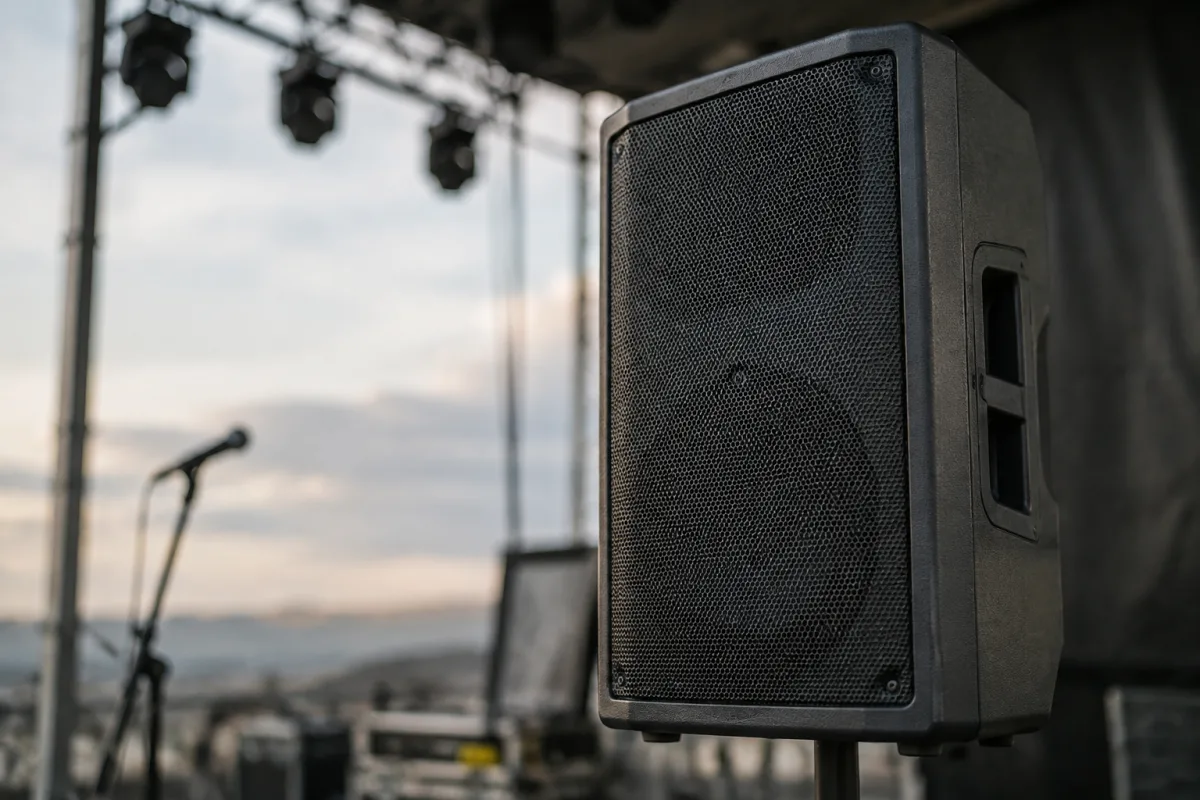
Yamaha power speakers deliver professional-grade audio reinforcement for venues, events, and installations worldwide. Combining integrated amplification with carefully engineered drivers, these self-powered systems eliminate the need for separate amplifiers whilst maintaining the reliability and sonic character Yamaha has cultivated across its audio division. Whether you operate a nightclub, manage a corporate event series, or lead a travelling performance, Yamaha speakers provide dependable reinforcement that performers and audiences alike depend upon.
Yamaha’s Audio Engineering Philosophy
Yamaha approaches professional audio with engineering precision refined through decades of musical instrument manufacture. The brand’s commitment to accurate frequency response, robust construction, and intuitive controls reflects this heritage. Their speaker designs prioritise intelligibility and clarity, ensuring that every detail—whether spoken word or musical performance—reaches listeners with intended impact.
This philosophy extends across their powered speaker range, from compact portable units to substantial installation systems. Each design demonstrates Yamaha’s conviction that professional audio needn’t be unnecessarily complex.
Portable Yamaha Power Speaker Models
Yamaha’s portable range includes several popular models suited to mobile operations and smaller venues:
- DBR Series – Compact, lightweight powered speakers designed for portability and simplicity. Popular with mobile DJs and small event operators.
- MG Series – Integrated mixer-amplifier-speaker units for ultra-compact operation without separate mixing hardware.
- Stagepas Systems – All-in-one portable PA solutions featuring wireless microphone receivers and mixing capabilities, designed for small to medium events.
- DXR Series – More substantial portable units offering greater power handling and refined processing for larger venues and touring applications.
Installation-Grade Systems
For permanent or semi-permanent installations, Yamaha manufactures larger powered systems engineered for venue-specific applications. These typically feature multiple driver configurations optimised for speech, music, or mixed content. Customisable DSP (digital signal processing) allows venue operators to tune systems to specific acoustic environments, compensating for room characteristics and coverage requirements.
Driver Configuration & Frequency Response
Yamaha power speakers employ various driver configurations depending on their intended application. Smaller portable units might use a single woofer with a tweeter; mid-sized models typically feature two-way or three-way designs with dedicated woofer, midrange, and tweeter drivers. Larger installation systems incorporate four-way or line-array configurations, offering precise control over frequency coverage and dispersion patterns.
Crossover networks—either passive or DSP-based—ensure smooth integration between drivers, maintaining consistent tonal character across the audio spectrum.
Built-In Processing & Control Options
Modern units include parametric equalisation, allowing venue operators to tailor frequency response to specific rooms. Many models feature dedicated wireless microphone receiver modules, eliminating the need for separate mixer-amplifier combinations. DSP processing in professional models enables preset configurations optimised for different content: speech-heavy events, music reinforcement, or mixed programming.
Input options typically include balanced XLR (microphone and line level), RCA connections for consumer devices, and increasingly, Bluetooth wireless audio streaming for convenient integration with smartphones and portable media players.
Power Output & Speaker Sizing
Wattage ratings span from 200 watts in compact portable models to 1500+ watts in substantial installation units. Perceived loudness increases logarithmically with power, so wattage selection depends on venue size and desired sound pressure level. Small cafes might be well-served by 300-watt systems; mid-sized venues typically require 600-1200 watts; large installations often demand 1500+ watts across multiple units.
Reliability in Demanding Environments
Yamaha power speakers are engineered for rigorous professional use. Enclosures utilise durable composite materials and reinforced corners, withstanding the bumps and stresses of mobile deployment. Internal amplifiers include comprehensive protection circuitry guarding against thermal shutdown, impedance mismatches, and DC faults. Connectors are stainless steel or otherwise corrosion-resistant, maintaining connectivity reliability through years of regular disconnection and reconnection.
This engineering approach means systems continue performing reliably whether operated daily in permanent venues or deployed irregularly across different locations.
Applications Across Venues & Events
Nightclub and bar operators rely on Yamaha systems for consistent nightly reinforcement of both music and announcements. Wedding and event planners appreciate their ease of setup and professional audio quality. Educational institutions deploy them for assemblies and performances. Recording studios use smaller models as monitor speakers or for playback reinforcement. The broad adoption across sectors reflects their effectiveness across diverse applications.
Choosing Your Yamaha Power Speaker System
Selection begins with honestly assessing your venue size and acoustic environment. Small spaces benefit from 300-600 watt systems; medium venues typically require 800-1500 watts; large installations often employ multiple units totalling 2000+ watts. Consider your primary content type—speech requires different frequency emphasis than music. Evaluate processing needs; modest venues might need only basic EQ, whilst larger installations benefit from detailed DSP customisation.
Whether you operate a small cafe or manage a substantial entertainment venue, Yamaha power speakers remain reliable, accessible tools that connect performers to audiences with clarity and dependability. Their blend of professional engineering, straightforward operation, and sonic character has established them as industry standards across the professional audio landscape.



Comments