


Turbosound article
Turbosound for Beginners: A Complete Guide
Stepping into live sound? Turbosound equipment is built for reliability and ease of use. This guide gives you everything a beginner needs to know—from your first speaker choice to common mistakes that derail newcomers.
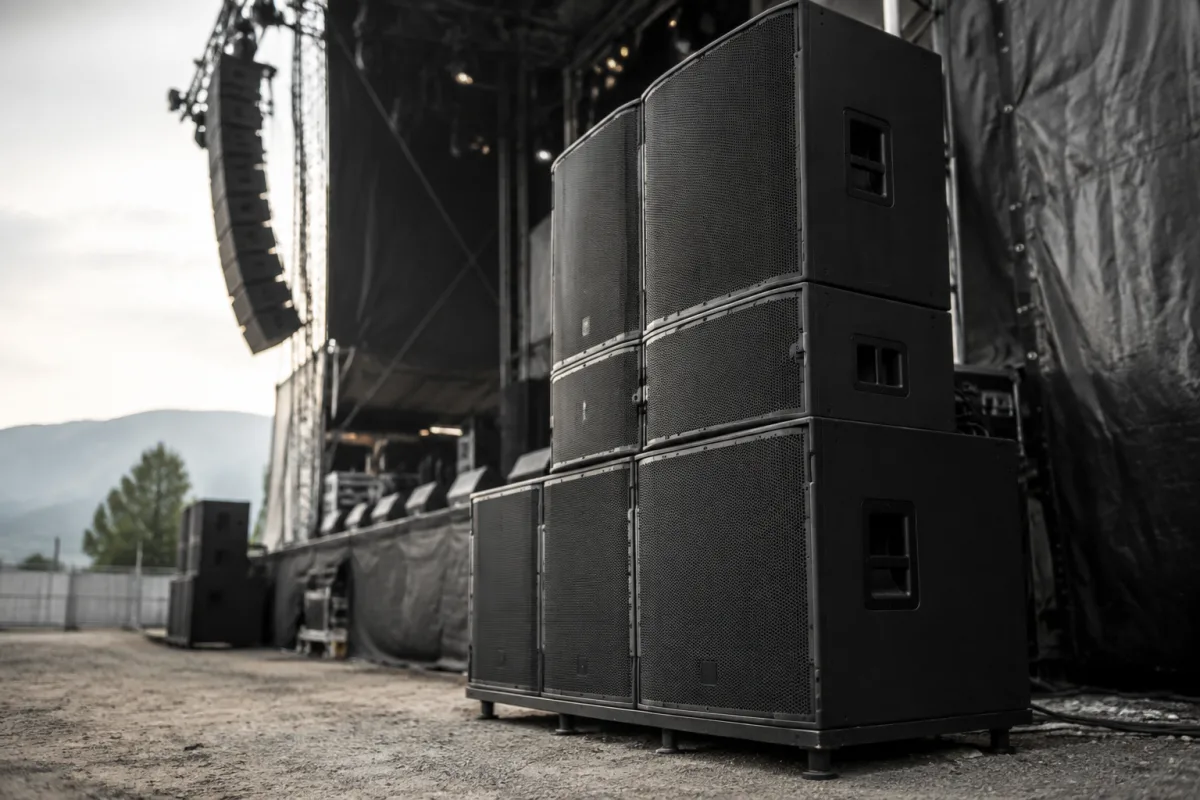
If you're stepping into live sound reinforcement for the first time, Turbosound might seem like an intimidating name—but it shouldn't. This guide strips away the jargon and gives you a gentle introduction to getting started with Turbosound equipment. Whether you're running a small venue, leading a worship band, or hosting events, understanding what Turbosound offers will help you make confident choices without the headache.
What Makes Turbosound a Good Starter Choice
Turbosound has built a reputation over decades for creating sound systems that professional touring companies actually use night after night. Here's why that matters to you: if something needs to survive a tour bus and a warehouse, it's been designed to be reliable. That reliability translates well for beginners—you get equipment that forgives mistakes and keeps delivering night after night.
The brand specialises in speaker systems, subwoofers, and control processors that work together seamlessly. Don't let "seamlessly" fool you—this is actually the biggest advantage for someone just starting out. Rather than hunting down random cables and adapters, Turbosound systems speak the same language from speaker to amplifier.
Your First Decision: What Kind of Sound Do You Need?
Before you buy, ask yourself honestly: are you amplifying a vocalist in a 50-person room or running a festival stage? Turbosound makes systems for both, but the starting point is completely different.
- Small venues and studios: Look at Turbosound's compact powered speakers. These have the amplifier built in—you literally run your microphone into it and you're done. No separate amp rack to learn, no guessing whether your amplifier is powerful enough.
- Mid-sized rooms (100–500 people): This is where Turbosound's modular approach shines. You might grab a pair of their portable column speakers or mid-range floor monitors, paired with a simple amplifier and mixing desk.
- Larger events: Turbosound's touring rigs are overkill for beginners, honestly. Start small and build upwards rather than buying a semi-truck's worth of gear immediately.
The Beginner Mistake: Buying Too Much Bass
Here's something every beginner discovers the hard way: adding a subwoofer makes things louder, but it doesn't necessarily make them sound better. Turbosound does make excellent subwoofers, and yes, you probably want one eventually. But wait. Get your main speakers sorted first, learn how to actually use them, and add a sub later when you know what you're listening for.
Too many newcomers connect a subwoofer without understanding how to tune it, and they end up with a setup that sounds boomy and unbalanced. Your ears can't tell it's wrong yet, but everyone in your audience will know something's off.
How to Start Small (Without Feeling Limited)
One of Turbosound's strengths is scalability. A powered speaker system for your first gig doesn't feel like "training wheels"—it's a professional-grade tool that touring sound engineers actually use. You can use two or four of the same speaker model and expand gradually.
Here's a realistic first setup:
- One or two Turbosound powered main speakers (choose based on your room size)
- A simple mixing desk (four to eight channels is plenty to start)
- A few decent microphones and cables
- A subwoofer—but honestly, wait on this one for your second gig
That's it. That setup will handle 90% of beginner applications, and you won't feel like you've bought professional-grade equipment you'll outgrow in three months.
The Advantage of Turbosound's Support Network
Here's something that matters more than you'd think: if something goes wrong, you can find help. Turbosound gear is used widely enough that YouTube tutorials exist, rental shops stock spare parts, and forum communities have seen your problem before. Starting with an obscure off-brand means being on your own when things get tricky.
This is a genuine beginner advantage. When you're not sure whether the speaker is broken or you've just plugged the XLR in wrong, having someone to ask matters enormously.
What Not to Worry About Yet
You'll read about phase alignment, frequency response, and directional coverage patterns. Ignore all of that for now. Honestly. These topics matter when you're balancing two sub-woofers or tuning a permanently installed system, not when you're running your first event. Learn to turn things on without blowing them up first. Worry about the nuances later.
The Common First Mistake: Neglecting the Mixer
People often fret endlessly about speakers but cheap out on the mixing desk. This is backwards. Your mixer is where the sound actually gets shaped. A bad mixer makes even great speakers sound amateur. Turbosound speakers only deliver what the mixer sends to them.
You don't need an expensive desk—something from Behringer or similar in the £200–400 range will do fine. But don't skip it or get something obviously broken. A competent mixer makes learning infinitely easier.
Planning Beyond Your First Gig
Once you've used Turbosound equipment once or twice, you'll understand why professionals choose it. The learning curve is gentle, the reliability is exceptional, and the upgrade path is clear. Maybe you'll add a subwoofer next, or grab a wireless microphone system, or invest in a better mixing desk.
For a deeper dive into Turbosound's range and capabilities, read the complete guide to Turbosound, which covers the full product ecosystem and technical details.
Your Next Step
Don't overthink this. Rent or borrow Turbosound equipment for your first event if you can. Use it, listen to what it does, and ask yourself: would I buy this again? If the answer is yes, you know what to do. If you're not sure, try something else. The beauty of Turbosound is that once you know it works for your needs, you'll understand why thousands of venues, bands, and production companies have already made that choice.
Audio shouldn't be intimidating. Turbosound equipment is designed to be straightforward—so take a breath, start simple, and build from there.


Comments