


L1 Compact System article
L1 Compact System for Beginners: A Complete Guide
Intimidated by portable PA systems? Our beginner's guide makes the L1 Compact system simple. Learn setup, basic operation, and your first performance.
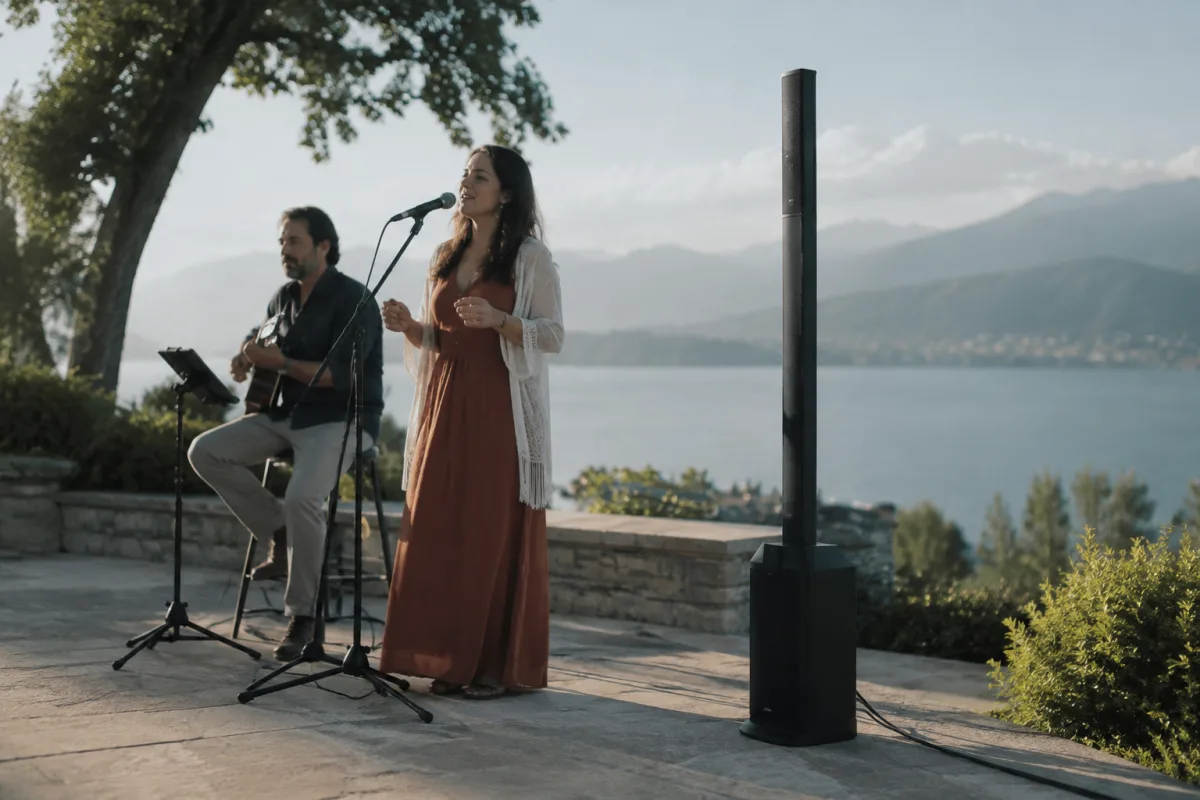
Your first time considering an L1 Compact system can feel overwhelming. It's a premium portable PA system that sounds professional, but is it right for you? Can you actually figure out how to use it? Will it genuinely make your performances better? If you're a solo performer, a duo, or a small ensemble stepping up to your first real PA, this guide cuts through the confusion. You'll understand what an L1 Compact system does, whether it fits your needs, how to set it up without panic, and what to expect from the learning curve. Spoiler: it's smaller and easier than it looks.
What an L1 Compact System Actually Is
An L1 Compact system is a self-contained portable PA (public address) system made by Bose. It's designed for one person to carry, set up, and operate. The system includes an amplifier, a column of speakers stacked vertically, a power source, and channels for microphones and instruments. Unlike traditional PA systems with separate amplifiers and speaker boxes, the L1 Compact combines everything into one elegant tower. It weighs around 11 kilograms and fits in a gig bag. Despite its compact size, it projects sound powerfully and evenly across a room or small outdoor space. It's designed for clarity and simplicity, not complexity.
Why Beginners Choose an L1 Compact System
You might be wondering why you'd invest in a portable PA at all. Here's the honest answer: if you're performing solo or in a small group without a dedicated sound technician, an L1 Compact system changes everything. Your acoustic guitar becomes audible across a venue. Your vocals cut through clearly. Bandmates hear themselves. Audiences aren't straining to listen. Beginners often think they need to rent a PA or borrow equipment. An L1 Compact system is yours—consistent, familiar, and always available. You own your sound. That builds confidence.
Understanding the Basic Components
An L1 Compact system consists of a few straightforward pieces:
The base unit (head): This is the amplifier and control hub. It has knobs for volume, channels for microphone and instrument input, and a power switch. Don't be intimidated by knobs—you'll use only a handful regularly.
The column: This is the speaker stack that sits on top of the base. It projects sound upward and downward, covering a 180-degree radius. It looks striking but is light and sturdy.
The stand or bag: The column and base sit on a simple stand or pack into a dedicated gig bag. Setup takes minutes.
Cables and a power source: Standard audio cables connect your guitar or microphone. Power comes from mains electricity or a battery (some performers use portable batteries).
Your First Week: Simple Setup and Basic Operation
Here's what your first week looks like. Unbox the L1 Compact system and familiarise yourself with the components. Read the basics manual (seriously—Bose's documentation is clear). Place the system in your practice space. Plug in your guitar using a standard instrument cable. Turn the power on. Gradually turn up the volume knob on the channel your guitar is plugged into. Listen. Adjust the volume to a comfortable level. That's it. You've successfully operated an L1 Compact system. Spend a few days just playing through it, getting used to how it sounds. Your guitar will sound clearer through the PA than through a typical amplifier. This is normal and wonderful.
Adding a Microphone: Your Second Week
Once you're comfortable with instrument input, add a microphone. Plug a standard vocal microphone into the microphone input (usually marked with a microphone icon). Set the microphone level to a lower number than your instrument. Sing or speak into the microphone and adjust volume to match your instrument. You've now successfully run a two-channel PA. Most beginners stop here and perform confidently with this setup.
Common First-Timer Mistakes With an L1 Compact System
Cranking the master volume immediately. Beginners often turn the master volume too high, causing ear fatigue and distortion. Start at low levels and increase gradually. You'll find that moderate volumes sound better.
Plugging in too many devices at once. An L1 Compact system has multiple channels, but beginners don't need them all simultaneously. Start with one input (guitar or microphone), master it, then add more as needed.
Ignoring cable quality. Cheap cables introduce hum and noise into your signal. A decent microphone or instrument cable (£10-20) prevents frustration.
Not letting the system warm up. Like valve amplifiers, the L1 Compact system benefits from a few minutes of power-up time before heavy use. Turn it on, wait two minutes, then begin performing.
Overcomplicating the setup. Beginners sometimes try to use advanced features before mastering basics. The simple setup—guitar in, microphone in, audience listening—is 90% of what you need. Master this before exploring extras.
Real-World Performance Setup: Two Hours Before the Show
Your first performance with an L1 Compact system should follow this timeline: Arrive early. Unpack the system and place it where the audience will hear it best (usually central and raised slightly). Connect your guitar and microphone cables. Turn the system on and let it warm for two minutes. Test your guitar channel at low volume—adjust as needed. Test your microphone at low volume. Have a friend stand where the audience will sit and confirm they can hear you clearly. Make final volume adjustments. You're ready. This entire process takes 15-20 minutes. Most of your time is setup; the operation is simple.
Troubleshooting Basics: What to Do When Something Seems Wrong
No sound: Check that cables are plugged in fully, the channel volume isn't at zero, and the master volume is above minimum. Nine times out of ten, it's a cable or volume level.
Hum or buzz: This usually indicates a cable quality issue or a ground loop (multiple power sources interfering). Try a different cable first. If the hum persists, isolate which device is causing it by unplugging one at a time.
Distorted sound: Your input level is too high. Lower the channel volume until the distortion disappears. The L1 Compact system sounds best at moderate levels, not cranked.
Feedback (squealing): The microphone is picking up sound from the speakers. Move the microphone away from the column or reduce its volume slightly.
Building Confidence: Your First Three Performances
Your first performance will feel alien. You're hearing yourself through a PA for the first time. This takes adjustment. You might speak or sing more quietly, assuming the PA is too loud—it probably isn't. Trust the levels you set during soundcheck. By your second performance, the experience feels normal. By your third, you'll barely think about the system. It becomes invisible. Confidence builds through repetition and consistent results. An L1 Compact system delivers consistency.
Maintenance and Care: Keeping Your System Reliable
Treat your L1 Compact system with reasonable care and it'll serve you for years. Pack it carefully in its gig bag after performances. Keep cables organised. Don't expose it to extreme heat, cold, or moisture. Clean the column occasionally with a soft cloth. If something stops working, refer to Bose's online resources or contact their support—they're excellent with troubleshooting. Most issues are cable-related, not system faults.
Upgrading Your Skills: What to Explore Next
Once you've mastered basic operation, explore extras. Learn to adjust EQ (tone controls) to suit different venues. Try using a mixer with your L1 Compact system for more control. Experiment with effects (reverb, delay) if your system supports them. Add a second microphone for duets or band applications. These upgrades enhance your capability without overwhelming beginners. Take them one at a time.
Your L1 Compact System Journey Begins
An L1 Compact system is your partner in professional-sounding performances. Beginners often underestimate its ease of use and overestimate its complexity. The reality is simpler: plug in, turn on, perform. Within a month of regular use, you'll feel like you've used a PA for years. The learning curve is gentle. The rewards are substantial. Your performances will sound clearer, your confidence will grow, and audiences will hear you properly. For deeper guidance on portable PA systems and live sound fundamentals, explore our complete guide to L1 Compact system.
Quick Setup Checklist for Your First Gig
Arrive early and unpack. Place the system centrally and raised. Plug in guitar and microphone cables. Power on and wait two minutes. Test guitar channel at low volume. Test microphone at low volume. Have someone stand in the audience area and confirm audibility. Make final adjustments. Perform with confidence.


Comments