
JBL Power Speaker article
The Complete Guide to Jbl Power Speaker
JBL power speakers integrate amplification and drivers into self-contained units ideal for mobile DJs, venues, and event reinforcement without external amplifiers.
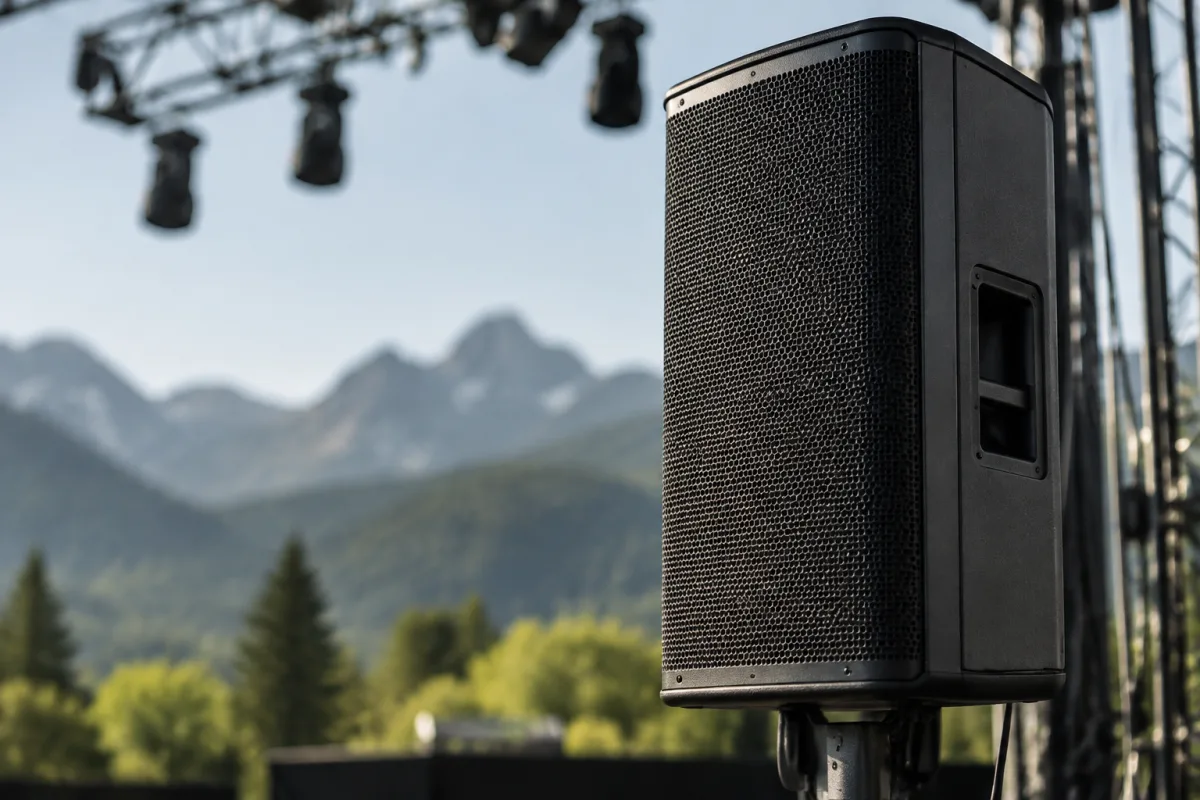
JBL power speakers combine amplification, processing, and transducers into self-contained units designed for portable and permanent live sound applications. Whether powering a small cafe, backing a mobile DJ rig, or reinforcing a church sermon, these versatile systems deliver professional audio without the complexity of external amplifiers and crossovers. JBL’s engineering heritage ensures that performance remains consistent whether you’re running a modest setup or a multi-cabinet array.
What Makes JBL Power Speakers Essential for Live Sound?
Power speakers integrate everything needed for acoustic reinforcement into a single unit. The built-in amplifier, processing, and drivers eliminate cable runs between separate components, simplifying setup and reducing failure points. This integration makes them ideal for mobile operators, small venues, and installations where space or budget restrictions preclude traditional split systems.
JBL’s reputation in professional audio means their systems are engineered for dependability. Many venues and operators choose these speakers specifically for their reliability during critical events—whether a wedding reception, corporate conference, or touring performance.
JBL Power Speaker Categories & Models
JBL manufactures several lines across different power and application categories:
- Portable Active Systems – Compact models designed for mobile DJs, small events, and portable reinforcement. Often featuring lightweight construction and convenient handles.
- Installation-Grade Power Speakers – Larger cabinets engineered for permanent or semi-permanent venues. Typically offering higher power handling and refined processing.
- Line Array Components – Specialist models designed to stack vertically, offering controlled dispersion and superior coverage for medium to large audiences.
- Subwoofer Systems – Powered bass reinforcement units designed to pair with primary power speakers, extending low-frequency response for music and effects.
Amplifier Power & Driver Configuration
Power speaker wattage typically ranges from 200 watts in compact models to 2000+ watts in larger installation units. The relationship between wattage and perceived loudness is nonlinear—doubling power only increases sound pressure level by 3 decibels, so operational context matters more than raw specifications.
Driver configurations vary significantly. Smaller units may employ a single woofer with a tweeter; larger models feature multi-way systems with dedicated mid-range drivers, ensuring clarity across the audio spectrum. JBL’s crossover designs ensure smooth integration between driver frequencies.
Built-In Processing & Connectivity
Modern units include onboard mixing, equalization, and often wireless microphone receivers. These integrated features appeal to operators who need flexibility without external gear. Connectivity typically includes balanced XLR inputs (both line and microphone level), RCA inputs for consumer devices, and sometimes Bluetooth for wireless audio streaming.
Equalization options range from simple bass/treble controls on compact models to parametric EQ on professional-grade units, allowing operators to tailor the system to venue acoustics. Some models include presets optimised for different content—music, speech, or mixed reinforcement.
Application Scenarios
The versatility of these systems makes them suitable for diverse uses. Small cafes and restaurants use compact models to provide ambient music or background speech reinforcement. Mobile DJs rely on portable varieties for weddings, parties, and corporate events. Churches and community centres employ larger systems for Sunday services and assemblies. Musicians use them as floor monitors or as portable PA rigs for smaller venues.
The common thread is simplicity—unpack, connect, and operate without extensive technical knowledge or additional equipment.
JBL Power Speaker vs. Passive Systems
Passive systems require external amplifiers and offer greater modularity and scalability. Powered alternatives eliminate the need for separate amps, reducing setup time and cable complexity. The trade-off is that powered systems are less flexible for future expansion compared to passive designs that accept external amplification upgrades.
| Aspect | JBL Powered Speakers | Passive Systems |
|---|---|---|
| Setup Complexity | Simple | More Complex |
| Cable Requirements | Minimal | Extensive |
| Scalability | Moderate | Excellent |
| Failure Points | Fewer | More |
| Portability | Good (smaller models) | Fair |
| Cost Per Unit | Higher | Lower (speakers alone) |
Reliability & Build Quality
JBL power speakers are constructed with professional venues in mind. Enclosures use plywood or composite materials chosen for durability and acoustic properties. Hardware is stainless steel or powder-coated steel to resist corrosion. Internal amplifiers include protection circuits guarding against thermal shutdown, speaker impedance mismatches, and DC faults.
These engineering touches mean the systems perform reliably through rigorous use—year after year in demanding environments.
Who Relies on JBL Power Speakers?
Mobile operators appreciate their portability and plug-and-play nature. Permanent venues value their reliability and consistent performance. Educational institutions use them for assemblies and performances. Places of worship employ them for sermons and musical accompaniment. Whether you need temporary reinforcement for an event or permanent installation in a venue, these solutions offer proven dependability.
The broad adoption across diverse sectors reflects one fundamental truth: JBL power speakers work. They deliver reliable, intelligible audio without requiring specialised knowledge or elaborate setup procedures, making them indispensable across the professional audio landscape.


Comments