
Laser Lighting article
The Complete Guide to Laser Lighting
Learn how laser lighting transforms live events and concerts. Explore different systems, safety considerations and practical advice for venues of any size.
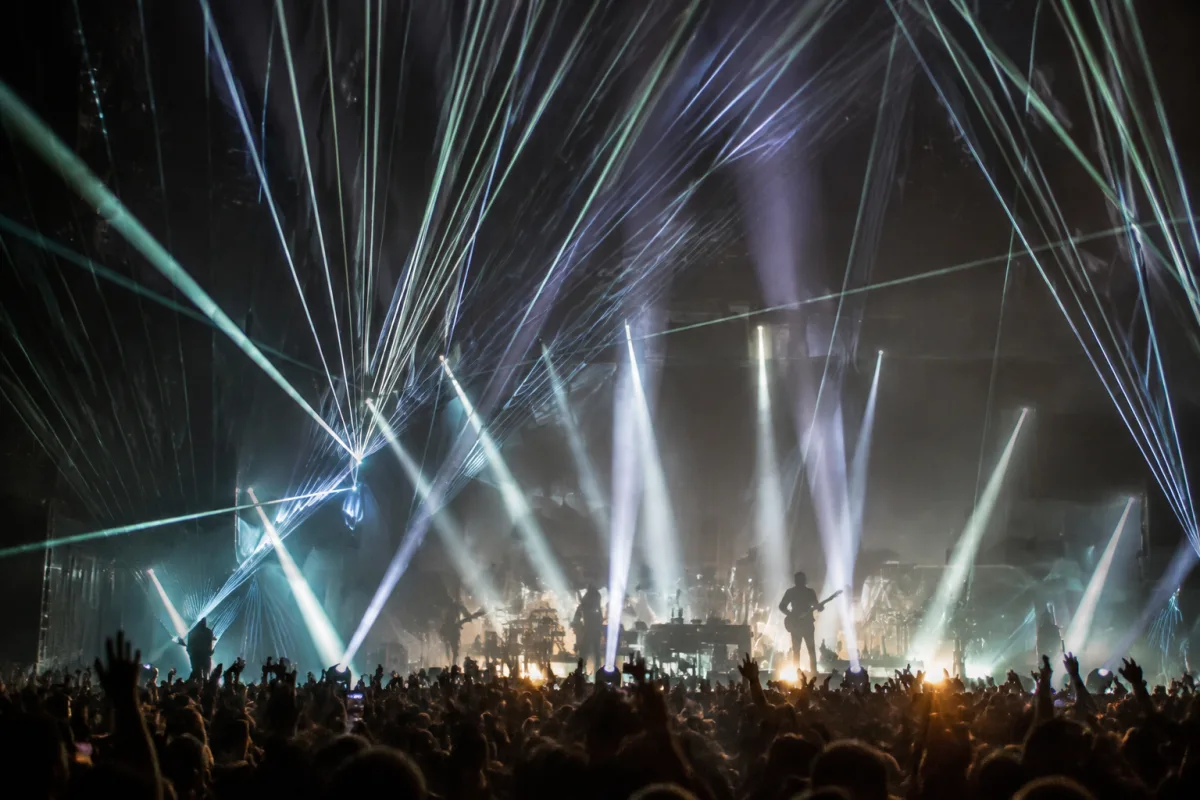
Live events and concerts have embraced laser effects for decades, transforming stages into dynamic visual environments that enhance performances and captivate audiences. Whether you're organising a small gig or designing production for a major festival, understanding laser lighting technology helps you make informed decisions about safety, impact and cost. These systems offer unmatched precision, vibrant colour and creative possibilities that traditional stage illumination simply cannot match.
What Is Laser Lighting?
Laser lighting uses coherent light beams generated by laser emitters to create visual effects on stage or in a venue. Unlike conventional stage lights, which spread illumination across a space, these beams maintain their intensity and direction over long distances, producing sharp, defined projections. The systems available range from simple single-colour beams to sophisticated multi-colour scanners that paint intricate patterns and animations in real time.
This technology is particularly popular in nightclubs, concert venues, festivals and theatrical productions because it creates visual drama that engages audiences and elevates the emotional impact of music and performance.
Types of Systems Available
Professional installations come in several configurations, each suited to different venues and creative goals:
- Single-colour modules — Usually red, green or blue, these are the most common and affordable options. They project simple beams or basic shapes, ideal for small venues or as entry-level effects.
- Multi-colour RGB systems — These combine red, green and blue lasers to create millions of colour combinations. They offer far greater creative flexibility than single-colour alternatives and are standard in professional venues.
- Laser scanners with galvanometers — Equipped with motorised mirrors, these can paint complex animations, text and graphics across a space in real time. They're the most sophisticated option available and require skilled operators.
- Projection-mapping systems — These combine coherent light with projection technology to map imagery onto architectural features, set pieces or performers, creating immersive visual environments.
- Automated light shows — Pre-programmed, fully automated systems often used at major events, festivals and theme parks. They synchronise effects with music, often using multiple beams and sophisticated timing.
Applications in Live Events
Such effects enhance many different types of performances and events. Club and festival environments benefit from the energy and visual excitement that coherent beams generate. Theatrical productions use them to create surreal or otherworldly atmospheres. Corporate events and product launches employ them to establish a premium, cutting-edge feel. Even smaller live music venues benefit from modest installations that complement the artist's performance.
The versatility of laser lighting technology makes it valuable across a broad spectrum of entertainment contexts, from intimate live music events to outdoor festivals drawing thousands of spectators.
Colour, Brightness and Outdoor Visibility
Perceived intensity depends on several factors. Red beams appear dimmer to the human eye than green of equal power, which is why professional systems use more powerful red modules to achieve visual balance. Green light offers the best visibility in bright or outdoor settings. Blue works well indoors and in darker venues.
Outdoor applications require more powerful output to remain visible in daylight, and weather conditions affect performance. Fog, haze and atmospheric moisture can actually enhance the effects by making beams visible across space, which is why professional operators often coordinate with haze machines for optimal visual impact.
Safety Considerations
Safety is paramount in any professional environment. High-powered systems pose genuine hazards to eyes and skin if beams strike performers or audience members. Responsible venue operators and production companies follow strict protocols:
- Eye safety regulations — Most jurisdictions enforce strict limits on power and beam direction. Beams must never scan across audience areas or directly at eye level. Professional operators understand and comply with local safety standards.
- Operator certification — Skilled technicians undergo training to ensure safe operation and artistic quality. Professional events always employ certified specialists.
- Protective barriers — Physical screens and controlled zones keep audience members away from high-risk beam paths.
- Regular maintenance — Properly functioning systems are more reliable and safer than neglected equipment.
Choosing and Installing Systems
Selecting the right installation depends on venue size, budget, and creative goals. Small clubs might invest in affordable single-colour or basic RGB options. Larger venues and touring productions often require powerful multi-colour scanners or projection-mapping systems. Professional installers assess sightlines, safety requirements and technical integration before recommending specific equipment.
Installation involves careful positioning to avoid direct audience exposure, integration with the existing control system, and coordination with other stage effects. Power requirements are modest (most systems draw 500–2000 watts), making them practical for existing venues without major electrical upgrades.
Cost and Return on Investment
Entry-level modules cost from £500 upwards. Professional multi-colour scanner systems range from £2000 to £10,000+. Whilst this represents a meaningful investment, venues report that these effects attract more customers, justify higher ticket prices and create memorable experiences that encourage repeat attendance.
Rental is another option for events that don't warrant permanent installation. Professional rental companies supply complete systems with technical support, making such technology accessible for one-off concerts or festivals.
Conclusion
Laser lighting transforms live events and musical performances, creating visual excitement that audiences remember long after the final song. Understanding the different systems available, their capabilities and safety requirements helps you make informed decisions about incorporating this technology into your venue or event. Whether you're a small club operator or a major festival organiser, these effects offer creative possibilities that enhance performances and build your reputation as a forward-thinking, engaging entertainment destination.


Comments