


Hk Audio PA Speaker article
Hk Audio Pa Speaker for Beginners: A Complete Guide
Intimidated by PA speakers? HK Audio makes it easy for beginners. Find out why they're a smart choice and how to get started with your first setup.
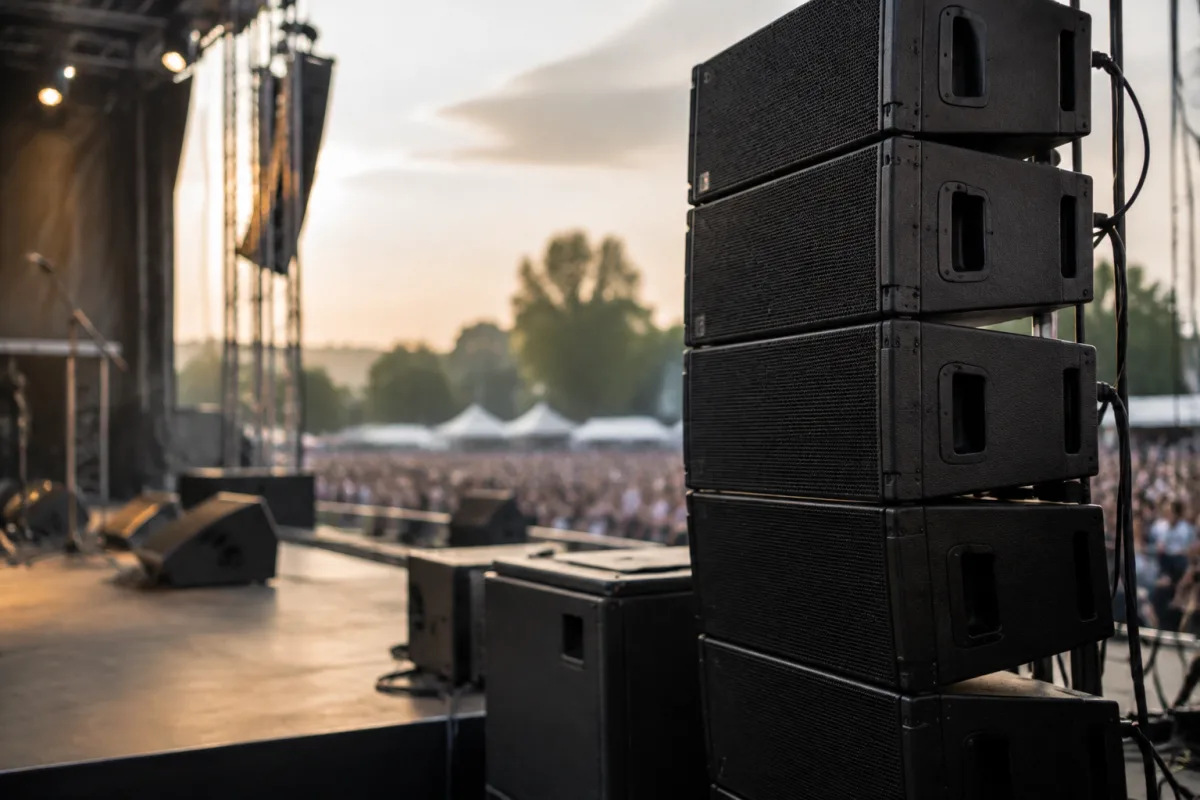
If you're just starting out with live sound and someone mentioned HK Audio PA speakers, you might be wondering whether they're something you should know about. The short answer: yes, and they're far more beginner-friendly than you probably think. This guide walks you through what makes HK Audio special for people just entering the world of PA systems, and why you don't need to be intimidated by the choice.
Why HK Audio Matters for Beginners
HK Audio has a solid reputation in professional audio, but that professional reputation shouldn't scare you off. In fact, their approach is fundamentally beginner-friendly: they've spent decades designing speakers that sound excellent without requiring a degree in acoustics to set up and use.
When you're new to PA systems, you're looking for gear that does what you ask without surprises. HK Audio delivers that. Their speakers are known for clear, present sound across a wide frequency range, which means your voice, instruments, and music come through clean whether you're playing a small venue, outdoor event, or community gathering.
The Two Main Types You'll Encounter
HK Audio makes different speaker systems for different needs, but as a beginner, you're most likely to encounter two main categories.
Full-range speakers are the workhorses. These handle everything—vocals, instruments, music playback—all in one cabinet. They're versatile, relatively compact, and perfect for someone learning what they actually need. If you're unsure and just want to get started, a full-range HK Audio speaker gives you flexibility.
Speaker systems with separate tops and subs add a subwoofer for deeper bass response. This setup produces richer, fuller sound, especially noticeable with music playback or bass-heavy performances. Beginners often think they need this immediately; usually, you don't. Start with full-range, and upgrade to a sub later if you find yourself wishing for more low end.
Power and Wattage: Demystifying the Numbers
Every speaker spec sheet lists wattage, and beginners often assume higher wattage automatically means "louder" or "better." It's a bit more nuanced than that, but don't let that worry you. For most small to mid-sized venues, an HK Audio speaker in the 300–600 watt range gives you more than enough volume and clarity. In a venue holding 100–200 people, you'll be surprised by how far that power carries.
If you're considering an HK Audio PA speaker and you're not sure whether a particular wattage is right for your space, think about the room size and how many people you're reaching. Talk to someone at your local music store or the supplier—that five-minute conversation will clarify far more than reading specs online.
Your First Setup: Simple and Straightforward
Here's what a beginner's first setup looks like, and it's reassuringly simple.
- Position your HK Audio speakers at ear level, angled toward your audience. Don't hide them behind things or aim them at a wall.
- Connect your mixer or audio interface to the speakers using balanced XLR cables (or 1/4-inch cables if the speakers support them).
- Run your microphones and instruments into your mixer.
- Power on everything and adjust levels. Start with inputs turned down, then gradually bring them up until you hear your audio coming through clean.
- That's it. You're running a PA system.
HK Audio speakers are designed to handle standard audio connectors and signal levels, so you don't have to learn special procedures or tricks. Plug in, set levels, go.
Sound Quality: What Beginners Actually Notice
When you use an HK Audio speaker for the first time, you'll likely notice how present and clear the sound is. This is intentional. HK Audio engineers speakers to emphasize clarity in the vocal range and midrange, which means your spoken word, singing, and instruments come through crisp and intelligible. This is exactly what beginners care about—will people in the audience hear what's being said and sung? With HK Audio, the answer is yes.
You'll also notice the speakers stay clean when you turn up the volume. A beginner's common fear: "What if I accidentally crank it too loud and it sounds awful?" HK Audio speakers maintain sound quality across their volume range, so you have some margin for error while you're learning.
Common Beginner Worries (and Why You Can Relax)
"Will I break something if I connect it wrong?" Unlikely. XLR connections are keyed; they only fit one way. If something doesn't plug in, stop and check the orientation. Don't force it.
"What if I don't have enough speakers?" Start with what you have. One or two well-placed HK Audio speakers cover most small venues. If you find yourself needing more, you'll know it because you'll be able to hear the dead zones in the audience.
"Is HK Audio more expensive than I can afford?" HK Audio makes entry-level models alongside professional-grade systems. An entry-level HK Audio PA speaker is competitively priced with other reputable brands, and the sound quality you get for the money is excellent.
A Proper Overview for Deeper Dive
If you want to explore HK Audio speakers in greater depth—specific models, technical comparisons, and detailed specifications—check out our comprehensive guide to HK Audio PA speakers for a complete breakdown.
Moving Forward with Confidence
Choosing an HK Audio PA speaker for your first setup is a solid decision. You're getting gear built by people who understand live sound, tested in real-world venues, and designed to just work. The learning curve isn't steep, the speakers reward you with clear audio when you set them up right, and when you get more experienced, these same speakers perform for professionals.
Your first gig or event with an HK Audio system is going to feel great. You'll hear the clarity, you'll see people engaged and able to hear the performance, and you'll realize that setting up a PA system wasn't nearly as scary as you thought it was.


Comments