


Haze Machine article
Haze Machine for Beginners: A Complete Guide
If you run live events or theatre, a haze machine transforms your lighting design. Here's everything a beginner needs to know about getting started with atmospheric haze.
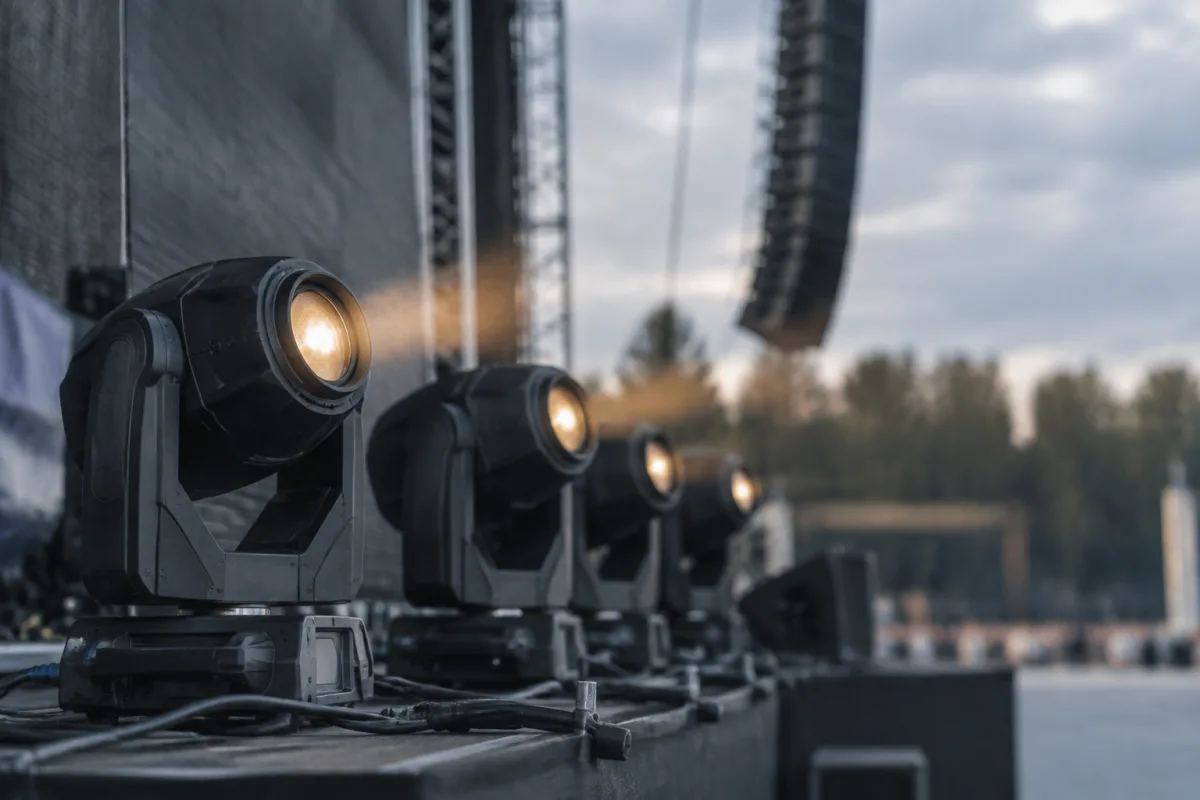
If you work in live events, theatre, or venue lighting, you've probably wondered about getting the right atmospheric effect. It's actually simpler than you think. Unlike fog machines, which are dramatic and temporary, haze is subtle, continuous, and genuinely transforms how lighting looks on stage. This technology is surprisingly affordable to start with, and once you understand the basics, you'll realise you were missing something essential.
What It Actually Does
A haze machine produces ultra-fine particles that hang in the air, making light beams visible without dominating the space. Walk into a professional concert or theatre production and you'll see lighting beams cutting through the air—that's atmospheric haze at work. It's not the thick, ground-hugging fog you see at some events; it's a lightweight atmosphere that enhances visuals whilst remaining transparent.
The beauty is subtlety. It lets your audience see stage action clearly whilst creating atmosphere. Light beams become visible and dimensional. Spotlights gain depth. Your lighting rig suddenly has something to play with. This isn't a special effect—it's a lighting tool that every serious lighting designer wants available.
Haze vs Fog: Understanding the Difference
Beginners often confuse these two technologies. They're completely different tools. A fog machine produces heavy, ground-level effects—the dramatic clouds rolling across a stage. A haze machine creates lightweight, continuous atmosphere throughout the room. Fog is temporary; haze is persistent. Fog dominates the space; haze supports it.
Think of it this way: use fog for dramatic, intentional moments. Use haze for the entire show. Many venues use both—haze constantly running at a low level, with fog adding punctuation. But if you're choosing one device to start with, a haze machine is more practical because it doesn't interfere with sightlines.
Starting Out: What You Need
Entry-level models run £300-600 and work brilliantly for small venues, theatre productions, and studio work. They're sturdy, reliable, and do exactly what beginners need—create visible atmosphere with minimal fuss. Don't get caught up in mega-machines designed for stadium tours yet. A basic setup handles virtually every professional situation.
You'll also need fluid for the machine, a remote control (usually included), and proper ventilation. The consumable fluid is inexpensive—typically £5-15 per litre—and each model has its own consumption rate. A small unit might use 0.5-1 litre per hour of operation. Budget accordingly, but fluid costs are genuinely minimal compared to the purchase price.
Choosing Your First Unit
Look for build quality and heat-up time. It should warm up in 2-5 minutes, not 15. Output rate matters too—you want adjustable intensity so you can run subtly or create more atmosphere quickly. Remote operation is essential because you'll control it from your mixing position, not physically nearby.
Size and weight matter if you're touring or setting up regularly. Compact models are genuinely portable. Large machines stay put in permanent installations. For beginners, a mid-size option offers balance—portable enough to move when needed, but substantial enough to feel professional and reliable.
Common Beginner Mistakes
Mistake one: running it continuously during rehearsals. You'll get atmospheric buildup, fluid costs add up, and your venue gets stuffy. Use it conservatively during rehearsals, reserve heavy use for actual performances. Train your operators to respect the tool.
Mistake two: ignoring maintenance. The equipment needs regular tank cleaning and filter maintenance. Neglect this and it clogs, performance drops, and you'll spend money on repairs that proper care could have prevented. Read the manual and follow maintenance schedules religiously.
Mistake three: using the wrong fluid. Haze fluid is specifically formulated for this equipment. Using fog fluid or off-brand alternatives creates gunky buildup inside. Spend a few extra quid for proper fluid and your device will last years.
Setting Up Your First Unit
Mount it safely, preferably high and central so atmosphere distributes evenly throughout the space. Ensure heat and exhaust aren't directed at audiences or performers. Position it where you can access it for fluid refills and maintenance without disruption.
Run your remote to your mixing position—usually next to your lighting desk. Test at low levels first. Understand how long it takes to build atmosphere and how quickly you can clear it if needed. Practice makes perfect. It becomes intuitive after a few uses.
Making It Work Artistically
Beginners often run it constantly. Instead, use it intentionally. Layer atmosphere at different times during the show. During a climactic moment, raise intensity to emphasise drama. During intimate scenes, reduce it to create focus. This is a lighting tool—use it like you'd use colour or intensity.
Work with your lighting designer and production team. It affects visibility and sightlines. Ensure everyone understands how you'll use it and agrees on levels. A properly dialled-in setup enhances every show; poorly managed atmosphere frustrates audiences and production staff.
Next Steps
It's a genuine investment in professional production quality. Start small, learn your equipment thoroughly, and respect its role as a lighting enhancement tool. For more technical details and advanced techniques, see our complete guide to haze machines. Within weeks of your first show, you'll understand why professional venues consider this equipment essential.
The Bottom Line
If you produce live events or theatre, a haze machine is genuinely worth the investment. It's affordable, reliable, and transforms your lighting design. Don't overthink it—pick a solid mid-range unit, learn its basics, and start incorporating haze into your productions. Your lighting will immediately feel more professional, more atmospheric, and more visually compelling. That's the gift of a haze machine: everything looks better when light has something to reveal.


Comments