
Yamaha Digital Mixer Console article
The Complete Guide to Yamaha Digital Mixer Console
Yamaha digital mixer consoles are the gold standard in professional mixing, trusted by concert halls, broadcast facilities, and touring productions worldwide. Learn what makes them special.
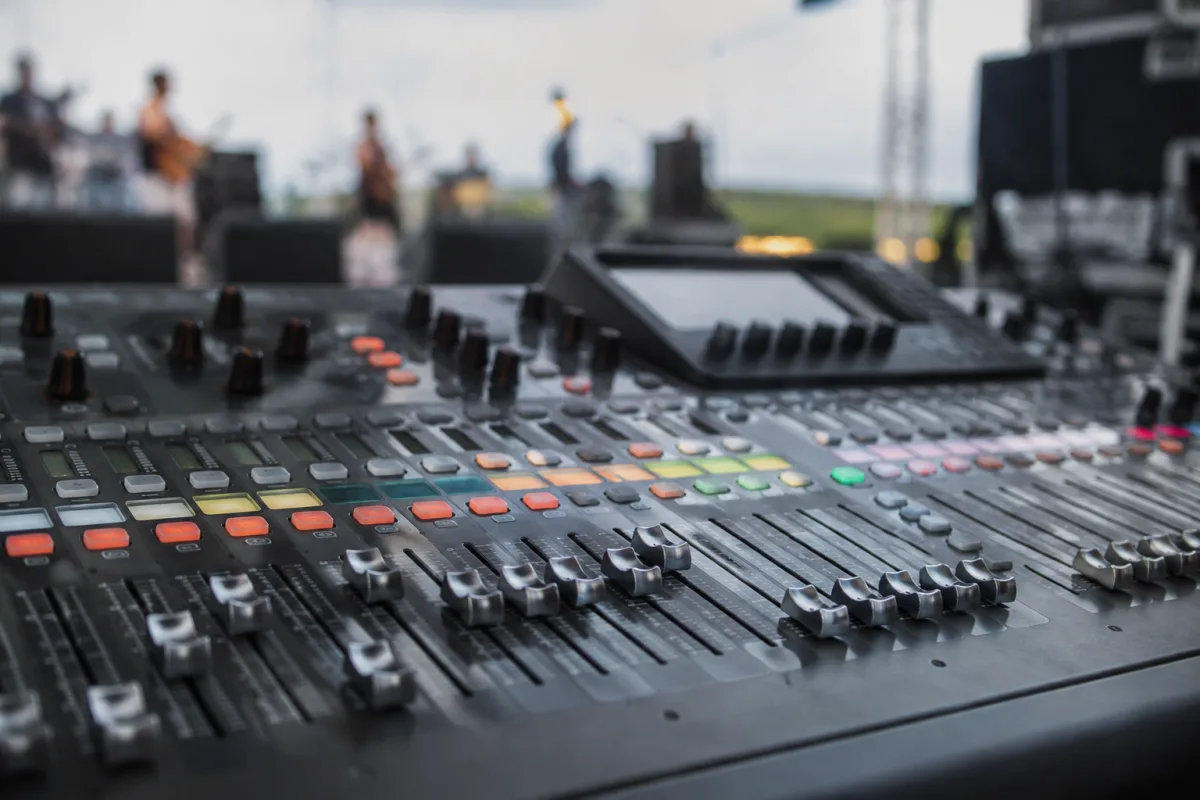
A Yamaha digital mixer console represents the gold standard in professional mixing technology, used in concert halls, broadcast facilities, studios, and touring productions worldwide. Yamaha's blend of intuitive interface design, powerful signal processing, and rock-solid reliability has made their mixing consoles the choice of engineers who demand precision, flexibility, and the ability to handle complex multitrack sessions without compromise. Whether you're mixing a live festival, orchestrating a theatre production, or building a sophisticated recording studio, understanding what a Yamaha digital mixer console can do will help you make the right investment.
Why Choose a Yamaha Digital Mixer Console?
Yamaha has been designing and manufacturing mixing consoles for decades, and that expertise shows in every detail. A Yamaha digital mixer console combines the tactile, intuitive operation of a traditional mixing desk with the processing power and flexibility of modern digital audio workstations. Unlike software-only mixing, which requires extensive menu navigation, a Yamaha console puts essential controls at your fingertips via physical faders, buttons, and a large touchscreen interface.
The sound quality of a Yamaha digital mixer console is legendary among engineers. Yamaha's preamps, converters, and DSP algorithms are engineered for transparency, accuracy, and a slight, pleasing warmth that's become synonymous with the brand. Whether you're capturing the subtlety of a classical ensemble or the raw energy of a rock show, a Yamaha console delivers the clarity and depth your content deserves.
Key Types of Yamaha Digital Mixer Consoles
Yamaha makes several ranges, each designed for specific applications:
- CL series: The flagship for large-scale live sound and broadcast. The CL1, CL3, and CL5 are among the most powerful, flexible consoles ever made. Used at major venues, festivals, and touring productions worldwide.
- QL series: Smaller, more affordable than CL, but still feature-rich and professional-grade. Excellent for mid-size venues, corporate events, and smaller touring rigs.
- PM series: Hybrid consoles combining traditional analogue mixing surfaces with digital I/O and processing. A bridge between classic analogue workflow and modern digital flexibility.
- TF series: Compact, portable digital consoles designed for smaller venues, rehearsals, and installations. Still feature the renowned Yamaha sound and mixing engine.
- M7CL and M5000: Older generations still in wide use, particularly in touring and theatres. They remain fully capable, and used units offer excellent value.
Core Features That Define a Yamaha Digital Mixer Console
Every professional Yamaha digital mixer console includes several key technologies:
| Feature | What It Does | Why It Matters |
|---|---|---|
| Channel faders & touch screen | Tactile mixing surface with a large touchscreen for detailed editing and navigation | Combines the speed of physical faders with the flexibility of software—you can ride levels and touch EQ simultaneously without reaching for a mouse. |
| DSP and processing | On-board effects, EQ, compression, gates, delays, reverbs | Professional-grade algorithms mean you rarely need external processing. Everything you need for a complete mix is built in. |
| Digital I/O options | DANTE networking, AES/EBU, Madi, USB, Firewire | Modern Yamaha consoles connect to digital systems seamlessly. DANTE in particular allows networked audio over ethernet, expanding possibilities for networked installs. |
| Mixing engine | DSP horsepower for channel processing, routing, and monitoring | A powerful engine means more channels, more sends, more effects—essential as your mixing tasks grow more complex. |
| Recall and snapshots | Store and recall entire console configurations instantly | For touring or multi-song live events, instant recall of custom setups saves setup time and ensures consistency between shows. |
Popular Models and When to Use Them
Choosing the right model depends on your venue size, channel count, and budget:
- Yamaha TF5: 48 channels, compact and portable. Ideal for smaller venues, houses of worship, and travelling productions that need professional sound without breaking the bank.
- Yamaha QL5: 64 channels, larger mixing surface, powerful processing. Sweet spot for mid-size venues, touring bands, and broadcast applications.
- Yamaha CL3: 96 channels, award-winning mixing engine, and the most sophisticated processing available. Standard for major festivals, concerts, and broadcast productions worldwide.
- Yamaha CL5: 128 channels, the ultimate in flexibility and power. Used at the world's largest venues and by the most demanding touring engineers.
Integration into Your System
A Yamaha digital mixer console sits at the centre of your live sound or studio system. You'll connect microphones and line-level sources to the physical inputs, route audio through the mixing engine via the touchscreen, and send outputs to speakers, recording devices, or broadcast feeds. Modern Yamaha consoles use dante networks to connect to remote devices, expansion cards, and networked I/O, making them extraordinarily flexible.
Setup requires understanding signal flow and gain staging. Yamaha provides comprehensive training materials, and the industry community around these consoles is vast—help is readily available. Many venues employ full-time engineers who know their Yamaha console intimately, which speaks to the learning curve being worthwhile for serious work.
Why Professionals Choose Yamaha Digital Mixer Consoles
A Yamaha digital mixer console is a professional investment. The build quality means equipment remains functional for decades. The sound is exceptional. Workflow is optimised for both simple and complex mixes. Support is strong, spare parts are available globally, and the resale value remains high. Once you learn a Yamaha console, you can walk into any major venue or touring truck and operate it with confidence—they're that standardised in professional settings.
Conclusion
A Yamaha digital mixer console is the benchmark for professional mixing in live sound, broadcast, and studio work. The combination of intuitive operation, exceptional sound quality, powerful processing, and proven reliability makes these consoles the choice of the world's best engineers. Whether you're mixing small events or managing a complex touring production, investing in a Yamaha digital mixer console means investing in years of professional capability and industry respect. Take time to learn the specific model you'll be using, trust its mixing engine and processing, and let the console's efficiency free you to focus on the music.


Comments