
Digital Mixer Audio article
The Complete Guide to Digital Mixer Audio
A digital mixer audio console combines mixing, routing and effects processing into one interface. Master this essential tool for live sound, studios and venues.
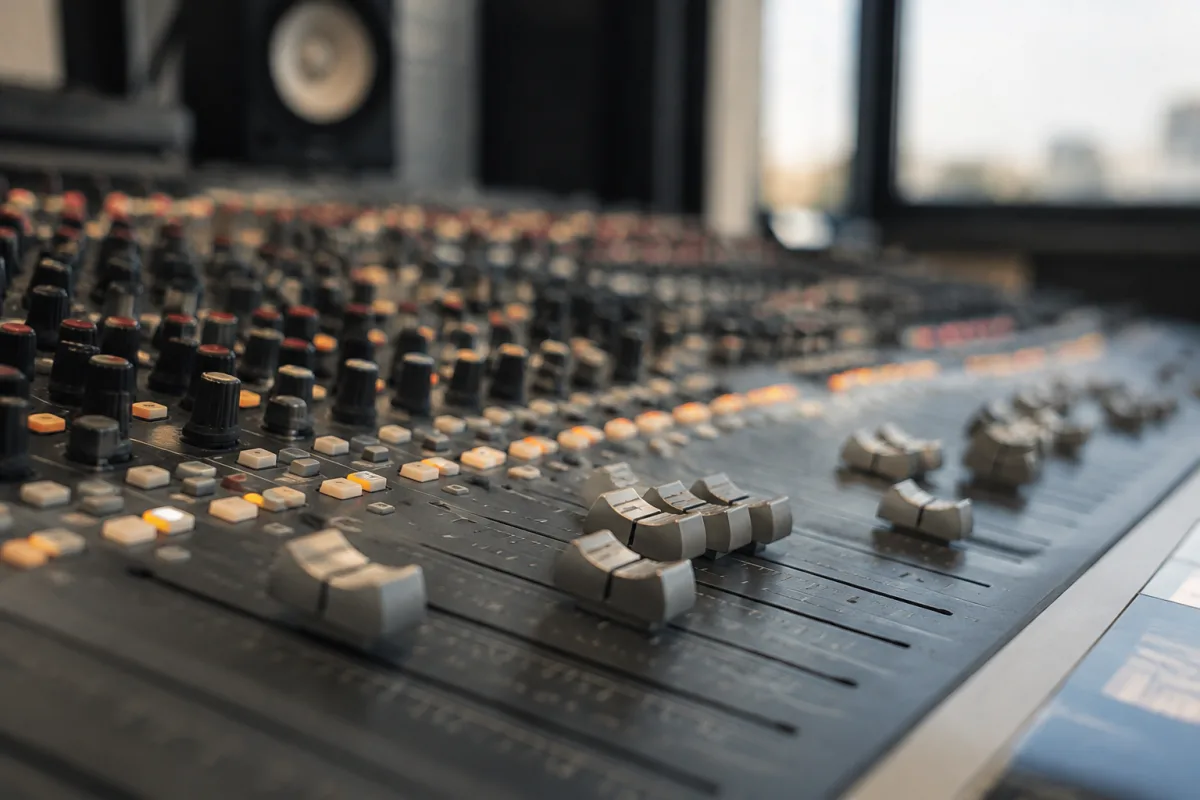
A digital mixer audio console is the nerve centre of modern live sound and studio production. Unlike analogue mixing desks of old, a digital mixer audio unit combines mixing, routing, effects processing and recording into a single interface. Understanding how to use a digital mixer audio system opens professional-level mixing possibilities to venues, churches, studios and travelling performers.
What Is a Digital Mixer Audio System?
A digital mixer audio console is an electronic device that combines multiple audio signals, adjusts their levels and effects, and routes the blended sound to speakers or recording devices. The modern digital mixer audio system does this work using digital signal processing (DSP) rather than the passive components and tube circuits of vintage gear.
Every digital mixer audio setup includes input channels where signals (microphones, instruments, playback) arrive, a mixing bus where signals combine, and output channels where the final mix leaves. A digital mixer audio console adds flexibility by allowing unlimited recall of settings, complex routing and built-in effects.
Digital Mixer Audio vs. Analogue Mixing Desks
The shift from analogue to digital has transformed mixing. An analogue mixer offers immediacy — you grab a fader and the sound changes instantly — but once you walk away, that mix is gone. A digital mixer audio system stores every parameter: fader positions, EQ, reverb amount, gate thresholds. Recall a saved scene and your digital mixer audio console returns to that exact state instantly. This reproducibility makes digital mixer audio essential for touring.
A digital mixer audio console also offers capabilities impossible on analogue gear: unlimited track recording, complex signal routing, sophisticated effects processing and wireless connectivity. The trade-off is complexity — a digital mixer audio system requires understanding its menu structure and learning to navigate screens.
Digital Mixer Audio Features and Capabilities
Modern digital mixer audio devices share core capabilities:
- Channel processing — each channel in a digital mixer audio system has its own EQ, compression, gating and effects.
- Routing flexibility — send any input to any output path; a digital mixer audio setup enables creative possibilities.
- Built-in effects — reverb, delay, chorus and other effects are embedded in most digital mixer audio units.
- Wireless connectivity — many digital mixer audio consoles connect to tablets or phones for remote control.
- Recording capabilities — most digital mixer audio devices record multi-track audio to USB or SD card.
- Automatic mixing — some digital mixer audio systems automatically lower unused microphone levels to reduce feedback.
The specific features depend on the model and price tier of your digital mixer audio device.
Digital Mixer Audio for Live Sound
Live sound professionals rely heavily on digital mixer audio consoles. At a concert, a digital mixer audio engineer manages dozens of inputs — stage microphones, instrument feeds, click tracks, playback — blending them into a cohesive front-of-house mix. The digital mixer audio system's ability to store and recall scenes for different songs is invaluable. Many touring artists travel with their own digital mixer audio console, ensuring sonic consistency night after night.
The portability of modern digital mixer audio devices also matters. Professional touring systems fit into flight cases and travel on truck beds. A digital mixer audio rig can be set up quickly, torn down efficiently and transported reliably.
Digital Mixer Audio in the Studio
Recording studios increasingly incorporate digital mixer audio consoles alongside digital audio workstations (DAWs). A digital mixer audio system provides hands-on control during sessions while the DAW manages recording and editing. The physical faders and knobs of a digital mixer audio interface allow engineers to quickly make adjustments without diving into software menus.
Many modern digital mixer audio devices output directly to DAWs via USB or Dante audio networking, blurring the line between mixing desk and software-based workflow.
Digital Mixer Audio for Houses of Worship
Churches and other houses of worship have embraced digital mixer audio technology. A digital mixer audio console handles the complexity of modern worship setups — live musicians, recorded playback, wireless microphones, video synchronisation — allowing a single operator to manage them. The digital mixer audio system's ability to save different configurations for different services (hymns, contemporary, special events) is particularly valuable.
Choosing the Right Digital Mixer Audio Device
Selecting a digital mixer audio console depends on your needs:
- Venue size — small venues need fewer channels than large arenas. A digital mixer audio device with 16 channels suffices for a 200-person room; larger venues need 32+ channels.
- Budget — entry-level digital mixer audio units cost £500–£2,000; professional touring digital mixer audio consoles cost £5,000–£50,000+.
- Workflow preference — some engineers prefer fader-heavy digital mixer audio surfaces; others prefer compact units with larger screens.
- Specific features — wireless capabilities, recording options and effects vary between digital mixer audio models.
Renting a digital mixer audio device before purchasing is sensible, allowing you to try different units and interfaces in real conditions.
Learning a Digital Mixer Audio System
Every digital mixer audio console has a learning curve. Invest time in understanding your specific digital mixer audio device's interface, menu structure and workflow. Manufacturers provide training videos, manuals and community forums. Most digital mixer audio users find they develop proficiency within weeks of regular practice, though mastery takes longer.
Maintenance and Longevity
A well-maintained digital mixer audio device lasts 10+ years. Protect your digital mixer audio console from dust, moisture and physical damage. Update firmware regularly — manufacturers release improvements and bug fixes. Keep faders and knobs clean using appropriate contact cleaner. A digital mixer audio investment treated well repays its cost through years of reliable service.
Conclusion
The digital mixer audio console represents a fundamental shift in how professionals approach sound. Whether you're managing a concert, recording an album, broadcasting a service or running a venue, a digital mixer audio system offers capabilities that analogue gear cannot match. The learning curve is real, but the power and flexibility of modern digital mixer audio technology make the investment worthwhile for anyone serious about sound.



Comments