


Bose PA Speaker Buying guide
Bose Pa Speaker: A Complete Buyer's Guide
Considering Bose PA speakers? Discover what justifies the premium, compare alternatives, and make an informed purchasing decision.
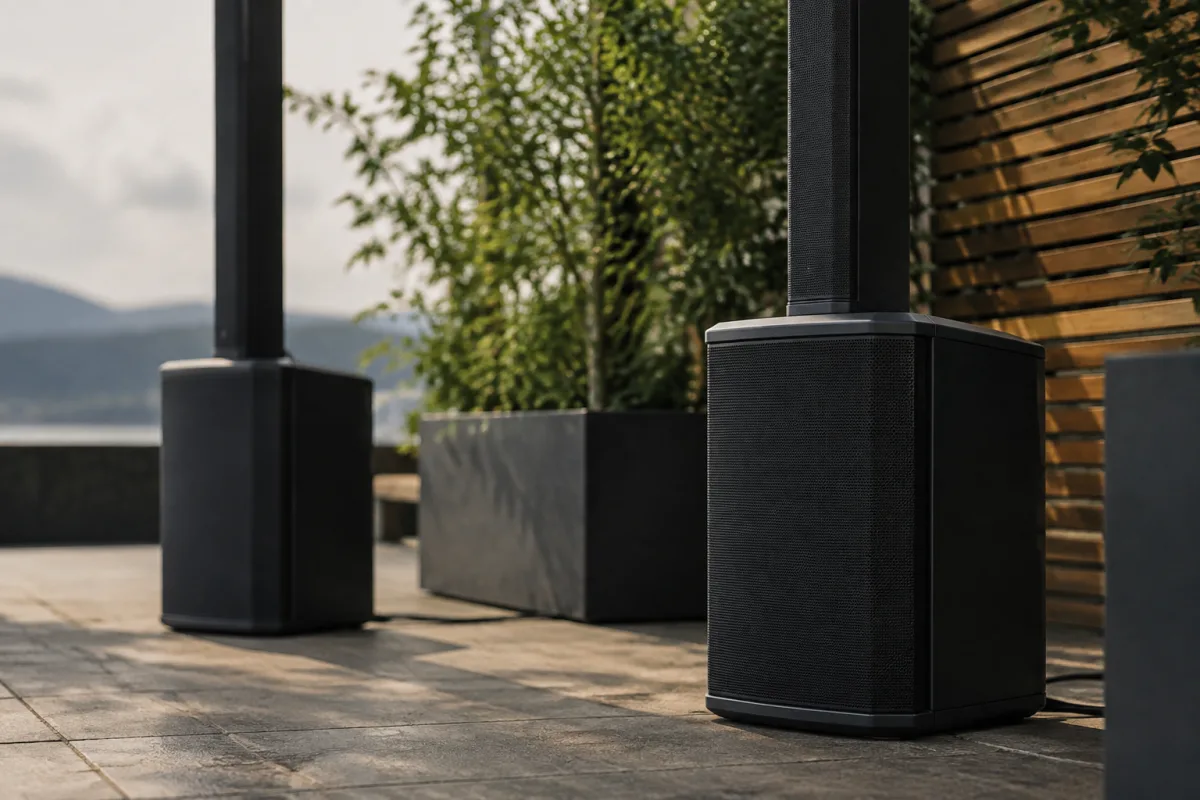
Bose is synonymous with premium audio quality, and their Bose PA speaker systems are among the most highly regarded in the sound reinforcement market. However, Bose's reputation for excellence comes with premium pricing, and simply having the Bose name doesn't mean every model fits your specific needs or budget. Choosing the right Bose PA speaker requires understanding what you're paying for, which models actually serve your application, and whether the premium cost delivers genuine value for your particular situation. This buying guide helps you make an informed decision about Bose PA systems and whether they justify the investment.
Why Bose Commands Premium Pricing
Bose PA speakers cost significantly more than competing brands. Understanding what justifies this premium helps inform your purchasing decision:
- Sound quality: Bose has invested heavily in tuning their speakers for clean, reliable audio. Their frequency response and distortion characteristics are genuinely excellent
- Build reliability: Professional Bose PA systems are engineered for touring and repeated transportation. Durability over years of intensive use justifies the cost
- Design efficiency: Bose designs speakers to achieve high volume from moderate wattage. Smaller size and weight than competitors delivering comparable sound is legitimate engineering
- Professional reputation: Many event professionals specify Bose equipment because they trust reliability. This ecosystem effect partially drives pricing
- Brand cachet: Some of Bose's premium pricing reflects brand reputation rather than technical superiority. Be honest about whether you're paying for sound or for the badge
Bose delivers genuine quality, but not necessarily proportionally better than mid-tier competitors at half the price.
Bose PA Speaker Types and Applications
Bose manufactures several distinct PA speaker categories:
- S1 Pro and similar portable units: Lightweight, battery-powered all-in-one systems. Ideal for solo musicians, street performers, and mobile presentations. Exceptional value proposition for portability
- Panaray series: Professional-grade separates for serious installations. Higher wattage, greater customisation, touring-grade reliability. Significantly more expensive
- Compact systems: Mid-range options balancing portability with professional features. Popular for musicians and small venue owners
- Installation systems: Permanent or semi-permanent setups for clubs, theatres, and other fixed venues. Not portable; specifically designed for stationary use
Your application determines which Bose line makes sense. A small venue owner has different needs than a gigging musician.
Key Specifications When Comparing Bose Models
Evaluate these specifications across different Bose PA options:
- Power output (wattage): Bose typically achieves competitive volume from lower wattage than competitors. A 300W Bose often equals 400W+ from other brands in real-world performance
- Frequency response: Wider response (50Hz-20kHz or better) means fuller audio. Bose's response is typically competitive
- Coverage and throw: How far does sound travel? Venue size determines whether you need extended coverage
- Portability: Weight and size matter if you transport the system regularly. Bose's compact designs are genuinely useful advantages for mobile performers
- Input/output options: What audio sources can you connect? Wireless compatibility? Professional XLR inputs vs. consumer 3.5mm jacks?
- Expandability: Can you connect additional speakers later? Some Bose systems integrate multiple components; others are fixed standalone units
- Durability and warranty: Bose professional equipment typically includes extended warranty. Check what's included
Price Comparison: Bose vs. Alternatives
Bose PA systems typically cost 30-60% more than comparable competitors:
- Budget alternatives (£100-300): Similar power to Bose's S1 Pro but compromised build quality and sound refinement
- Bose S1 Pro and portable systems (£300-600): Genuinely excellent value in Bose's lineup. Strong competition here from brands like Roland and Yamaha at lower prices
- Mid-range Bose systems (£600-1500): Professional features; noticeable price premium over comparable brands
- High-end Bose Panaray (£1500+): Top-tier components; diminishing returns vs. professional alternatives from other brands
At every price point, competing brands offer comparable sound quality at lower cost. Bose's premium reflects design excellence, durability, and brand reputation as much as sonic superiority.
Application-Specific Recommendations
Different Bose models suit different needs:
- Solo acoustic musician: S1 Pro is excellent value. Genuine professional quality in an ultra-portable package. This is Bose's strongest competitive position
- Small club or cafe amplification: Mid-range Bose systems are overkill price-wise. Competitors offer equivalent performance at significantly lower cost
- Wedding entertainer or DJ: Bose's reliability is valuable if you perform weekly. Multiple years of heavy use justifies premium pricing
- Festival or touring band: Panaray systems deliver touring-grade reliability. If you're protecting equipment in hostile environments, Bose's durability has real value
- Fixed installation (club, theatre): Professional alternatives often deliver equivalent performance at lower cost. Consider whether Bose's specifications genuinely justify premium over competitors
Common Purchasing Mistakes With Bose PA
Avoid these typical pitfalls when considering Bose:
- Confusing brand reputation with technical superiority: Bose's quality is real, but not always proportionally better than mid-tier alternatives. Don't assume Bose is automatically the best choice
- Overlooking portability challenges: Even "compact" Bose systems have weight and size. Be realistic about whether you'll actually transport it regularly
- Paying for professional features you won't use: If you need simple volume amplification, entry-level systems serve adequately. Don't overpay for professional routing and mixing capabilities
- Ignoring alternative brands without fair comparison: Listen to Roland, Yamaha, and other professional alternatives in realistic conditions. You might discover comparable quality at lower cost
- Not testing before purchasing: Bose's reputation is solid, but personal preference matters. Request demonstrations or trials if possible
- Assuming bigger/more expensive Bose is better for your needs: The Panaray isn't inherently better than S1 Pro for solo musicians. Match the product to your application
Where Bose Delivers Real Value
Bose's premium makes sense in these scenarios:
- Portable systems for frequent touring: The S1 Pro's combination of quality and portability is genuinely hard to beat at the price point
- Professional reliability requirement: If you're performing weekly and can't afford system failures, Bose's durability and support justify investment
- Compact space with professional audio demands: Bose's efficiency means small systems deliver impressive volume
- Integrated systems where everything works seamlessly: Bose components integrate well together. If you're building a cohesive system, their ecosystem approach has value
Where Competitors Often Provide Better Value
Alternatives frequently make more sense:
- Fixed installations: Professional alternatives from Electro-Voice, JBL, or d&b audiotechnik often deliver comparable sound at lower cost when installed permanently
- Budget-conscious venues: If cost is primary concern, Bose's premium pricing doesn't justify selection
- Niche applications: Specialist brands often serve specific needs (line-array systems, subwoofer integration, etc.) better than general-purpose Bose systems
Making Your Purchase Decision
Follow this evaluation framework:
- Identify your exact application and typical venue conditions
- Determine wattage requirements and feature needs honestly
- Research Bose models matching your specs
- Compare directly with 2-3 competing brands at similar price points
- Listen to audio samples from all options in realistic conditions
- Consider total cost of ownership including transportation and maintenance
- Evaluate whether Bose's reputation and reliability justify premium vs. alternatives
- Read professional reviews and user forums for long-term reliability feedback
Bose PA speakers are genuinely excellent equipment. However, excellence doesn't automatically mean best value. Be willing to explore alternatives before deciding Bose's premium is justified for your specific situation. For comprehensive exploration of PA system selection, advanced sound reinforcement techniques, and comparing professional sound equipment brands, visit our complete guide to Bose PA speakers and professional audio systems.
Your final purchase should balance budget reality, durability needs, and genuine feature requirements. Bose delivers on quality and reliability; whether that justifies their premium depends entirely on your situation.


Comments