


Battery Powered PA article
The Ultimate Guide to Battery Powered Pa
A battery powered PA brings professional amplification anywhere. Explore options, runtime considerations, and how to choose the right portable sound system.
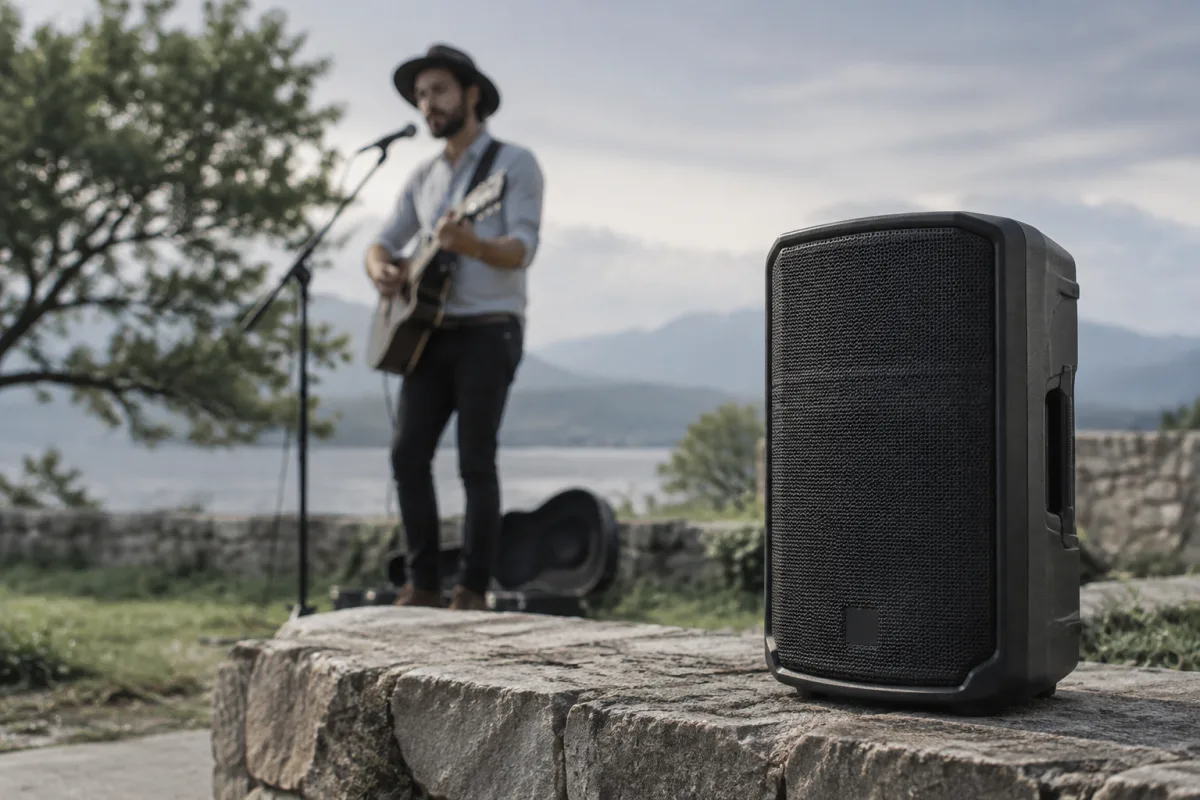
A battery powered PA system brings professional sound to anywhere, anytime. Whether you're running a street performance, outdoor event, or guerrilla gig without mains power, a battery powered PA delivers the volume and clarity you need without dependence on infrastructure. Modern battery systems have evolved dramatically, offering extended runtime and genuine professional quality that rivals AC-powered alternatives.
What is a Battery Powered PA?
A battery powered PA is a self-contained speaker system with built-in rechargeable batteries, eliminating the need for mains electricity. Most are portable, lightweight, and designed for mobility—perfect for busking, outdoor festivals, small venues, or remote locations. Unlike passive speakers that require separate amplifiers, a battery powered PA includes everything in one unit: amplifier, speakers and power supply.
Modern systems typically use lithium-ion batteries with runtimes from 4 to 24+ hours depending on size and usage patterns. This makes them practical for extended events or multiple sets without requiring charging infrastructure.
Key Features to Consider
| Feature | Impact on Use |
|---|---|
| Wattage and output | Determines volume ceiling and suitability for venue size. 50W suits intimate spaces; 500W+ handles medium venues |
| Battery capacity (mAh) | Defines runtime. Higher capacity = longer use. Check realistic runtime at typical volumes |
| Charge time | How quickly the system recharges. Fast charging (30–90 minutes) suits tight schedules; slow charging affects turnaround |
| Weight and portability | Essential for mobile musicians. Lightweight systems under 5 kg suit touring; heavier systems need transport |
| Input options | Bluetooth, aux, XLR, USB. More options mean compatibility with diverse devices and instruments |
| Sound quality | Some prioritize volume over fidelity; professional models maintain clarity at all levels |
Types of Battery Powered PA Systems
Compact systems (under 3 kg) suit solo performers and small venues. They're portable and affordable but limited in volume and bass response. Mid-range systems (3–10 kg) balance portability with performance, suiting most touring musicians and small events. Professional battery systems (10+ kg) deliver serious volume and fidelity but sacrifice ultimate portability.
Choosing the Right Output Power
For solo busking or small coffee shops, 50–100W is sufficient. Small venues and outdoor events need 200–400W. Larger outdoor events or festivals might require 500W+. Remember: perceived volume isn't linear; doubling wattage only increases loudness by 3dB, audibly noticeable but not dramatic.
More important than raw wattage is frequency response and speaker design. A 200W system with quality drivers and tuning sounds vastly superior to a cheap 500W system with poor acoustics.
Battery Technology and Runtime
Modern lithium-ion batteries power most battery powered PA systems. They're lighter, more efficient and longer-lasting than older nickel-cadmium technology. Realistic runtime depends on volume level: maximum volume consumes more power and drains batteries faster. At moderate volumes, many mid-range systems achieve 8–12 hours of runtime.
Check manufacturer specifications carefully. Many claim optimistic "standby time" rather than realistic playback time. Read independent reviews that test runtime at actual volumes.
Connectivity and Versatility
Most battery powered PA systems include Bluetooth, allowing wireless connection to smartphones, tablets and laptops. XLR and 1/4-inch inputs suit microphones, instruments and professional mixing consoles. USB connectivity enables direct computer playback. Multiple input options ensure compatibility regardless of your audio source.
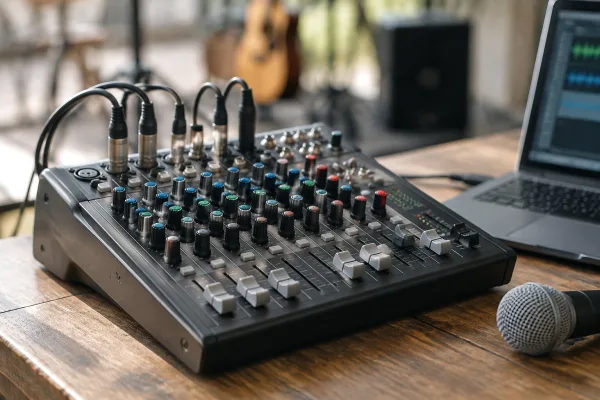
Some systems include built-in mixing capabilities, effects and equalization—useful for solo performers managing vocals and instruments simultaneously.
Practical Considerations
- Weather resistance: Outdoor use requires at least splash resistance. Premium systems offer IPX ratings for rain protection.
- Warranty and support: Batteries degrade over time. Ensure the manufacturer offers reasonable warranty and battery replacement options.
- Expandability: Some systems allow stacking or daisy-chaining multiple units for increased coverage.
- Charging infrastructure: Verify charge time and identify available power sources for your intended use.
- Sound optimization: Even quality systems benefit from microphone technique and eq adjustment for optimal results in different spaces.
Popular Battery Powered PA Options
Budget options under £200 deliver functional sound for home practise and small venues but compromise on durability and audio quality. Mid-range systems (£200–600) from manufacturers like Bose and Roland offer excellent reliability and sound quality. Professional systems (£600+) from brands like QSC and RCF deliver studio-grade fidelity in portable packages.
Maintenance and Longevity
Lithium batteries gradually lose capacity with charge cycles. Expect 80% original capacity after 500 cycles—roughly 2–3 years with regular use. Store batteries partially charged in cool environments to maximize lifespan. Avoid full discharge regularly; charging to 80% and stopping extends battery life significantly.
Amplification Alternatives
If a battery powered PA doesn't suit your needs, consider passive speakers powered by a separate battery amplifier, or traditional AC-powered systems with extension cables if electricity access is available. However, self-contained battery systems offer unmatched convenience for mobile musicians.
Conclusion
A battery powered PA frees musicians from electrical infrastructure while delivering genuinely professional sound. Choose based on your specific needs: solo busking requires different specifications than outdoor event coverage. Read independent reviews, listen to audio samples, and verify realistic runtime claims. With the right system, you can perform confidently anywhere, anytime—the true freedom of portable amplification.




Comments