


Headphone DAC Buying guide
Headphone Dac: A Complete Buyer's Guide
Choosing a headphone DAC means balancing power, connectivity, and sound quality against your budget. This guide covers essential specs, common pitfalls, and how to match a DAC to your headphones.
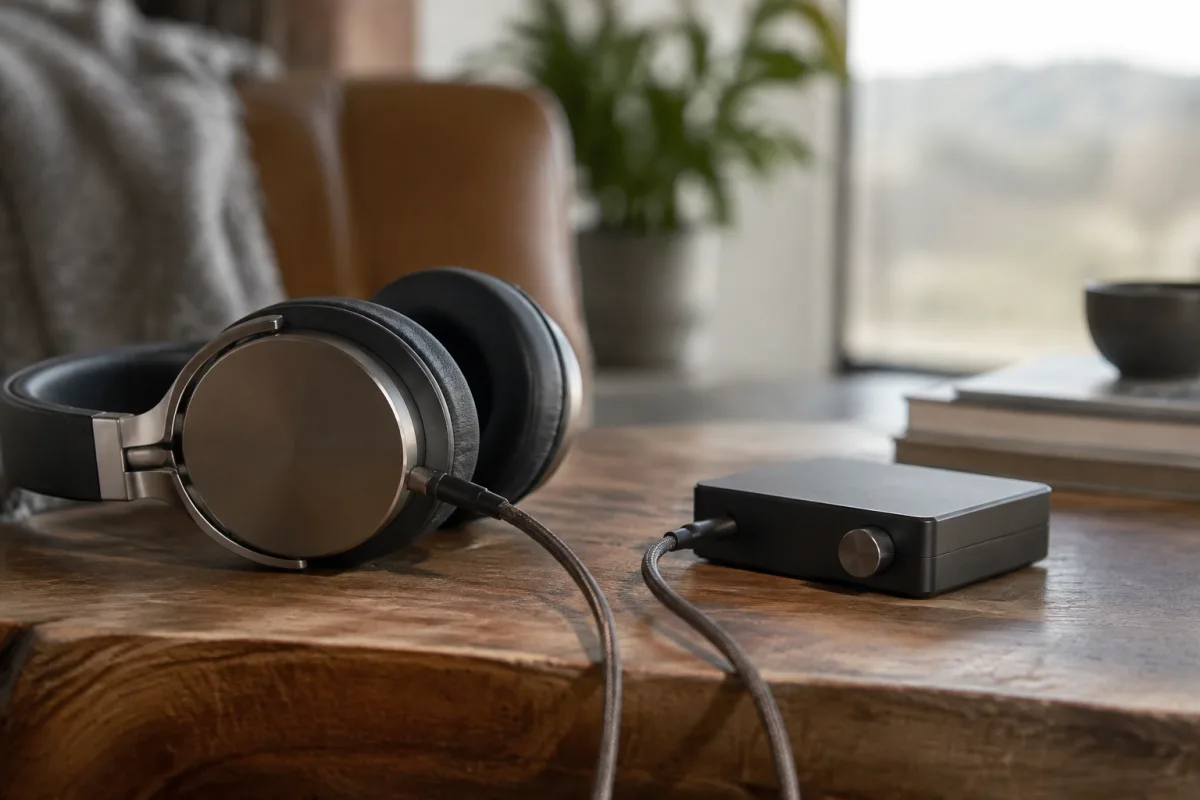
A headphone DAC transforms digital audio signals into sound, but choosing the right one requires understanding which features genuinely matter for your listening habits. Whether you're upgrading from built-in audio or evaluating your first dedicated headphone DAC, this buying guide cuts through marketing claims to focus on practical considerations that affect your purchase decision.
DAC Chip Quality and Implementation
The DAC chip itself is just one part of the equation. Two headphone DACs using identical chips can sound completely different based on how components around the chip are implemented. When evaluating a headphone DAC, examine the power supply design—quality capacitors and regulation circuits preserve signal purity. Check for evidence of proper grounding and layout; reputable manufacturers discuss their implementation openly. Read user reviews specifically asking about sound quality and whether listeners notice audible improvements over their previous setup. The best headphone DAC for your budget isn't necessarily the one with the most expensive chip name; it's the one where the overall design showcases genuine care in execution.
Output Power and Impedance Considerations
Your headphone DAC must deliver adequate power to drive your headphones properly. Check the output impedance rating—lower is generally better, typically under 1 ohm for quality units. This matters because a headphone DAC with high output impedance can colour the sound, particularly with lower-impedance headphones. Simultaneously, examine output power in milliwatts. Efficient headphones (like planar magnetics or high-impedance dynamic headphones) have different power requirements. If you're using 32-ohm efficient headphones, even 50 milliwatts is plenty; if you favour high-impedance studio headphones, you might need 200+ milliwatts. Mismatch between DAC power output and your headphone requirements results in either excessive volume swings (too much power into efficient cans) or insufficient drive (underpowered with demanding headphones).
Connectivity Options and Your Workflow
Consider how you'll connect sources to your headphone DAC. USB input is nearly universal, but verify it supports 24-bit and high-sample-rate audio if those matter for your music collection. Some headphone DACs include digital optical or coaxial inputs; these let you connect TVs, game consoles, or other sources without USB. Evaluate your primary use cases: are you primarily connecting a computer? A mobile phone? Multiple sources? The best headphone DAC for your setup accommodates your actual workflow without requiring adapter chains. Check whether the DAC supports MQA if you subscribe to Tidal—otherwise that feature is irrelevant to your decision.
Headphone Amplifier Quality
Many headphone DACs include integrated amplifiers—a sensible combination for single-unit convenience. Evaluate the amplifier implementation separately from the DAC section. Check whether the amp is discrete (better flexibility, potentially superior sound) or integrated into a chip (more compact, typically fine). Read reviews specifically about amplifier sound character—some users prefer warm-sounding amps, others prefer neutral. If you're buying a headphone DAC with integrated amp, the amplifier quality matters significantly to your overall satisfaction. If you plan to use an external headphone amplifier downstream, a minimal or simple onboard amp might suffice.
Price Tiers and Value Proposition
Budget headphone DACs (under £100) offer genuine improvements over built-in audio, particularly for desktop computers and laptops with poor onboard DACs. These units have competent DAC chips and basic but effective amplifiers. Mid-range options (£100–£300) introduce superior power supplies, better chip implementation, and more connectivity flexibility. Premium headphone DACs (over £300) prioritise exceptional power supplies, boutique chip choices, and refined amplifier design. Diminishing returns become apparent: a £150 headphone DAC offers maybe 70% of a £500 model's refinement, but at a fraction of the cost. Establish your budget and prioritise accordingly within that tier rather than stretching beyond your means.
Size, Portability, and Practicality
Desktop headphone DACs prioritise performance over portability and can be substantial units. Portable units for laptops or phones sacrifice some power and feature set for compact size. Define your primary use case: will this live on your desk permanently, or do you move it between rooms? If portability matters, confirm power source options—USB bus power works for low-power headphone DACs, but high-output units might require external power supplies. Battery-powered portable headphone DACs offer freedom from mains power but introduce maintenance (charging) and limited operation time. Consider practical factors like cable quality, input connectors, and build materials; a headphone DAC that feels flimsy or has cheap connectors will frustrate you regardless of sound quality.
Sampling Rate and Bit Depth Support
Modern headphone DACs support at least 24-bit 96kHz audio, which covers 95% of available music files. Some claim to support DSD or ultra-high-resolution formats (192kHz or beyond). If you don't own music in those formats, that capability is marketing rather than practical feature. Focus on reliable support for 16-bit 44.1kHz (CD quality) and 24-bit 96kHz across multiple input types. Some headphone DACs introduce jitter or timing issues when handling high sample rates—another reason user reviews matter beyond raw specifications.
Common Buying Mistakes
Don't assume specifications tell the whole story—a headphone DAC with impressive numbers on paper can sound worse than a simpler unit with better implementation. Avoid models with proprietary connectors or cables; they lock you into expensive replacements. Resist marketing language like "military-grade components"—genuinely good headphone DACs let sound quality speak for itself. Don't over-budget; diminishing returns are steep in this category. Finally, verify return policies before purchase; headphone DACs must integrate well with your specific setup, and mail-order returns save frustration if the unit doesn't match your expectations.
For comprehensive understanding of headphone DAC technology, capability, and how it fits into your audio chain, see headphone DAC explained: features, types, and tips, which covers the full technical landscape and selection criteria.
Making Your Selection
The best headphone DAC for your needs balances features against budget and integrates seamlessly into your existing setup. Start by identifying your budget tier, then read user reviews from people with similar headphones and use cases. Look for consensus about sound quality improvements and practical usability. Verify that connectivity and power output match your requirements. Test the unit if possible—spending thirty minutes listening will reveal whether the sonic character suits your preferences better than any review can. A headphone DAC is an investment in your listening experience; choose one that genuinely upgrades your enjoyment rather than merely adding another box to your desk.



Comments