
Marshall Amplifier Head article
The Complete Guide to Marshall Amplifier Head
The Marshall amplifier head revolutionised electric music by introducing high-power valve amplification that defined rock and metal tones for generations and shaped popular music's sonic landscape.
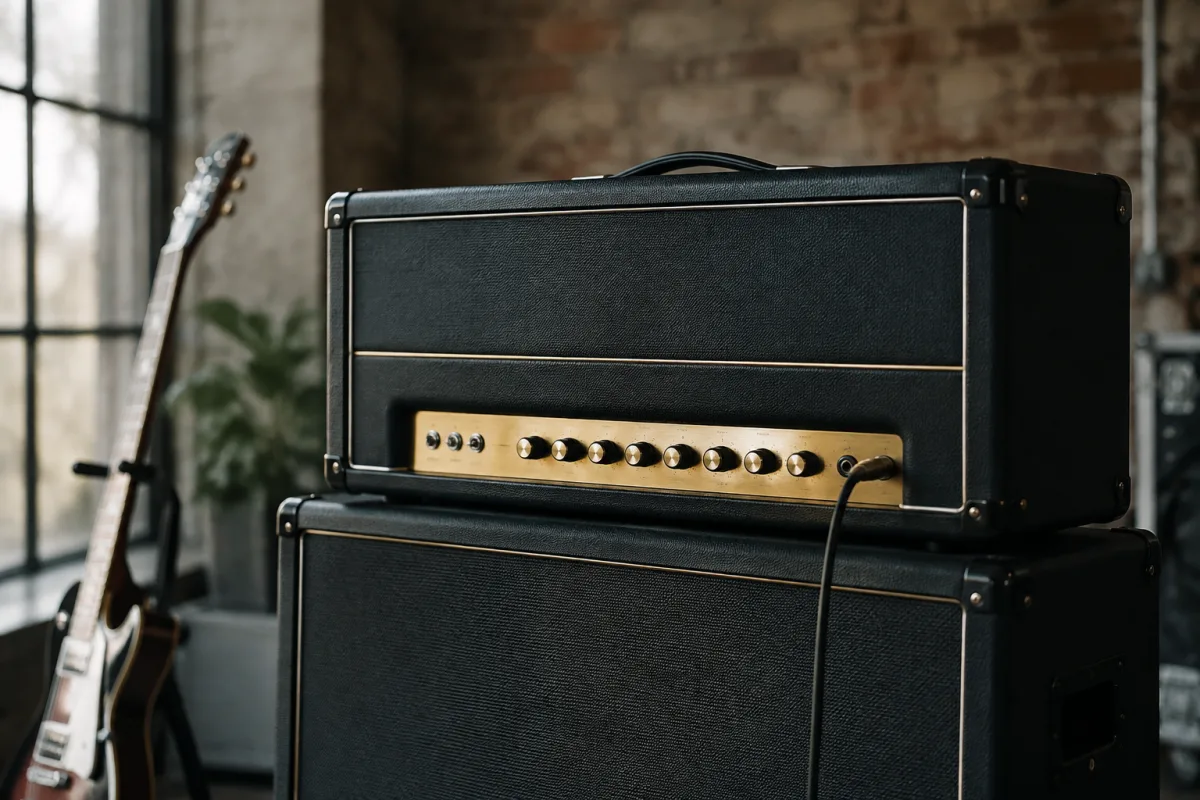
The Marshall amplifier head revolutionised electric music by introducing high-power valve amplification that defined rock and metal tones for generations. No amplifier commands greater cultural significance than the Marshall amplifier head, whose unmistakable roar echoes through decades of legendary recordings and arena concerts. From stadium rock to underground punk, the Marshall amplifier head has shaped popular music's sonic landscape more profoundly than perhaps any other piece of equipment.
The Marshall Amplifier Head Legacy
Jim Marshall founded Marshall Amplification in 1962, and within years the Marshall amplifier head established itself as the industry standard for guitarists seeking powerful, dramatic tone. The legendary 1959 Plexi design—a Marshall amplifier head delivering 100 watts of pure valve amplification—became the definitive rock amplifier, inspiring countless imitations but never truly matched. Players including Jimi Hendrix and Eric Clapton made the Marshall amplifier head inseparable from their sonic identity.
How a Marshall Amplifier Head Works
A Marshall amplifier head comprises three fundamental sections: preamp, tone stack, and power amp. The preamp stage boosts guitar signal and adds harmonic colouration—the Marshall amplifier head's famous aggressive character originates here. The tone stack—bass, middle, treble controls—shapes frequency response. The power amp section (typically four EL84 or EL86 valve tubes) amplifies final signal to speaker-driving levels.
The Marshall amplifier head's power output determines stage volume potential. Classic 50-watt heads suit small venues and recording studios. Modern 100-watt Marshall amplifier head models deliver stage volume without excessive physical mass, though true Marshall amplifier head character emerges at volume levels that drive valve output stages toward saturation.
Iconic Marshall Amplifier Head Models
Several Marshall amplifier head designs have achieved legendary status:
- 1959 Plexi — The definitive Marshall amplifier head, delivering 100 watts of classic valve tone. Vintage models command premium prices, though modern reproductions offer similar characteristics.
- JCM800 — The modern Marshall amplifier head standard, introduced in 1981 and refined continuously. Professional touring musicians worldwide favour JCM800 reliability and versatile tone.
- JCM900 — A Marshall amplifier head updated for 1990s metal and alternative music, offering enhanced gain and modern features whilst retaining classic Marshall amplifier head characteristics.
- Class A models — Lower-wattage Marshall amplifier head designs emphasising tone over volume, popular among blues and classic rock players.
Marshall Amplifier Head Tone Characteristics
The Marshall amplifier head produces instantly recognisable voice:
- Natural valve compression and harmonic saturation
- Aggressive preamp character emphasising midrange punch
- Powerful low-end response suitable for bass-heavy genres
- Sustain and feedback control at high volumes
- Responsive dynamics rewarding subtle playing technique
- Vintage aesthetic and proven professional reliability
Marshall Amplifier Head in Professional Use
Touring musicians specify Marshall amplifier head rigs because reliability matters more than any other factor. A Marshall amplifier head failing mid-tour becomes catastrophic—lost shows, cancelled venues, damaged professional reputation. Marshall's reputation for durability means a Marshall amplifier head typically outlasts multiple generations of musicians.
Recording studios maintain Marshall amplifier head collections as essential infrastructure. Classic recordings across rock, metal, and alternative genres utilise Marshall amplifier head microphone captures. The Marshall amplifier head's distinctive sonic signature distinguishes professional productions immediately.
Comparing Marshall Amplifier Head Versus Competitors
Fender, Vox, and Hiwatt produce respected amplifiers offering alternative tonal characteristics. Fender emphasises clean tone and moderate breakup. Vox specialises in vintage chime and natural compression. Hiwatt delivers maximum headroom and bright tone. The Marshall amplifier head differentiates through aggressive preamp character and natural saturation—a fundamentally distinct sonic philosophy.
Powering Your Rig With a Marshall Amplifier Head
A Marshall amplifier head requires appropriate speaker cabinets—typically 1x12, 2x12, or 4x12 configurations. Cabinet matching dramatically affects tone. 4x12 cabinets deliver maximum power handling and bass response. Smaller cabinets reduce stage footprint for touring. The Marshall amplifier head tone changes subtly with cabinet choice, encouraging experimentation.
Maintenance of Your Marshall Amplifier Head
Valve amplifiers require periodic maintenance. Have a qualified technician replace output tubes annually if the Marshall amplifier head sees regular professional use. Monitor preamp tubes—they typically outlast output tubes. Keep the Marshall amplifier head properly ventilated during operation and let cooling fans run several minutes after shutdown.
Valve replacement by inexperienced technicians risks equipment damage. Trust Marshall amplifier head maintenance to qualified specialists who understand valve bias and proper tube selection for your specific model.
Vintage Versus Modern Marshall Amplifier Head Considerations
Vintage Marshall amplifier head models (1960s Plexi designs) command premium prices but offer authentic character and legendary status. Modern Marshall amplifier head reproductions deliver similar tone with improved reliability and modern conveniences like built-in reverb and effects loops. Budget considerations and reliability preferences often favour contemporary Marshall amplifier head production.
The Marshall Amplifier Head's Continued Relevance
Decades after introduction, the Marshall amplifier head remains the professional standard. Modern genres from metal to indie rock employ Marshall amplifier head amplification. New generation musicians gravitate toward Marshall amplifier head tone as part of established rock tradition. The Marshall amplifier head's cultural significance transcends technical specifications—it represents commitment to proven, authentic tone.
Conclusion
The Marshall amplifier head stands as electric music's most iconic amplifier, delivering the powerful, dramatic tone that defined generations of rock and metal music. Whether pursuing classic rock authenticity or contemporary metal aggression, the Marshall amplifier head offers proven professional reliability and instantly recognisable sonic character. The Marshall amplifier head's enduring dominance reflects genuine tonal merit alongside cultural significance—a rare combination ensuring the Marshall amplifier head remains essential to serious musicians worldwide.



Comments