


Laney Bass Amplifier Buying guide
Laney Bass Amplifier: A Complete Buyer's Guide
Selecting a Laney bass amplifier requires understanding wattage, speaker configuration, and your actual playing context. This guide helps you find the perfect amp matching your needs and budget.
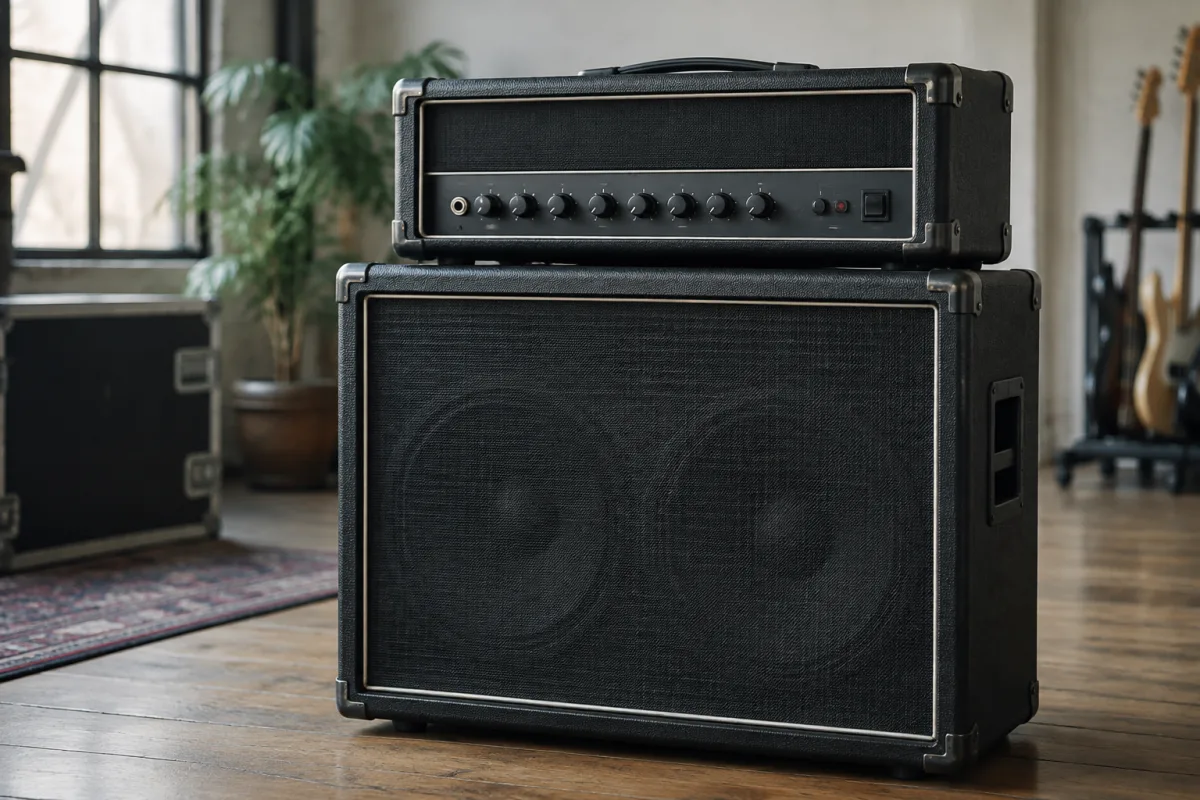
Selecting a Laney bass amplifier requires understanding wattage, speaker configuration, portability, and your actual playing context. A powerful rig intimidates on paper but becomes unwieldy in practice; an underpowered setup disappoints during rehearsals. This buyer's guide walks you through evaluating Laney bass amplifiers, helping you find the exact combination of power, tone, and practicality matching your playing needs and budget.
Understanding Wattage: Power vs. Perceived Volume
Bass amplifier wattage—measured in watts—directly impacts available headroom and tone character. Wattage doesn't correlate linearly with perceived volume. A 100-watt bass amp isn't twice as loud as a 50-watt amp; the difference is subtle. However, wattage deeply affects tone. More powerful amps handle complex bass harmonics with cleaner reproduction; underpowered amps compress and distort your tone under demanding playing.
For bedroom practice, 50–100 watts suffices. For rehearsals and small gigs, 200–300 watts is prudent. For large venues and demanding material, 500+ watts becomes necessary. Laney bass amplifiers span this entire range, allowing precise power selection. Don't assume "bigger is better"—choose wattage matching your actual playing contexts.
Speaker Configuration: Cabinet Size and Speaker Complement
Laney bass amplifiers pair with various cabinet options: single 15-inch speakers, stacked 10-inch speakers, or 2x10+1x15 hybrid configurations. Speaker count and size dramatically affect tone and portability. Single 15-inch cabinets sound warm and focused; multiple smaller speakers distribute sound more widely. Hybrid configurations balance warmth with versatile projection.
Larger cabinets require more physical space and weigh more—important considerations if you transport gear regularly. Compact cabinets sacrifice low-end depth for portability. Choose based on actual usage: if you play stationary venues, larger cabinets deliver superior tone. If you transport frequently, compact options make sense despite sonic compromise.
Three Price Tiers: Budget to Professional
Laney bass amplifiers exist at distinct price points reflecting power, features, and build quality:
- Budget tier (£300–£700): Entry-level combos and smaller amplifier heads suitable for learning and bedroom play. Tone is adequate, build quality is acceptable, and features are minimal. Good for hobbyists and bedroom musicians; limited for professional use.
- Mid-range tier (£700–£1,500): Quality combo amplifiers and head/cabinet combinations offering professional tone, reliable construction, and useful features. Most working bass players buy here, finding reliability and sonic capability without premium pricing. Great all-around choice.
- Premium tier (£1,500+): High-power amplifier heads, boutique cabinets, and specialty configurations. These deliver exceptional tone and durability for professional studios and demanding touring musicians. Reserved for serious professionals or collectors.
Combo vs. Head-and-Cabinet: Weighing the Trade-offs
Laney offers both integrated combos (amplifier and speaker in one unit) and separate head-and-cabinet configurations. Combos are simpler, more portable, and cheaper—perfect for beginners. Head-and-cabinet setups offer flexibility: upgrade your amp without replacing your cabinet, or vice versa. Professionals favour separate configurations; beginners benefit from combo simplicity.
Consider your transport and storage limitations. Combo amplifiers are bulky but self-contained. Separate heads and cabinets require transport coordination but allow using different cabinets with the same amp. Neither is objectively superior—choose based on your lifestyle and future upgrade intentions.
Essential Specifications to Evaluate
When comparing specific Laney bass amplifiers, examine these critical specs:
- Wattage at 4 ohms vs. 8 ohms: Different impedance loads affect wattage. A Laney rated at 300 watts at 4 ohms delivers less at 8 ohms. Check ratings for your actual usage impedance.
- Frequency response: Bass amps should reproduce 20Hz–20kHz comfortably. Anything narrower limits your tonal range. Most quality Laney amplifiers exceed these standards.
- EQ controls: Parametric EQ offers precise control; graphic EQ is more intuitive. Bass-specific controls (low mid scoop) are common. More controls mean more tonal flexibility but steeper learning curves.
- Output options: Can you run multiple cabinets simultaneously? Does the amp include both XLR and quarter-inch outputs? Flexibility supports future expansion.
- Cooling and ventilation: Tour-grade amps require aggressive cooling; bedroom amps manage with passive ventilation. Check that your choice's cooling strategy suits your environment.
- Foot switch availability: Quality amps include programmable foot switches controlling multiple parameters. Simpler amps require manual knob adjustment mid-song.
Common Buying Mistakes to Avoid
Learning from others' purchasing errors accelerates your decision confidence:
- Buying for future imagined needs rather than current reality: Purchasing a 500-watt rig because you "might" tour big venues wastes money. Start modest; upgrade as your playing demands increase.
- Ignoring weight and portability: Specs don't mention transportation difficulty. A 100-pound cabinet sounds impressive until you're loading and unloading it alone. Test gear's portability before committing.
- Assuming more controls equal better tone: Complexity doesn't guarantee superior results. Sometimes three knobs delivering your desired tone beat twelve controls requiring frustrating menu diving.
- Overlooking Laney's reputation for reliability: Laney amplifiers are known for durability and resale value. Buying discount no-name brands saves money initially but creates headaches through poor build quality.
- Not testing through your actual bass: Tone varies dramatically between bass types. Test a Laney bass amplifier with your actual instrument before purchasing, not through a shop demo bass. Your gear combination determines actual results.
- Ignoring cable and impedance compatibility: Mismatched impedance loads damage amplifiers. Verify your cabinet's impedance matches your amplifier's capabilities. Wrong cable routing ruins performance.
Testing Before Purchase
Always test a Laney bass amplifier before committing. Bring your bass to the music shop and play through your top contenders. Listen for clarity across the entire frequency range, responsiveness to your touch, and whether tone remains clean under aggressive playing. Ask the retailer about tone-shaping capabilities, then spend 10 minutes experimenting with EQ settings.
If buying used, request demonstration of full functionality—all knobs, all inputs, all outputs. Ask maintenance history and any repairs. Legitimate sellers provide this transparently; evasive sellers are warning signs.
New vs. Used Marketplace Wisdom
New Laney bass amplifiers come with warranties protecting your investment. Used models offer discounts but risk unknown maintenance history. Reputable sellers (established music retailers, Reverb.com dealers with high ratings) offer some recourse; private sales are bargains but risky.
Budget tier used gear holds 60–70% of original value. Mid-range models hold 70–80%. Premium models actually appreciate due to collectibility. This information helps you evaluate whether used pricing represents genuine savings or inflated overpricing.
For comprehensive guidance on Laney bass amplifiers and their integration with your bass setup and genre, explore our complete guide to Laney bass amplifiers, which covers tone-shaping techniques, maintenance, and creative applications across musical styles.
Your Laney Bass Amplifier Selection
Start by defining your actual playing context. Practice only? Choose budget-friendly options under £500. Rehearsals and small gigs? Mid-range amplifiers around £1,000 deliver both tone and reliability. Professional touring? Premium Laney models justify their investment. Select power matching your venues and headroom expectations. Test your shortlist through your bass, then choose the amplifier that sounds and feels right. You'll own a reliable instrument supporting your bass playing for years, knowing it was chosen thoughtfully rather than impulsively. That confidence matters more than specifications.


Comments