
Guitar to Amplifier Cable article
The Complete Guide to Guitar To Amplifier Cable
A quality guitar to amplifier cable represents essential equipment influencing tone quality and signal integrity. Understanding cable specifications, shielding and construction helps guitarists select cables that optimise their rig's sound and ensure reliable signal transmission.
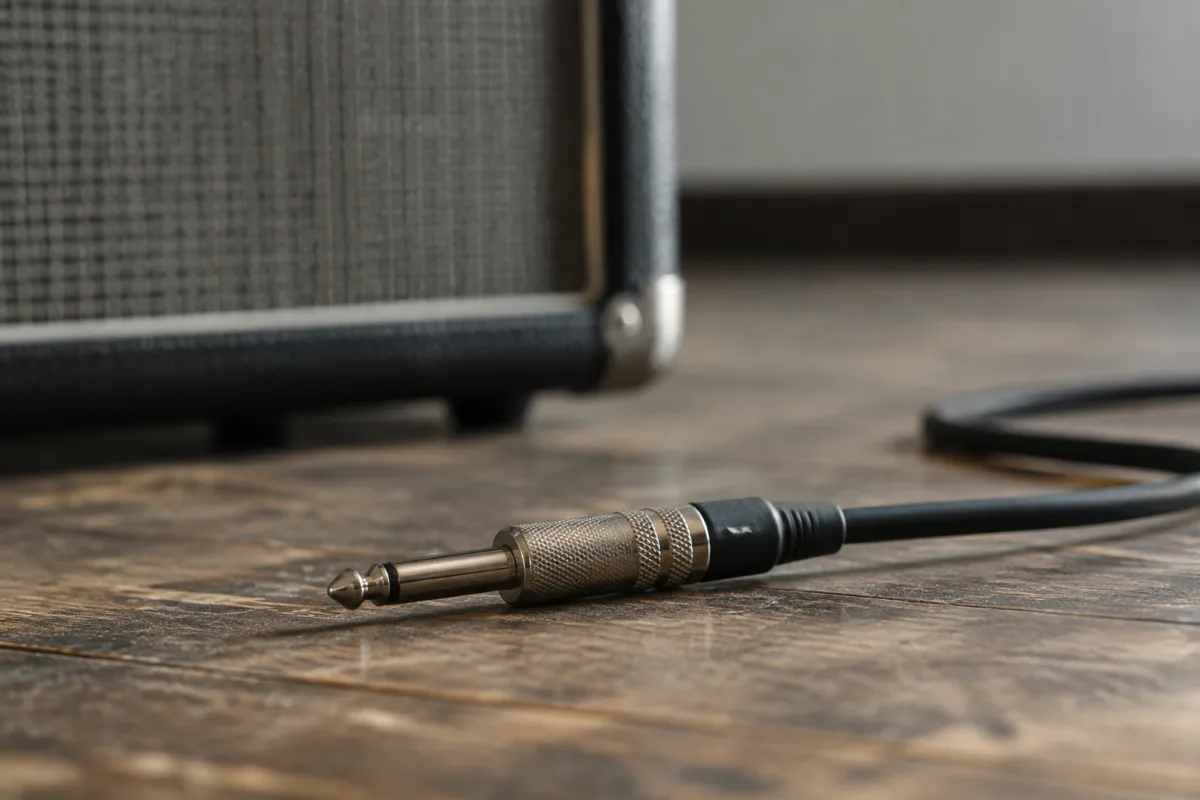
A guitar to amplifier cable represents one of the most fundamental components of any electric guitar rig. Despite its seemingly simple appearance, selecting the right guitar to amplifier cable significantly influences tone quality, signal integrity and overall playing experience. Understanding cable specifications, construction quality and proper maintenance ensures guitarists achieve the best possible sound whilst maintaining reliable signal transmission from instrument to amp.
Essential Components of Guitar to Amplifier Cables
Guitar to amplifier cables comprise several critical components working together to transmit electrical signals reliably. The central conductor, typically copper, carries the actual guitar signal. Surrounding this conductor is insulation that prevents signal loss and interference. A braided shield layer protects the signal from external electromagnetic interference. Finally, an outer jacket protects the cable from physical damage. Understanding these components helps explain why quality matters in guitar to amplifier cables.
The connectors at each cable end deserve particular attention. Standard quarter-inch (6.35mm) jacks with appropriate metal construction ensure reliable electrical contact. Poor-quality connectors introduce intermittent connections, creating crackling sounds and signal dropouts that frustrate musicians during performances. Premium guitar to amplifier cables feature high-quality connectors resistant to corrosion and mechanical wear.
Cable Length Considerations
Selecting appropriate cable length for your setup proves important for both practical and tonal reasons. Shorter cables—typically two to six metres—work well for studio recording and practice situations where guitars sit close to amplifiers. Shorter guitar to amplifier cable lengths minimise signal loss and electromagnetic interference pickup, maintaining maximum signal integrity.
Longer cables become necessary in live performance situations where amplifiers may sit on stage far from performers. Twenty to thirty-metre cables allow musicians freedom to move across stage whilst remaining connected. However, excessively long guitar to amplifier cables cause progressive high-frequency signal loss, resulting in duller, less articulate tone. Professional touring musicians typically use the shortest cable practical for their stage setup, minimising tone degradation.
Cable Quality and Signal Integrity
High-quality guitar to amplifier cables maintain signal integrity far better than budget alternatives. Better shielding prevents electromagnetic interference from nearby stage lighting, wireless systems and other equipment. Superior conductor materials and construction reduce internal signal loss. These technical improvements translate to noticeably clearer, more articulate tone with less noise. Professional musicians consistently choose quality guitar to amplifier cables as essential tone-shaping tools.
Poor-quality cables introduce noise, signal dropouts and tone degradation that even expensive amplifiers cannot overcome. A cheap guitar to amplifier cable can undermine an otherwise excellent rig. Conversely, high-quality cables optimise signal transmission, allowing amplifiers to reproduce guitar tones with maximum clarity and fidelity. This relationship between cable quality and tone quality justifies investing in premium cables.
Instrument Cable vs. Speaker Cable Distinction
An important distinction exists between instrument guitar to amplifier cables and speaker cables. Instrument cables connect guitars to amplifier inputs. Speaker cables connect amplifier outputs to speakers—these require very different electrical specifications. Using a speaker cable as a guitar to amplifier cable results in significantly degraded high-frequency response and poor tone. Conversely, using instrument cables for speaker connections risks overheating and component damage.
Guitar to amplifier cables are unbalanced cables with single-conductor design suited to high-impedance signals from guitars. This configuration differs substantially from balanced XLR cables used in professional audio systems. Understanding these distinctions ensures proper cable selection and optimal system performance.
Shielding and Noise Reduction
The shielding layer in guitar to amplifier cables protects signals from environmental electromagnetic interference. Stage lighting, wireless microphone systems and other electrical equipment generate electromagnetic noise. Inadequate shielding allows this environmental noise to contaminate guitar signals, resulting in audible hum and interference.
Double-shielded guitar to amplifier cables provide maximum electromagnetic interference protection, particularly valuable in challenging venue environments. This enhanced shielding proves especially important for lead guitarists seeking high-gain amplifier tone, where clean signal transmission becomes critical. Professional touring cables almost universally feature double shielding for maximum noise rejection.
Connector Types and Durability
Standard quarter-inch (6.35mm) phone plugs represent the industry standard for guitar to amplifier cables. These connectors feature simple design and universal compatibility across nearly all guitars and amplifiers. Variations exist—some feature right-angle designs for space-constrained applications, others feature gold plating for enhanced durability and conductivity.
Connector build quality directly influences cable longevity and reliability. Solid metal construction with tight tolerances ensures consistent connections and resistance to wear from repeated plugging and unplugging. Budget connectors often fail relatively quickly, creating frustrating intermittent connections or complete signal loss. Replacing corroded or broken connectors sometimes proves difficult if replacement jacks aren't readily available.
Cable Maintenance and Longevity
Proper storage and handling extend guitar to amplifier cable lifespans significantly. Avoid sharp kinks and coiling cables too tightly, which can damage internal conductors. Store cables in cool, dry environments away from extreme temperatures that degrade cable insulation. Regular visual inspection identifies cracks or damage requiring replacement.
Clean connectors periodically with contact cleaner to maintain reliable electrical connections and prevent oxidation. Avoid dropping or stepping on cables, which damages internal conductors. Replacing cable ends instead of entire cables extends equipment lifespan when connectors become damaged. Proper maintenance makes even budget-quality guitar to amplifier cables last several years.
Wireless Systems and Cable-Free Alternatives
Modern wireless guitar systems provide cable-free alternatives to traditional guitar to amplifier cables. These systems transmit signals via radio frequency, eliminating physical cables and providing stage freedom. However, most touring musicians maintain high-quality guitar to amplifier cables as backups, ensuring reliable connections if wireless systems fail. Professional touring rigs typically include both wireless systems and quality hardwired cables.
Wireless guitar systems introduce subtle latency and potential signal dropout. Some musicians prefer the absolute reliability and zero latency of hardwired guitar to amplifier cables, particularly in critical studio recording situations or performances where absolutely consistent sound is essential.
Conclusion
A quality guitar to amplifier cable represents essential equipment for any serious guitarist. Investing in properly constructed cables with quality connectors and adequate shielding ensures optimal tone quality and reliable signal transmission. Whether recording in studio settings or performing on large stages, the right guitar to amplifier cable proves fundamental to achieving your best possible tone and maintaining consistent, interference-free signal throughout your rig.


Comments