
Digital Drum Amplifier article
The Complete Guide to Digital Drum Amplifier
Digital drum amplifiers revolutionise how modern drummers amplify and process their kits, offering unprecedented control over sound shaping, tone customisation and portability.
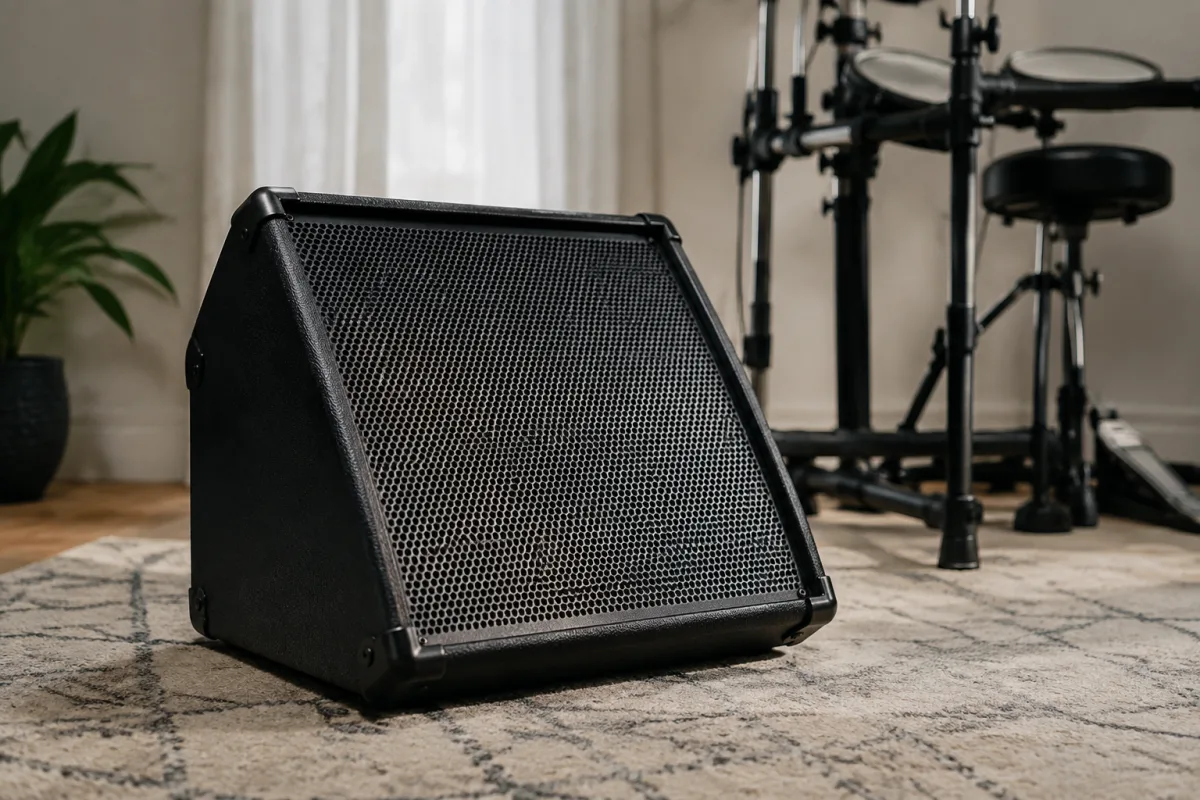
Digital drum amplifiers have revolutionised the way modern drummers amplify and process their acoustic and electronic kits. Unlike traditional acoustic amplification methods, digital drum amplifiers offer unprecedented control over sound shaping, tone customisation and portability. Whether you're a gigging musician, studio professional or practice enthusiast, understanding the capabilities and features of digital drum amplifiers can significantly enhance your sonic palette.
What is a Digital Drum Amplifier?
A digital drum amplifier is a specialised audio device designed to amplify and process drum sounds using digital signal processing (DSP) technology. Unlike general-purpose bass or guitar amplifiers, digital drum amplifiers are engineered specifically for the frequency ranges and dynamic characteristics of drums and percussion instruments. They typically feature built-in effects, tone-shaping tools and monitoring capabilities that allow drummers to sculpt their sound in real time.
The core distinction between digital and traditional drum amplifiers lies in their signal processing architecture. Traditional drum amps rely on passive or analogue circuitry to amplify the raw drum sound, whereas digital drum amplifiers employ sophisticated microprocessor technology to analyse, process and output the audio signal with precision and flexibility.
Key Features of Digital Drum Amplifiers
When selecting a digital drum amplifier, several features set apart quality units from basic models. The following components typically define a modern digital drum amplifier:
- Multiple input channels: Most digital drum amplifiers include separate inputs for kick drum, snare, toms and overhead microphones, enabling independent processing of each element.
- Built-in DSP effects: Compression, reverb, delay, EQ and gating tools allow detailed sound customisation without external processors.
- Monitoring outputs: XLR and 1/4-inch outputs facilitate integration with mixing consoles and recording interfaces in both live and studio environments.
- Headphone outputs: Direct headphone connectivity enables private monitoring during rehearsals or recording sessions.
- MIDI control: Many units accept MIDI input, allowing drummers to trigger samples, loop backing tracks or manipulate effects parameters via foot controllers.
- Wireless connectivity: Bluetooth and Wi-Fi capabilities enable remote control via tablet or smartphone apps on contemporary models.
Amplification Power and Speaker Configuration
Digital drum amplifiers are available in a wide range of wattages, typically spanning from 50 watts for intimate practice spaces to 500 watts or beyond for large venues. Speaker configuration varies significantly depending on intended application:
| Wattage Range | Typical Use Case | Speaker Size |
|---|---|---|
| 50–150W | Home studio, rehearsal, small venues | Single 10" to 12" woofer |
| 200–300W | Medium venues, touring musicians | Twin 12" or 15" woofers |
| 400W+ | Large festivals, arena touring | Dual cabinet configuration or stacked units |
Speaker selection is crucial because drums contain both low-frequency punch (kick drum) and high-frequency detail (cymbals and rim clicks). Dual-driver configurations—combining a woofer for low-end clarity and a tweeter for high-frequency articulation—are standard on professional digital drum amplifiers.
Digital Processing and Sound Shaping
The primary advantage of digital drum amplifiers over traditional models is their sophisticated sound-shaping capability. Most units feature parametric or graphic equalisers allowing precise frequency adjustment. Compressors tighten the dynamic range, making quiet hits audible and controlling peak levels. Gate processors eliminate unwanted bleed and noise from adjacent drums, which is invaluable in live settings and studio recording.
Reverb and delay effects simulate acoustic spaces, transforming the drum sound from tight and punchy to spacious and ethereal. Some premium digital drum amplifiers include modelled effects based on classic hardware units, capturing the sonic character of vintage compression and reverb gear without the weight or cost of physical outboard equipment.
Live Performance vs. Studio Use
Digital drum amplifiers serve markedly different roles in live and studio environments. In live performance, a digital drum amplifier provides the band with a dedicated drum submix, freeing the front-of-house engineer to focus on vocal and guitar monitoring. Drummers can control their own personal monitor mix via a headphone output, enabling tight ensemble playing regardless of stage volume fluctuations.
In the studio, a digital drum amplifier functions as both a monitor tool and an effects processor. Recording engineers often record the raw drum kit to tape whilst simultaneously using the amplifier's processing chain to create a parallel drum submix for the final mix, blending the dry and processed signals to achieve depth and character.
Choosing the Right Digital Drum Amplifier
Selection hinges on several practical considerations. Budget is fundamental—entry-level units start around £300–500, whilst professional touring-grade amplifiers exceed £2,000. Consider the venues where you perform most frequently: intimate clubs demand 100 watts or less, whereas 200–400-watt units suit touring bands playing mid-sized theatres and outdoor festivals.
Portability is often underestimated. A lightweight, compact digital drum amplifier appeals to gigging musicians who share transport with bandmates, whilst home studio users can accommodate larger, heavier cabinet designs. Input channel count matters significantly: a drummer using individual microphones for each drum element requires more inputs than one miking only kick and stereo overheads.
Examine the built-in effects and processing tools. If your musical style demands extensive reverb and spacious ambience, verify that the unit's algorithms sound natural and musical. Conversely, if you prioritise tight, controlled drum sounds, prioritise compressors and gates over exotic effects.
Conclusion
Digital drum amplifiers represent a significant evolution in drum amplification technology, offering unparalleled flexibility, sound control and integration capabilities for modern drummers. Whether amplifying acoustic kits in live venues, creating layered monitoring mixes in complex touring rigs, or crafting precisely processed drum sounds in the studio, a digital drum amplifier is an invaluable tool. By understanding the core features—processing capability, amplification power, input flexibility and effects options—you can select a digital drum amplifier perfectly suited to your musical needs and performance environment.


Comments