
Bass Combo Amplifier article
The Complete Guide to Bass Combo Amplifier
A bass combo amplifier combines amp and speaker in one portable unit. Discover wattage requirements, tone shaping, and essential features for practise and gigging.
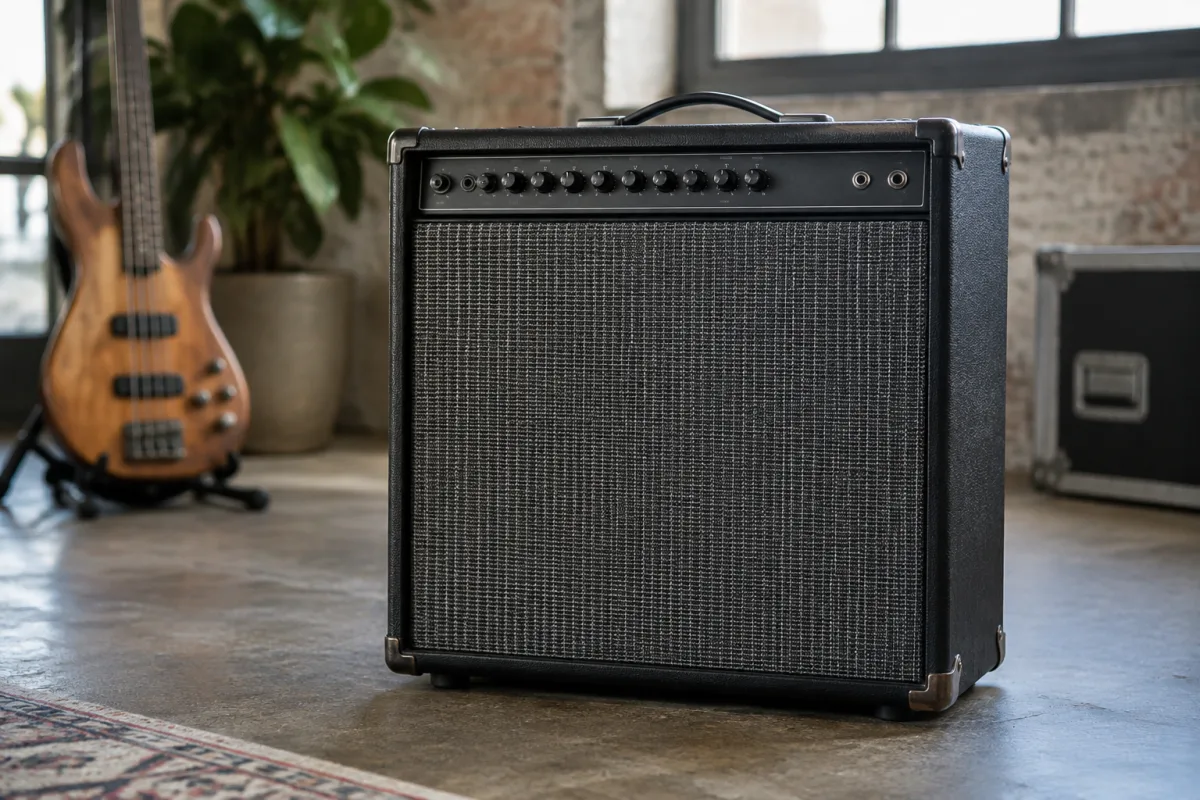
A bass combo amplifier combines an amplifier and speaker in one portable, self-contained unit—ideal for rehearsals, small gigs, and home practising without requiring a separate amplifier head and speaker cabinet. Modern bass combo amps deliver impressive power, tone shaping, and durability in a package that fits in a car boot, making them the practical choice for bass players who value simplicity and portability.
What Is a Bass Combo Amplifier?
A combo amp integrates the amplifier circuitry, power supply, and speaker(s) into a single cabinet. For bass players, this means plugging in your instrument and hearing your amplified tone immediately, without juggling separate heads and cabinets. The integrated design simplifies setup and transport, critical advantages for gigging musicians and practice-space-limited players.
Bass combo amps range from 25-watt practice units to 300+ watt powerhouse rigs. Output wattage translates roughly to volume capability—a 100-watt combo amps adequately handles a full band, whilst 40–60 watts suits rehearsals and smaller venues. Wattage alone doesn't determine perceived volume; speaker efficiency and cabinet design matter equally.
Key Specifications to Understand
Wattage indicates power output but not loudness directly. A 100-watt combo sounds roughly twice as loud as a 25-watt model, but doubling wattage requires ten times the increase to sound significantly louder to your ear. Choose wattage based on your typical use—25–40 watts for home practising, 60–100 watts for gigging, and 150+ watts for large venues or touring.
Speaker size affects tone character. Most bass combo amps use 12-inch or 15-inch drivers. A 15-inch speaker typically produces deeper, fuller bass but less articulation. A 12-inch offers punchier midrange and clearer definition. Some combos use multiple drivers—a 12-inch with a tweeter for example—blending characteristics for balanced tone.
Input options matter for versatility. Look for channels accommodating both instrument-level input and auxiliary line-in for playback tracks or backing machines. XLR outputs allow connecting to a house PA system for larger venues, critical for gigging musicians.
Types of Bass Combo Amplifiers
Portable practise combos (25–40 watts) prioritise compactness and affordability. These suit beginners, apartment dwellers, and players needing something genuinely portable. Tone-shaping controls are typically basic—volume, bass, treble—but adequate for learning and casual playing.
Mid-range combos (60–100 watts) balance power and portability. These handle rehearsals, small club gigs, and solid practise sessions with more sophisticated tone controls—parametric EQ, mid control, compression, effects—allowing nuanced sound customisation. Most serious amateurs and semi-professional musicians work with this category.
Powered combo amps (150–300 watts) prioritise volume and stage presence. Weigh considerably more but deliver the power needed for large venues and outdoor gigs. Often include onboard effects, multiple inputs, and professional connectivity options.
Tone and Amp Technologies
Solid-state amplifiers (transistor-based) are reliable, affordable, and lightweight. They deliver clean tone with good headroom for slap bass and fast finger styles. Solid-state combos dominate the market for good reason—low maintenance and dependable performance.
Tube amplifiers produce warm, compressed tone and natural breakup when driven hard, beloved by jazz and classic rock bassists. Tube combos weigh more, run hotter, and require occasional tube replacement, but many players prefer the organic tone. Budget accordingly for maintenance.
Digital modelling amplifiers emulate classic tube amp circuits and effects, offering vast tonal flexibility. These suit experimental players and modern bassists seeking diverse sonic options. Processing power means heavier weight despite smaller physical footprints.
Essential Features for Bass Combo Amplifiers
A direct output (XLR or 1/4-inch balanced) lets you connect directly to mixing boards at venues, bypassing your combo's speaker and sending a professional signal to house PA. This feature is essential for gigging musicians and significantly improves venue sound consistency.
Headphone output enables silent practising without disturbing housemates or neighbours. Practise amps and many mid-range combos include this, though higher-wattage models sometimes omit it.
Effects and EQ options shape tone beyond basic bass/treble controls. Parametric EQ, compression, overdrive, and reverb allow serious sound customisation. Decide which effects genuinely serve your playing style versus which are novelties you'll rarely touch.
Footswitch input allows controlling effects or switching channels with your foot during performance—valuable for gigging musicians changing tone between songs without kneeling to adjust controls.
Choosing the Right Bass Combo Amplifier
Identify your primary use. Practising at home? A 25–40 watt combo suffices. Gigging regularly? Invest in 80–100 watts minimum. Touring large venues? Look at 200+ watts. Mismatched wattage to usage creates either insufficient volume or wasted expense.
Budget matters significantly. Quality practise combos cost £200–£400. Gigging-class combos run £600–£1,500. Premium tube or boutique models exceed £2,000. Determine what features justify increased spending for your playing level.
Test before purchasing if possible. Tone is subjective—what sounds great to you may not suit another player. Visit music shops with diverse selections, or order from retailers with generous return policies.
Consider portability realistically. A 150-watt combo weighs 50–60 kilograms. If you're carrying it yourself regularly, lighter 60–80 watt options may prove more practical despite slightly less volume.
Using Your Bass Combo Amplifier Effectively
Start with volume low, then adjust to appropriate levels for your space. Loud doesn't mean better tone—properly matched volume to room size often sounds superior to cranked volume that overwhelms the space.
Use EQ to complement your bass rather than fighting its natural character. Excessive bass boost becomes muddy; too much treble sounds thin. Subtle adjustments to mids often prove more effective than extreme bass and treble.
Invest in quality cabling. Cheap instrument cables degrade tone and introduce unwanted noise. Good cables cost £15–£30 and are worth every penny for audible improvement.
Maintenance and Longevity
Keep your combo clean and away from moisture. Dust vents regularly to prevent internal heating. Store in stable temperature conditions—freezing and thawing damages components. Tube amps require occasional tube replacement (every 5–10 years depending on use), an affordable maintenance item.
Check speaker cones occasionally for damage. Minor tears can be temporarily sealed with speaker repair tape, but significant damage requires professional speaker reconing or replacement—still more affordable than replacing the entire amplifier.
The Bottom Line
A bass combo amplifier provides everything needed for practising, rehearsing, and gigging in one portable, self-contained unit. Choose wattage appropriate to your typical venues, prioritise tone character that matches your playing style, and ensure features—EQ, effects, direct output—align with your needs. The best combo amp is the one you'll actually use, carry without dread, and enjoy playing through night after night.


Comments