
Amplifier Heads article
The Complete Guide to Amplifier Heads
An amplifier head is the preamp and power amp engine without integrated speakers, offering modularity, flexibility, and tone control for professional musicians.
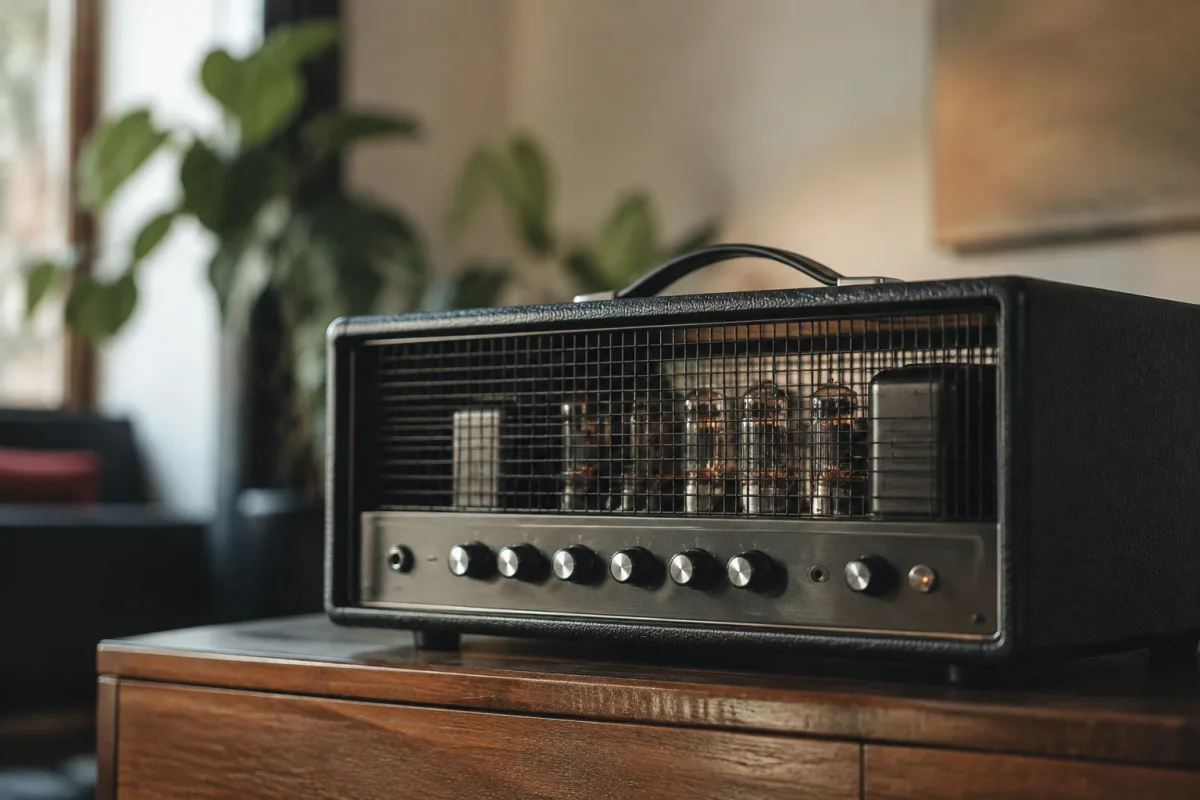
An amplifier head is the amplification engine of a two-part speaker setup, housing the preamp and power amp in one chassis without integrated speakers. Unlike a combo amp (which bundles the head and speaker), a separate head lets you match any cabinet you choose, tailor your tone with custom preamps, and upgrade components independently. For touring musicians, studio professionals, and anyone seeking flexibility and control over their rig, an amplifier head forms the heart of a modular, scalable sound system.
Amplifier Head vs. Combo Amp
A combo amp is all-in-one—head and speaker in one box, convenient and space-efficient. An amp head requires a separate cabinet, adding cost and complexity but offering flexibility. You can swap cabinets, pair multiple heads with different cabinets, or upgrade the head while keeping a familiar cabinet. Professional touring rigs almost always use heads; home players often prefer combos for simplicity.
Preamp and Power Amp Stages
An amplifier head contains two main sections: the preamp (which shapes tone) and the power amp (which amplifies the signal to drive speakers). Many heads let you swap preamp tubes or adjust preamp bias independently of the power section. This modularity is a core advantage—you can change tone character by swapping preamp tubes, or upgrade just the power amp without replacing the entire head.
Tube vs. Solid-State Heads
Tube heads use vacuum tubes for warmth, natural overdrive, and tonal character. They run hot, need ventilation, and require periodic tube replacement. Solid-state heads use transistors, stay cool, require no tube maintenance, and deliver consistent, predictable tone. Hybrid heads combine tube preamps (for warmth) and solid-state power amps (for reliability). Each approach has devoted advocates.
Wattage Options
Amplifier heads range from low-wattage (5W, 10W) for bedroom practice to high-powered (100W, 200W+) for large venues. Wattage does not directly correlate to volume—a well-designed 50W amp can be louder than a poorly designed 100W. Tube amps remain musical at lower volumes; solid-state amps need more wattage to reach comparable volume. For live performance, 50–100W tube or 100–200W solid-state is typical; for bedroom use, 5–30W suffices.
Outputs and Connectivity
A good amplifier head includes 1/4" speaker outputs (for connecting a cabinet), line-level outputs (for recording or PA systems), USB or optical outputs (for digital recording), and often a effects loop (allowing effects to sit between preamp and power amp). MIDI connectivity, footswitch inputs, and headphone outputs vary by model.
Tone Shaping and EQ
Most heads include three-band EQ (bass, mid, treble) or more sophisticated parametric controls. The quality of the EQ circuit significantly affects tonal possibilities. A great EQ section lets you dial in subtle shaping; a cheap section sounds thin and limited. Premium heads include multiple channels with independent EQ, letting you switch tones mid-song.
Portability and Weight
Amplifier heads are far lighter than combo amps, making them practical for touring. A typical tube head weighs 40–60 pounds; solid-state heads often weigh 30–50 pounds. The separate cabinet adds weight, but you can choose a lightweight design (1x12 or 2x12 combos under 40 pounds). Professional touring setups optimize for weight distribution and ease of transport.
Speaker Cabinet Pairing
An amplifier head's tone depends heavily on the cabinet it powers. A 1x12 cabinet (one 12-inch speaker) is portable but coloured toward mids. A 2x12 cabinet offers fuller tone and more bass response. A 4x12 cabinet (four 12-inch speakers) delivers massive tone and projection, common in rock and metal. Impedance matching (ohms) between head and cabinet is essential—mismatches can damage equipment.
Clean vs. Overdrive Character
A quality amplifier head retains clean tone until pushed; then it breaks up into musical overdrive or distortion. Cheap heads sound mediocre clean and worse overdriven. Great heads sound fantastic clean and reveal even more character as you push them. Tube heads typically excel at natural breakup; solid-state heads stay cleaner longer but offer less harmonic richness when pushed.
Professional and Studio Use
Studio and touring musicians favour amplifier heads for consistency, modularity, and tone control. You can maintain a beloved head for years, swap cabinets for different rooms, and upgrade power amps or preamps independently. A modular approach lets you build a rig that suits your exact needs rather than accepting a manufacturer's preset combination.
Cost and Investment
Entry-level amplifier heads cost £300–£800. Mid-range heads (£800–£2,000) offer better tone, build, and versatility. Premium or boutique heads (£2,000+) deliver exceptional tone and reliability. A cabinet adds £300–£1,500. Total rig investment ranges from £600 (budget head + basic cabinet) to £5,000+ (premium head + quality cabinet) or more for tour-grade equipment.
Conclusion
An amplifier head is the foundation of a modular, professional-grade amplification rig. Its flexibility to pair with different cabinets, upgrade components independently, and tailor tone makes it the choice for serious musicians. Whether you favour the warmth and character of tube heads or the consistency of solid-state, an amp head lets you build and evolve your sound to match your needs, venue, and artistic vision.


Comments