
Amplifier Guitar Marshall article
The Complete Guide to Amplifier Guitar Marshall
From Jimi Hendrix to modern rock stars, Marshall amplifiers have defined the sound of electric guitar. Explore the legendary history, distinctive tone, and wide range of models that make Marshall the gold standard in guitar amplification.
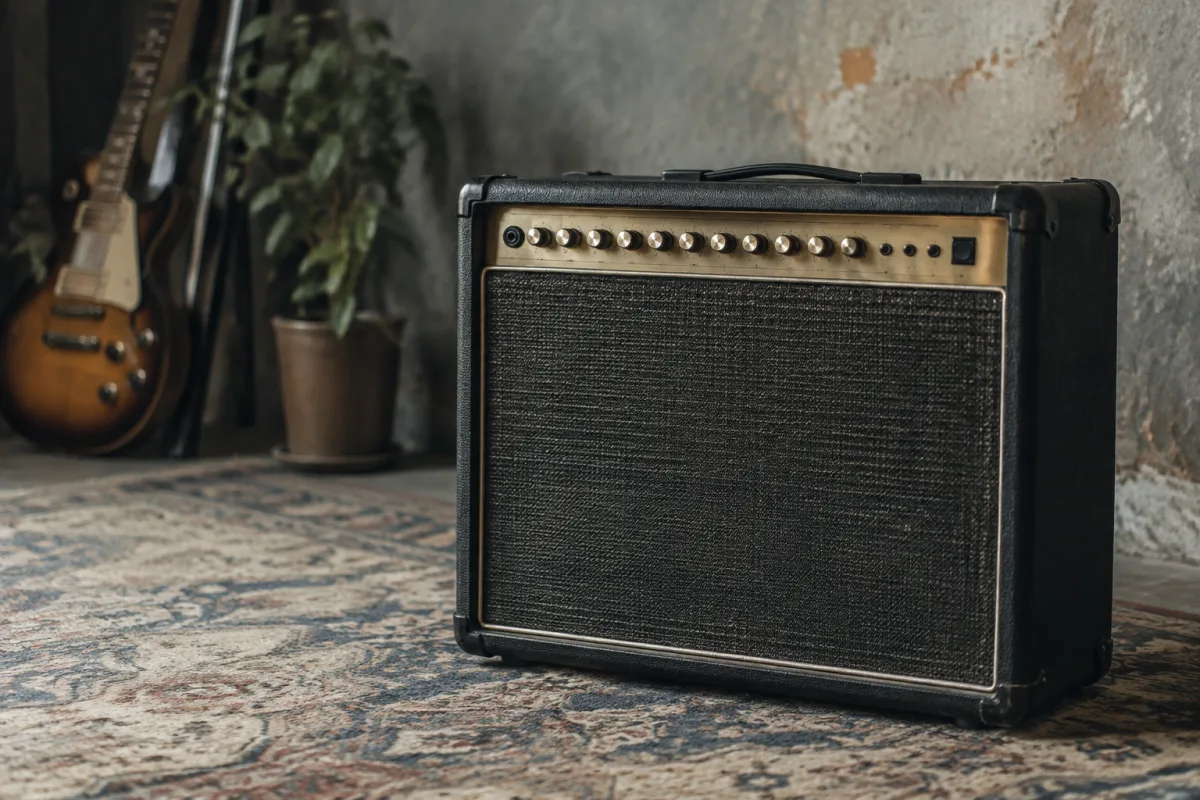
Few amplifier manufacturers carry the cultural weight and sonic authority of Marshall. For over six decades, these instruments have defined rock music, from stadium-filling power chords to nuanced studio performances. The amplifier guitar marshall has become synonymous with electric guitar amplification, embodying a unique blend of British engineering and rock attitude. Whether exploring legendary stacks or modern eco-friendly designs, these exceptional amplifiers represent the gold standard against which all others are measured.
The Legend of Marshall Amplification
The amplifier guitar marshall story began in 1960 when Jim Marshall, a South London drum shop proprietor, was approached by guitarist Pete Brown seeking louder amplification. Marshall's response transformed music history. In collaboration with engineer Dudley Craven, Marshall developed the JTM45, establishing the template that defines the brand today.
The legendary Marshall stacks of the 1960s emerged from this foundation. By 1965, the 1959 model cemented the brand's reputation—Jimi Hendrix chose these amplifiers for the Monterey Pop Festival, and their powerful, creamy breakup became inseparable from psychedelic rock. Throughout subsequent decades, Marshall remained the choice for rock guitarists worldwide, establishing a legacy transcending fashion and trends.
Understanding the Architecture
These amplifiers typically employ a three-stage topology: input stage (preamp), tone stack, and power amp. This architecture, refined over decades, creates the characteristic growl that professionals immediately recognise. Traditional designs employ EL84 power tubes for smaller wattages or EL34 tubes for larger stacks, each imparting distinct tonal characteristics.
The EL84-equipped smaller models deliver natural breakup at lower volumes, whilst EL34-based designs produce deeper saturation at higher volumes. This fundamental distinction influences tone shaping and practical application across different playing environments.
Amplifier Guitar Marshall Models and Categories
Marshall's product range spans numerous categories addressing different player needs, though all maintain the distinctive sonic character of the amplifier guitar marshall tradition:
- Original Series: The 1959 remains in production, representing the template for modern designs. Hand-wired construction ensures authenticity and classic character.
- JVM Series: Digital-controlled versions offering switchable channels with programmable memory, providing unprecedented tonal flexibility whilst maintaining signature sound.
- Plexi Reissues: Modern reconstructions capturing vintage character with contemporary reliability and consistency.
- Studio and Compact Options: Models like the Studio Vintage deliver authentic tone in studio-friendly, portable formats suitable for recording and bedroom practice.
- Eco-Friendly Designs: Modern options incorporating Class D technology reduce weight and power consumption whilst maintaining iconic character.
The Distinctive Sound
What defines the character of an amplifier guitar marshall? The brand's gain structure produces natural distortion beginning at moderate settings, with compression characteristics rewarding dynamic playing technique. The tone stack emphasises lower midrange frequencies, creating a "woody" quality absent in competing designs. This fundamental voicing makes these amplifiers suitable for everything from articulate funk rhythms to soaring lead solos, explaining their universal appeal.
The output transformer characteristics, developed during the 1960s, impart a specific harmonic colouration that players embrace or attempt to overcome. Modern boutique builders attempt capturing this quality, though the genuine Marshall experience remains distinctive and difficult to replicate convincingly.
Practical Considerations for Selection
Choosing the right amplifier guitar marshall requires balancing several factors. Wattage determines potential volume and how readily the amplifier achieves natural overdrive. A 50-watt model delivers more headroom than a 20-watt design, requiring higher volume settings to achieve desirable breakup. For studio recording and bedroom practice, lower wattages suffice; gigging musicians may prefer traditional 50 or 100-watt stacks despite portability challenges.
Modern options from this manufacturer offer unprecedented flexibility through digital control and amp modelling technology. Whilst purists debate whether digital switching compromises tone, contemporary designs provide reliability and tonal variety justifying their position in modern rigs. Budget constraints and personal philosophy regarding vintage equipment influence the ultimate choice between hand-wired originals and technologically advanced alternatives.
Marshall in Professional Music
The professional music world demonstrates Marshall's continued relevance and dominance. Stadium touring requires amplifiers capable of delivering reliable, consistent tone across numerous venues—these instruments' built-in redundancy and road-tested durability make them the default choice. Recording studios value the known sonic characteristics of the amplifier guitar marshall, which require minimal technical intervention to achieve professional results.
Session musicians appreciate that playing through recognisable Marshall equipment facilitates quick tone-shaping and artistic expression during time-sensitive recording sessions. From intimate blues clubs to massive rock festivals, these amplifiers continue proving their versatility and reliability across musical contexts.
The enduring success of Marshall amplification reflects fundamental truths about the relationship between amplifier characteristics and musical expression. As long as guitarists pursue powerful, expressive tone, these instruments will remain the standard reference point, defining possibilities and inspiring new generations of musicians to explore the full potential of electric guitar amplification.



Comments