
Amplifier for Speaker article
The Complete Guide to Amplifier For Speaker
Discover how to select the perfect amplifier for your speaker system. Understand power ratings, impedance matching, technology options, and setup requirements.
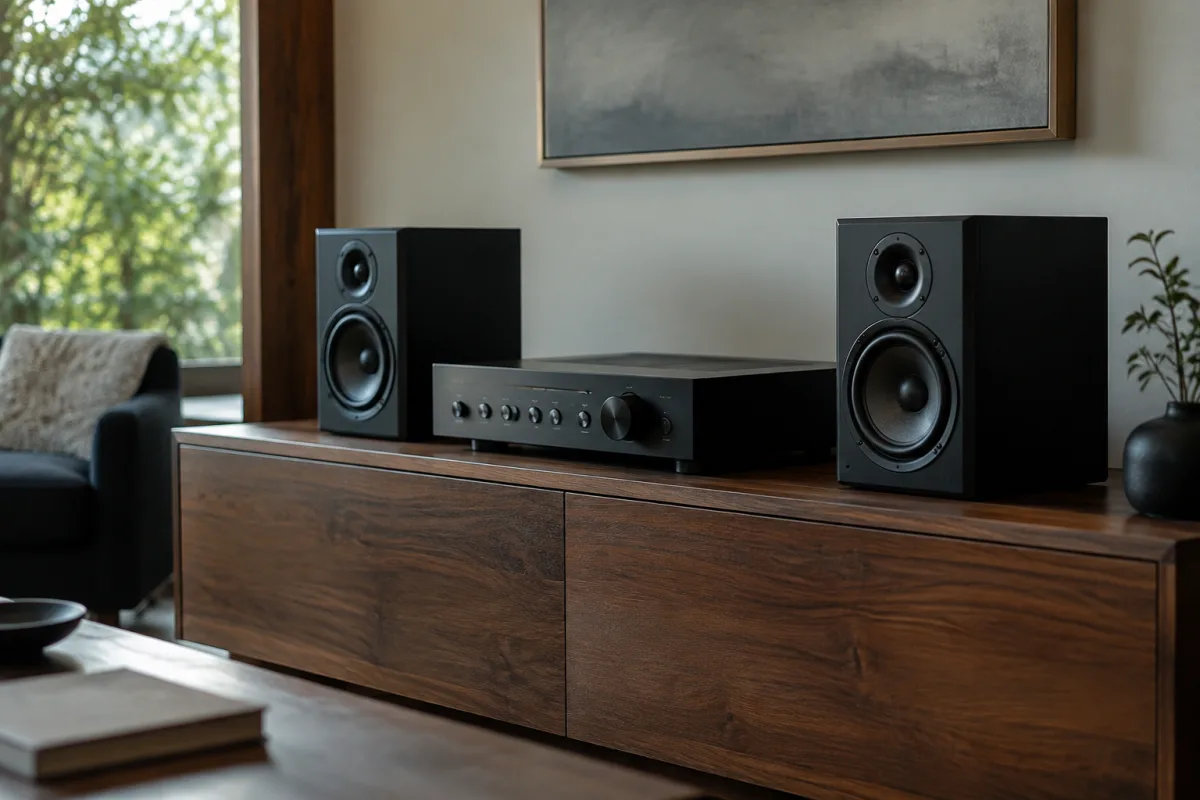
A quality amplifier for speaker systems represents a critical component in any serious audio setup, directly determining how faithfully reproduced music emerges from connected loudspeakers. The seemingly straightforward task of selecting such a device involves navigating numerous technical specifications, power ratings, impedance considerations, and connection types. Quality units must balance power output, signal integrity, build quality, and value for money. Whether building a compact bedroom system or comprehensive home theatre installation, understanding amplifier characteristics enables informed purchasing decisions that significantly enhance listening enjoyment and sound reproduction quality.
Understanding Power and Speaker Matching
An amplifier for speaker use must provide sufficient power to drive the connected loudspeakers effectively. Power specifications, measured in watts, represent only one aspect of capability—such devices also require consideration of impedance matching and speaker sensitivity. A 50-watt amplifier paired with high-sensitivity speakers might produce significant volume, whilst the same power driving low-sensitivity speakers produces modest results. The relationship between power output, speaker impedance, and sensitivity determines practical volume capabilities and audio fidelity.
Impedance, measured in ohms, represents the electrical resistance speakers present to amplification equipment. Standard impedances include 4, 6, and 8 ohms. Amplifiers designed for specific impedance ranges deliver their rated power only when connected to speakers of matching impedance. Selecting equipment requires confirming impedance compatibility—a mismatch risks amplifier damage or poor performance.
Technology Options for Speaker Amplification
Modern designs employ either tube (valve) or solid-state (transistor) technology, each offering distinct sonic characteristics. Tube amplifiers, historically standard, produce warm, musically engaging tone many audiophiles prefer, though they require more maintenance and consume more electricity. Solid-state units, employing transistors, offer reliable, efficient operation with minimal maintenance. Digital Class D amplification represents the newest technology, employing switching methods delivering exceptional efficiency in compact packages.
An amplifier for speaker applications might also incorporate integrated features—preamplifier stages, tone controls, input selection switches, or digital connectivity. Integrated amplifiers combine amplifier and preamplifier functions in single units, simplifying setup and reducing component count. Separates (distinct amplifier and preamplifier units) offer greater flexibility and superior sound quality for demanding audiophiles, though they require more complex installation and higher investment.
Connection Types and System Integration
Proper connection options enable effective signal transfer from audio sources to speakers. Analogue RCA (phono) connections remain standard for connecting turntables, CD players, and other traditional sources. Balanced XLR connections, common in professional audio, provide superior noise rejection for longer cable runs. Digital connections like optical SPDIF or USB enable direct connection to contemporary sources like computers and streaming devices.
Wireless connectivity increasingly features in modern designs. Bluetooth-enabled units permit streaming from smartphones and tablets without cables. WiFi-capable equipment supports AirPlay and DLNA streaming protocols. When selecting an amplifier for speaker installation, considering connectivity options ensures compatibility with your existing equipment and future upgrades.
Practical Selection Criteria
Choosing appropriate equipment requires balancing budget, listening environment, and performance requirements. A modest bedroom amplifier might require only 20-30 watts, whereas large room applications might demand 100+ watts. The selection process becomes simpler by first identifying your specific needs: desired volume levels, listening distance, speaker impedance, and available budget.
Build quality and component selection distinguish premium designs from budget options. Quality power supplies, high-grade capacitors, and robust transformer construction contribute to sonic performance and reliability. Equipment from established manufacturers typically offers superior performance and longevity compared to cheaply made alternatives, justifying higher initial investment through years of reliable service.
Maintenance and Care Considerations
Tube amplifiers require periodic maintenance—tube replacement, transformer inspection, and biasing adjustment. Solid-state designs demand minimal care beyond occasional dusting and ensuring proper ventilation. Such devices should never be covered whilst operating, as heat dissipation is critical for reliable operation. Proper placement with adequate clearance around vents ensures maximum component lifespan.
Impedance stability and load matching remain critical for equipment longevity. Never operate an amplifier for speaker applications into impedance loads below the specified minimum, risking damage. When connecting multiple speakers, verify that parallel or series connections create appropriate impedance values within the rated range.
Contemporary Options and Choices
Modern options span an enormous price range and performance spectrum. Budget-conscious listeners find capable integrated amplifiers under £200. Enthusiasts might invest £500-2000 in quality separates. High-end audiophiles regularly spend £5000+ on exotic designs. Selection ultimately depends on personal priorities and financial constraints rather than objective superiority.
An effective amplifier for speaker systems matches your specific requirements rather than pursuing the most expensive option. Smaller rooms require less power than large spaces. Efficient speakers demand less capability than inefficient designs. Quality cable connections and speaker placement often impact sound quality more significantly than equipment specifications alone.
Your amplifier for speaker installation represents a long-term investment in listening enjoyment, worthy of careful consideration. By understanding fundamental concepts—power, impedance, connection types, and technology options—listeners make informed choices leading to satisfying audio systems that provide years of enjoyment and musical engagement.


Comments