


Active Speakers Hi-Fi article
Active Speakers Hifi for Beginners: A Complete Guide
Starting with active speakers hifi is simpler than you think. This guide for nervous beginners covers setup, first steps, and mistakes to avoid.
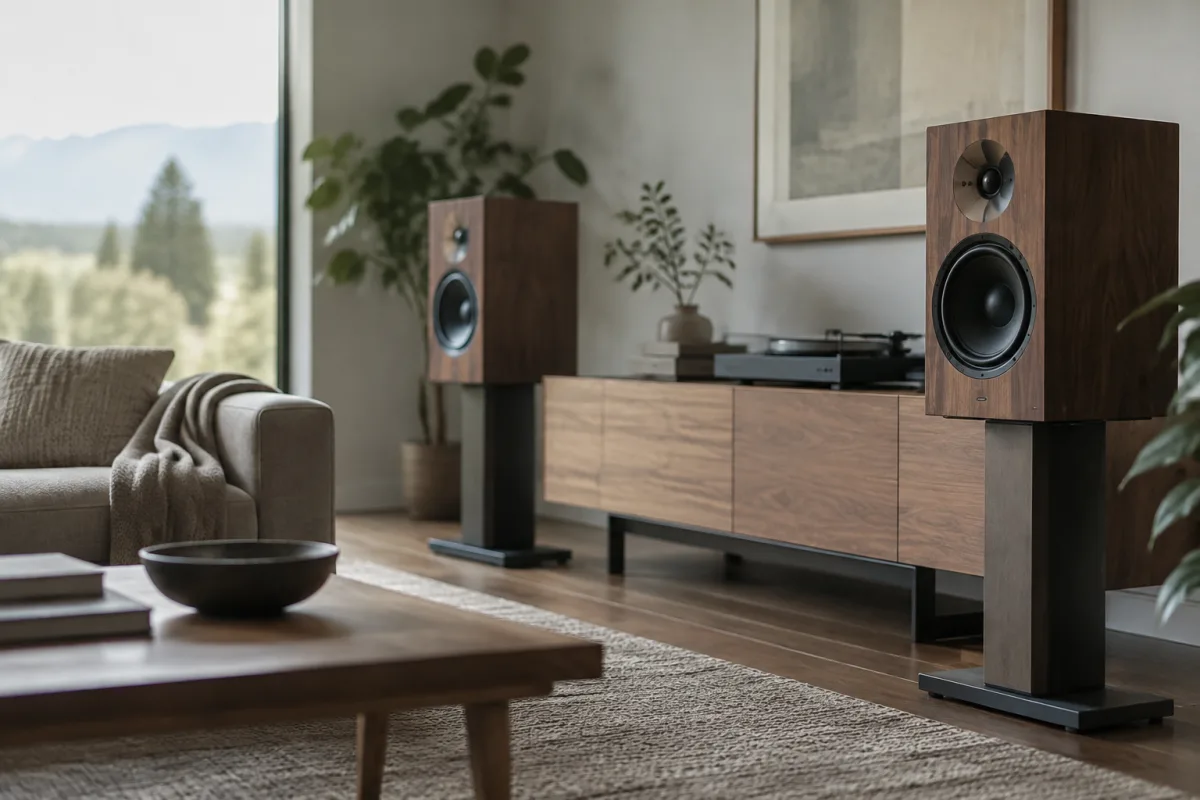
Thinking about upgrading to active speakers hifi for your home? You're in for a treat. The jump from passive speakers to active speakers hifi can feel daunting if you're new to audio, but it's genuinely one of the most rewarding upgrades you can make. This guide is designed for first-timers—those ready to take the plunge but unsure about the practical steps and common pitfalls. By the time you finish reading, you'll have the confidence and knowledge to get started with active speakers hifi in your own space.
Why Active Speakers Are Perfect for Beginners
Active speakers hifi systems eliminate complexity from the audio chain. Unlike passive speakers, which require a separate amplifier, active speakers have built-in amplification tuned specifically for the drivers in the cabinet. This means you can connect your music source directly to the speakers with fewer cables, fewer connections to worry about, and fewer things that could go wrong. For someone just starting out, this simplicity is genuinely liberating.
The real comfort of active speakers hifi is that the manufacturer has already done the hard work. The amplifier inside is matched to the drivers, the cabinet is acoustically optimised, and everything is balanced at the factory. You're not cobbling together components and hoping they work together—it's already a cohesive system. This approach takes the anxiety out of getting started.
The Basics: What You Actually Need
Here's the good news: setting up active speakers hifi requires surprisingly little. Before you feel overwhelmed by technical jargon, let's focus on what you genuinely need to get playing music:
- A pair of active speakers hifi – Choose speakers appropriate to your room size and budget. They'll handle amplification internally, so no separate amp needed.
- A source device – Computer, smartphone, turntable, or streaming device. Anything that plays audio will work.
- One audio cable – Usually a standard 3.5mm jack or RCA cable, depending on your source and speakers.
- Power cables – One for each speaker. They plug into the mains like any other device.
- Optional: speaker stands or isolation pads – These improve sound quality but aren't essential to get started.
That's genuinely it. No receiver to buy, no separate amplifier, no confusing configuration. Just speakers, a cable, and your music.
First Steps to Getting Started
The beauty of active speakers hifi is that they're intuitive. Here's how to approach your first setup:
Step 1: Choose Your Placement
Think about where you'll be listening most often. Active speakers hifi perform best when they're positioned symmetrically around the listening area. If you're setting up a desk system, place speakers on either side at ear level. For a living room, position them equally distant from your listening sweet spot. The key principle is balance—equal distance and angles from where you sit create the most natural, immersive soundstage.
Avoid pushing speakers into corners or against walls without thought. Corners amplify bass, which muddy the sound. If your room demands a less-than-ideal placement, many active speakers hifi models include built-in bass controls or room-correction features to help compensate.
Step 2: Connect Your Source
Most active speakers hifi have multiple input options: USB, 3.5mm aux, RCA, or even Bluetooth. Choose whichever matches your source device. For example, if you're playing music from a laptop, use the 3.5mm headphone output into the speaker's aux input. If you're using a streaming device with Bluetooth, simply pair it. The simplicity here is genuinely refreshing compared to traditional setups.
Step 3: Power Them On and Start Playing
This is where it gets exciting. Plug in your speakers, turn them on, and play your favourite track. Don't panic if the sound feels a bit different from what you're used to—your ears will adjust within the first few minutes. Active speakers hifi are designed to reveal detail, which means imperfections in recordings become more apparent. This isn't a flaw; it's them doing their job properly.
Common First-Timer Mistakes to Avoid
Learning from others' experiences means you don't have to stumble through the same pitfalls. Here are the most common mistakes beginners make with active speakers hifi:
Mistake 1: Turning the Volume Up Too High Too Quickly
Active speakers hifi can sound impressive at moderate volumes. New owners often crank the volume expecting dramatic sound, but this actually dulls the nuance and detail that makes them special. Start at around 50% volume and adjust from there. You'll find the optimal level for your room usually sits much lower than you'd expect.
Mistake 2: Placing Speakers in Corners Without Consideration
It's tempting to tuck speakers into corners to save space. Corners boost bass frequencies dramatically, making active speakers hifi sound boomy and unbalanced. Even pulling them 30 centimetres away from the corner makes a noticeable difference. This single adjustment often solves more issues than any other tweak.
Mistake 3: Using Poor-Quality Audio Sources
Active speakers hifi reveal everything—including poor audio quality. Low-bitrate streams, heavily compressed files, and low-quality recordings will sound noticeably worse. If you're used to mobile phone speakers, this revelation can feel jarring. Consider upgrading to higher-quality streaming tiers or using lossless audio formats like FLAC for the best experience.
Mistake 4: Ignoring the Room
Your room shapes sound as much as your speakers do. Hard surfaces reflect sound, creating harsh reflections. Soft furnishings like sofas, curtains, and rugs absorb sound naturally. If your listening space sounds too bright or harsh, add soft furnishings. If it sounds muddy, reduce soft materials. Active speakers hifi are sensitive to their environment, and tuning your room is as important as choosing the speakers themselves.
Mistake 5: Tweaking Without Listening Long Enough
Your ears need time to adjust to new speakers. Don't spend the first week obsessing over bass controls and tone settings. Live with your active speakers hifi setup for at least a week or two in their standard configuration. Once your ears have settled, then experiment with adjustments. You'll make much better decisions after this adjustment period.
Your Adjustment Period: What to Expect
When you first set up active speakers hifi, expect a transition. Speakers that reveal detail can initially feel fatiguing, especially if you're used to the slight bass boost of consumer speakers. This adjustment typically takes between one and three weeks. During this time, your ears are learning to interpret the accurate sound signature of quality active speakers hifi. Stick with it. By week three, you'll likely find consumer speakers sound thin and underwhelming by comparison.
Next Steps: Taking It Further
Once you're comfortable with your active speakers hifi setup, there's a whole world of refinement available. Isolation pads reduce vibration transmission to surfaces. High-quality audio cables improve signal integrity. Better source material and higher-bitrate streams reveal more detail. Room treatment with acoustic panels can fine-tune the sonic character of your space. None of these upgrades are necessary to enjoy excellent sound, but they're available when you're ready.
If you want to dive deeper into the world of active speakers hifi, the ultimate guide to hifi active speakers covers specifications, technical comparisons, and advanced considerations in detail.
Conclusion
Starting with active speakers hifi is genuinely exciting. You're investing in equipment designed to reveal music as the artist intended. The straightforward setup process means you can focus on enjoying your music rather than wrestling with complex configurations. Start simple, give your ears time to adjust, avoid the common pitfalls outlined above, and most importantly, enjoy the journey. The first few weeks with new active speakers hifi are special—you're discovering your music collection all over again, hearing details you never noticed before. Embrace that experience. You've made a great choice.


Comments