


Telecaster with Humbuckers article
Telecaster With Humbuckers for Beginners: A Complete Guide
A Telecaster with humbuckers offers warm tone, comfort, and beginner-friendly playability. Discover why this guitar combination is perfect for learning and what you need to get started.
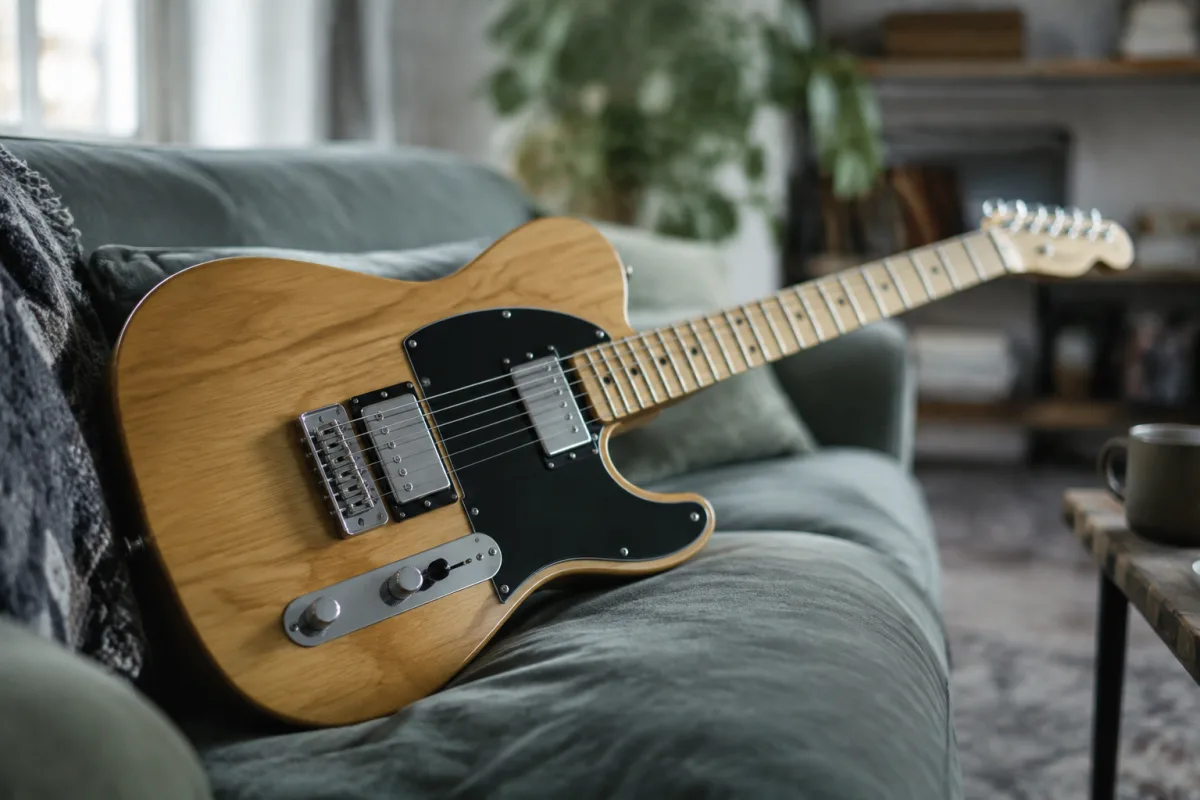
If you're just starting your guitar journey and someone mentions a Telecaster with humbuckers, you might feel like they're speaking a foreign language. What's a Telecaster? What are humbuckers? And more importantly, is this combination actually something a beginner should consider? The answer might surprise you: yes, absolutely. A Telecaster with humbuckers is actually a brilliant choice for many beginner guitarists, and understanding why takes away the mystery.
Understanding the Basics for Beginners
Let's start with the fundamentals. A Telecaster is an electric guitar body style originally designed by Fender in 1950. It's solid, reliable, and has a distinctive appearance. A humbucker is a type of guitar pickup—the magnetic device that converts string vibrations into electrical signals. Most classic Telecasters come with single-coil pickups, which produce a bright, twangy tone. A Telecaster with humbuckers is a modification or alternative model where humbuckers replace those single-coils.
For a beginner, a Telecaster with humbuckers offers several genuine advantages. The humbucker pickup produces a warmer, thicker tone than traditional Telecaster single-coils. Humbuckers are also more forgiving of beginner technique—sloppy playing sounds less sharp when you're using a Telecaster with humbuckers than it might on a single-coil Telecaster.
The Telecaster body itself is comfortable for standing and seated play. The neck is fast and easy to navigate, making it ideal for developing finger dexterity. Combine that comfortable platform with humbuckers that produce a rich tone, and you've got a guitar that encourages you to practise more frequently and sounds better while you're learning.
Why Beginners Gravitate Toward This Setup
Think about what a beginner needs: an instrument that responds well to learning, sounds professional quickly, and doesn't fight you as you develop technique. A Telecaster with humbuckers checks every box.
The Telecaster body is lightweight compared to some other electric options, making it comfortable to hold for hour-long practice sessions. The neck is typically narrower than acoustic guitars, making finger stretches easier. The action (string height) on a well-set-up Telecaster is usually lower than on a beginner acoustic, which means your fingers hurt less as you develop calluses.
The humbucker pickups mean your tone has warmth and presence. Even if your playing is technically imperfect, a Telecaster with humbuckers makes you sound more professional than you might expect at your stage of learning. That's genuinely motivating. It keeps you inspired to practise rather than discouraged by how harsh your playing might sound on a single-coil equipped guitar.
For genres like blues, rock, soul, and funk—styles that benefit enormously from thick, warm pickup tones—a Telecaster with humbuckers is practically ideal. You're not limited to twangy Americana sounds like traditional Telecasters. Your range is broader.
Common Beginner Misconceptions About This Setup
Let's address what confuses beginners about a Telecaster with humbuckers so you can make an informed decision.
Mistake #1: Thinking You Need to Understand Electronics to Play It
You don't. A Telecaster with humbuckers works the same as any electric guitar from the player's perspective. You plug it in, turn up the volume, and play. The humbucker technology is internal. As a beginner, you don't need to understand how humbuckers work—just that they sound great and respond well to your playing.
Mistake #2: Assuming a Modified Telecaster Is Less Reliable Than a Standard One
Not necessarily. A Telecaster with humbuckers from a reputable manufacturer (like Fender's humbucker-equipped models) is just as reliable as any other Telecaster. If you're buying a used guitar with aftermarket humbucker modifications, just inspect the work. Quality installations are solid. Shoddy modifications might cause issues, but that's a craftsmanship problem, not a concept problem.
Mistake #3: Thinking Thicker Tone Means Heavier Strings
The humbucker pickup creates a thick tone, but that's electronic character, not a function of string gauge. A Telecaster with humbuckers plays just as comfortably with standard beginner strings as any other guitar. You're not committing to heavy-gauge strings—that's an independent choice.
Mistake #4: Assuming All Telecasters with Humbuckers Sound Identical
They don't. Different humbucker manufacturers and models produce subtly different tones. Some are warmer, others brighter. As a beginner, this variation is minimal compared to the overall character you'll notice from playing a Telecaster with humbuckers versus single-coil pickups. But know that variation exists.
Mistake #5: Not Considering Your Playing Goals
A Telecaster with humbuckers excels in blues, rock, soul, and funk. If your dream is playing country music or surf rock, a traditional Telecaster with single-coil pickups might suit your goals better. Match your guitar choice to your musical aspirations.
Getting Started with Your Telecaster with Humbuckers
So you've decided a Telecaster with humbuckers is right for you. Here's what to do next.
Step 1: Find the right model. Fender makes excellent Telecasters with humbuckers. So do Squier (Fender's budget brand) and many other manufacturers. For a beginner budget, look at Squier models first. They're affordable, reliable, and sound genuinely good.
Step 2: Play before buying. Hold the Telecaster with humbuckers in your hands. Make sure the neck feels comfortable. Plug it in and listen to the tone. It should feel natural and exciting to you personally.
Step 3: Get it professionally set up. Even a good guitar might benefit from a professional setup. A luthier will adjust the action, intonation, and neck relief so your Telecaster with humbuckers plays at its absolute best.
Step 4: Get an amplifier. An electric guitar without an amp is just an expensive paperweight. You'll need at least a small practice amp (10-20 watts is plenty for bedroom learning). Budget for this when you're planning your Telecaster purchase.
Step 5: Invest in a cable and a tuner. These essentials let you actually use your Telecaster with humbuckers. A good instrument cable is £5-10. A clip-on tuner is similarly inexpensive and essential for keeping your guitar in tune.
What Amplifier Pairs Well with a Telecaster with Humbuckers
Your Telecaster with humbuckers sounds wonderful through many amps, but as a beginner, you're looking for something small and affordable. A solid-state practice amp (not tube) is perfect. Brands like Boss, Fender, and Marshall make excellent beginner amps. Look for one with adjustable volume and a headphone jack so you can practise quietly late at night.
First Month Expectations
When you first plug in your Telecaster with humbuckers and hear that warm, thick tone, you'll be amazed at how professional your playing sounds. That's the beauty of this setup—it makes you sound better than you technically are. Use that inspiration to practise diligently. After a month, your technique will catch up to your tone, and you'll be genuinely pleased with your progress.
The Telecaster body is comfortable. The neck feels fast. The humbuckers sound warm and forgiving. You'll reach for your Telecaster with humbuckers to practise without it feeling like a chore. That's the whole goal.
For more comprehensive technical information about Telecaster variations, humbucker specifications, and comparing different models, the complete guide to Telecasters with humbuckers covers everything in depth. But as a beginner, you've got everything you need to know: a Telecaster with humbuckers is an excellent choice that will serve you brilliantly as you learn.


Comments