


Telecaster Vintage Buying guide
Telecaster Vintage: A Complete Buyer's Guide
Purchasing a vintage Telecaster guitar is an exciting investment that demands knowledge and careful consideration. This buyer's guide focuses on the essential criteria, red flags, and price considerations that matter.
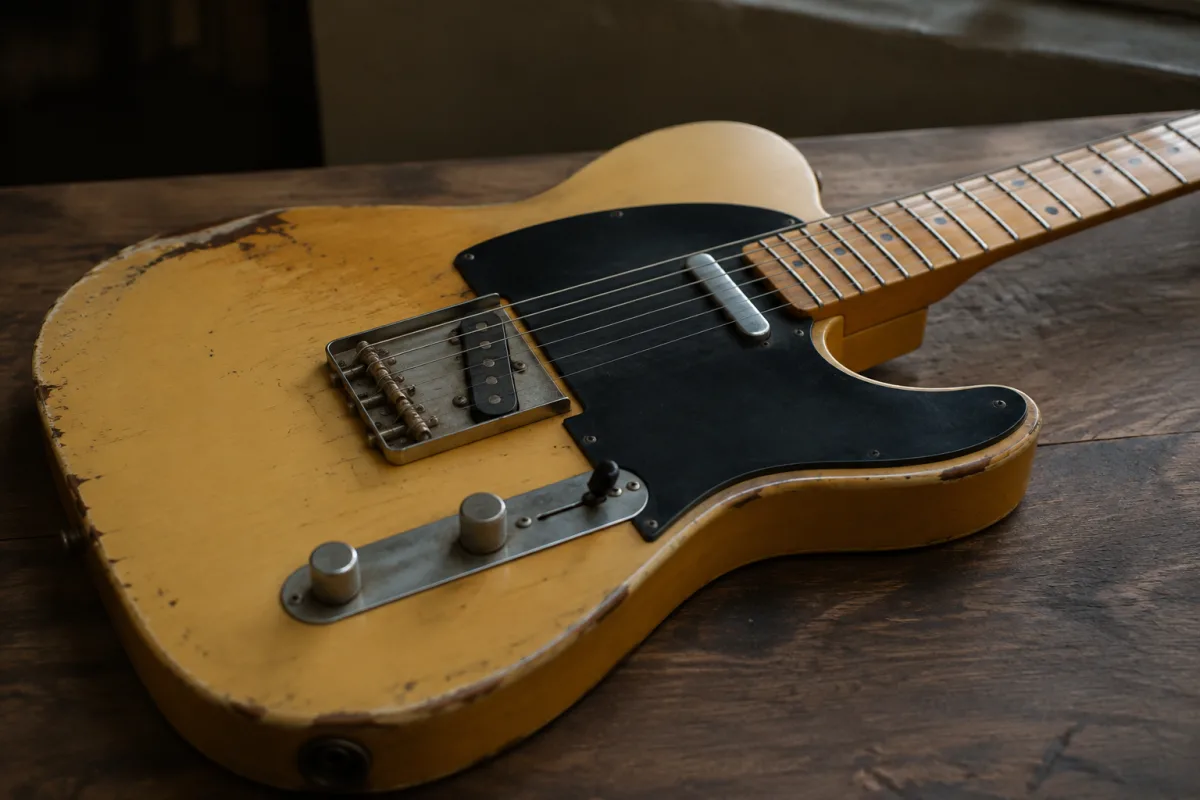
Purchasing a vintage Telecaster guitar is an exciting investment that demands knowledge and careful consideration. Whether you're seeking a bona fide 1950s classic or a quality instrument from the 1970s or 1980s, understanding what to look for will help you avoid costly mistakes and find the right vintage Telecaster for your budget and playing style. This buyer's guide focuses on the essential criteria, red flags, and price considerations that matter when acquiring a vintage Telecaster.
Understanding Vintage Telecaster Price Tiers
Vintage Telecaster prices vary dramatically depending on year, condition, and origin. The market generally divides into distinct tiers. Early 1950s Fender Telecasters—particularly those made in 1950–1953—command premium prices, often exceeding £15,000 for examples in good condition. Mid-to-late 1950s models, roughly 1954–1958, typically fetch £8,000–£15,000. Telecasters from the 1960s usually range from £4,000–£10,000, whilst 1970s and 1980s vintage examples can be found for £2,000–£6,000. Japanese-made Telecasters and reissues are generally more affordable, starting at £500–£2,000. Understanding these price bands will help you recognise whether a particular vintage Telecaster is fairly valued or overpriced.
Inspecting the Body and Finish
The body of a vintage Telecaster tells its history. Original finishes are highly prized and command significant premiums. Examine the finish carefully for inconsistencies, refinishes, and heavy wear. Authentic checking and crazing patterns on original lacquer are normal on older instruments, but extensive chips, repairs, or visible undercoats suggest refinishing. A refinished vintage Telecaster loses considerable value. Look closely at the dings, dents, and scratches on the body—these should match logically if they're genuine. Inspect the edges and control cavities with a torch to spot undercoat layers that betray refinishing. The wood itself should be solid; large cracks, repairs, or significant warping are warning signs that could affect playability and value.
Evaluating the Neck and Fretboard
The neck is critical to playability and worth. Check for straightness by sighting along the fretboard lengthwise, both up and down and side to side. Excessive bow or twist is problematic and costly to repair. Examine frets for wear patterns—some wear is natural on vintage instruments, but deep divots or frets worn flat in certain positions indicate heavy use and may require expensive refrets. Feel the fretboard wood itself; it should be clean and not overly dry or splintered. On a vintage Telecaster with a rosewood fretboard, check for fret sprout (frets protruding above the board surface), which suggests moisture damage. A maple fretboard should show minimal checking or crazing. Truss rod access and the condition of any vintage truss rod cover also matter—missing covers and stuck truss rods are warning signs.
Checking Electronics and Hardware
Original electronics on a vintage Telecaster dramatically affect value. Inspect the potentiometers, switches, and wiring. Original Fender electronics from the 1950s typically feature cloth-covered wiring and specific component values. Any soldering should look period-appropriate and clean; amateur re-soldering suggests prior repairs. Test that the pickup selector and volume controls work smoothly without crackling. Examine the pickups themselves for originality; original Fender pickups have specific bobbin styles and coil patterns that vary by era. Hardware should include the original bridge, tuning machines, and hardware plating. Replaced hardware lowers value. Check that tuning machines turn smoothly and hold tuning. The bridge should be solid and not rusted or damaged. Any missing hardware, such as the bridge saddle or pickguard hardware, detracts from value and functionality.
Identifying Authentic Vintage Telecaster Serial Numbers
Serial numbers are crucial for authentication. Early Fender Telecasters have specific serial number formats based on year. 1950–1951 models typically have no serial numbers or numbers on the headstock. 1952–1954 instruments usually feature serial numbers on the bridge plate or pickguard. 1955–1962 models have headstock serial numbers starting with a letter prefix. Cross-reference the serial number with published Fender dating guides and manufacturer databases. Inconsistencies—such as a headstock decal that doesn't match the serial era or obvious alterations to the number—are red flags. Be aware that some numbers have been re-stamped or decals replaced, which reduces authenticity. Genuine vintage Telecasters typically have consistent wear patterns and aging that align with their stated year.
Assessing Sound and Playability
A vintage Telecaster should play well and sound authentic. Plug it into an amplifier and listen for clarity, sustain, and the characteristic bright, twangy tone associated with the model. Test all positions of the pickup selector—both pickups should be responsive and hum-free (or hum appropriately if original single-coil pickups). Play chords and single notes to assess sustain and tonal character. The intonation should be reasonably close; vintage tuning systems aren't always perfectly accurate, but a completely unplayable vintage Telecaster may require costly repairs. Press down on frets to check for buzzing, fretting out, or deadness. If a vintage Telecaster plays well, is comfortable in hand, and produces the tone you're seeking, you've found a winner.
Common Pitfalls to Avoid
| Pitfall | What to Watch For |
|---|---|
| Refinished Bodies | Significant value loss; inspect edge detail and hardware cavities closely |
| Replaced Necks | Serial number mismatch or neck heel inconsistencies; devalues the instrument |
| Non-Original Pickups | Modern replacements sound different; check bobbin style and coil consistency |
| Truss Rod Issues | Stuck or stripped rods require expensive repairs; try gentle adjustment |
| Structural Damage | Cracks, water damage, or warping compromise playability and durability |
| Overstated Rarity | Verify year and specifications against authoritative guides before accepting claims |
Provenance and Documentation
A vintage Telecaster with documented history is worth more than an undocumented one. Ask the seller for receipts, previous owner information, or any documentation showing the instrument's journey. Photographs from decades past, repair receipts from vintage technicians, or letters from previous owners add value and confidence. Cross-reference any claims about the instrument's origin or previous ownership when possible. Be sceptical of unverifiable stories; a straightforward history is more believable than an implausibly famous one. Professional authentication services exist and can provide third-party verification for high-end vintage Telecasters, which may justify the cost if you're investing significantly.
Where to Buy and What to Negotiate
Vintage Telecasters appear at specialist guitar retailers, auction houses, and private sales. Established dealers often provide warranties or return periods, adding protection to your purchase. Online marketplaces require greater vigilance; ask detailed questions and request high-resolution photographs of all angles, the serial number, and fret wear. Never proceed without seeing full imagery. Attend guitar shows and vintage expos to handle instruments and negotiate directly with sellers. Many sellers are open to modest negotiation, particularly if you've identified cosmetic issues or performed a thorough inspection. Factor in the cost of any necessary repairs—new frets, setup adjustments, or electronics work—when determining your maximum offer.
Conclusion
Buying a vintage Telecaster requires patience, knowledge, and careful inspection. Start by understanding price tiers and recognising the key factors that affect value: originality, condition, authenticity, and playability. Examine the body finish, neck, fretboard, electronics, and hardware with a critical eye. Verify serial numbers against authoritative sources, and listen carefully to the tone and responsiveness of the instrument. Avoid common pitfalls like refinished bodies, replaced components, and structural damage. Seek documented provenance when available, and purchase from reputable dealers who stand behind their instruments. For further context on what makes these instruments special, explore the complete guide to telecaster vintage to understand the history and characteristics that define this iconic instrument. With diligence and informed decision-making, you'll find a vintage Telecaster that brings years of enjoyment and holds its value well.


Comments