
Squier Guitar Telecaster article
The Complete Guide to Squier Guitar Telecaster
The Squier guitar Telecaster brings the iconic Telecaster design within reach of every budget. Discover what you get, how it sounds, and whether it suits your needs.
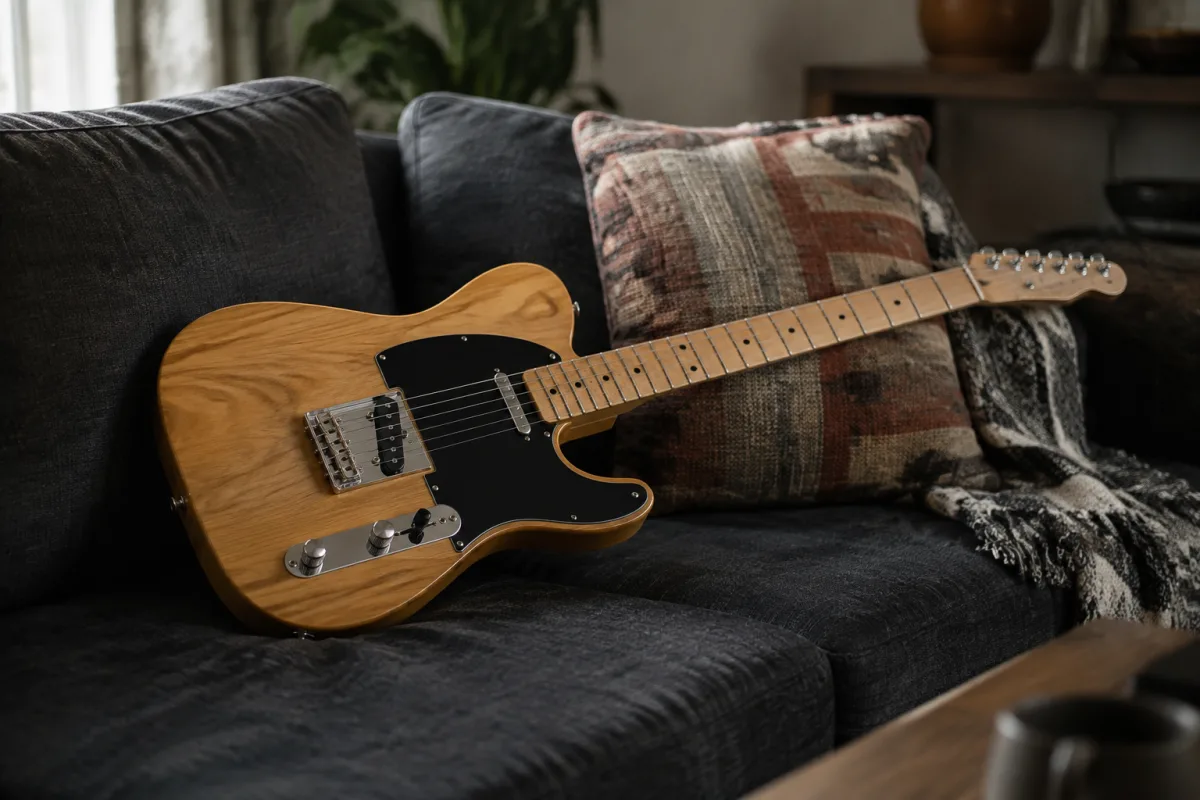
The Squier guitar Telecaster is one of the great bargains in electric guitar history. The Fender Telecaster itself—arguably the most distinctive electric guitar shape ever created—defines country, rock, and blues. A genuine Fender Telecaster costs £800–1,500 new. A Squier guitar Telecaster delivers the same unmistakable silhouette, two-pickup configuration, and tonal character for £150–300. Whether that represents value or compromise depends on what you actually need from a Squier guitar Telecaster.
Understanding Squier: Budget Without Sacrifice
Squier is Fender's official budget brand. A Squier guitar Telecaster isn't a knockoff—it's a legitimately authorised, officially endorsed cheaper version made under Fender supervision. The Squier guitar Telecaster uses the same design principles as the American original but with different materials and manufacturing processes to achieve the lower price point. That distinction matters enormously. A Squier guitar Telecaster is a real Fender Telecaster at a fraction of the cost.
Fender established the Squier brand to capture price-sensitive markets whilst protecting the premium Fender brand position. It's a strategy that's worked for decades. Millions of players have learned on a Squier guitar Telecaster. Many semi-professional and professional musicians perform with Squier instruments regularly. The Squier guitar Telecaster track record speaks for itself.
What Makes the Squier Guitar Telecaster Special
The Squier guitar Telecaster has the iconic single-cutaway slab body shape that defines the Telecaster. Two single-coil pickups deliver the bright, cutting tone that made Telecasters legendary in country and rock. The simple three-way pickup selector gives you bridge only, both pickles, or neck only. A traditional hardtail bridge—no tremolo—keeps things mechanically simple and tonally focused. The Squier guitar Telecaster construction is straightforward: solid body, single-ply pickguard, simple controls. That simplicity is a feature, not a limitation.
The Squier guitar Telecaster's tonal character is brighter and twangier than a Stratocaster. The bridge pickup of a Squier guitar Telecaster cuts through a mix with remarkable presence. The neck pickup offers surprising warmth for lead work. Many players prefer a Squier guitar Telecaster's tone to Stratocasters—it's less versatile but more characterful.
Squier Telecaster Model Variations
The Squier Classic Vibe Telecaster emulates Telecasters from the 1950s—single-ply pickguard, vintage colour options, and refined pickups. A Classic Vibe Squier guitar Telecaster costs £300–400 and offers better wood selection and more authentic vintage character than budget models. Most players find a Classic Vibe Squier guitar Telecaster worth the premium over entry-level alternatives.
The Squier Contemporary Telecaster targets modern players with contemporary aesthetics and ergonomics. Slightly rounded body edges, flatter neck profiles, and updated electronics differentiate the Contemporary Squier guitar Telecaster. If you want a modern-feeling Squier guitar Telecaster rather than a retro-focused instrument, the Contemporary appeals more.
Budget Squier guitar Telecasters like the Affinity series start under £120. These aren't toy guitars—they're legitimate instruments with solid construction—but cheaper woods and simpler pickups become noticeable compared to higher-tier models. Perfect for absolute beginners; players who've used nicer instruments will notice the compromises.
The Squier Guitar Telecaster Sound
A Squier guitar Telecaster sounds unmistakably like a Telecaster—bright, twangy, and present. The two single-coil pickups deliver clarity and cut. Bridge pickup selection is where a Squier guitar Telecaster shines—that aggressive, cutting tone that cuts through a rock or country mix. The neck pickup selection is warmer and fatter than many expect from a Squier guitar Telecaster, suiting lead playing and clean tones.
The Squier guitar Telecaster's tone benefits from amp pairing. Through a cranked vintage valve amp, a Squier guitar Telecaster sounds genuinely inspiring. Through a clean jazz or blues amp, the Squier guitar Telecaster's clarity shines. A Squier guitar Telecaster won't sound as refined as a £1,500 American model, but it sounds recognisably like what it is: an affordable Telecaster. The tone is genuinely good.
Playability and Setup
A Squier guitar Telecaster requires proper setup to play its best. Out of the box, many Squier models arrive with action slightly higher than optimal. Take it to a luthier for professional setup—usually £50–80—and a Squier guitar Telecaster becomes genuinely playable. After setup, the neck straightness and fret quality are adequate for comfortable playing and fast technique.
The Squier guitar Telecaster's thin, flat neck (compared to Stratocasters) suits players with smaller hands or those who prefer faster fretting-hand movement. Bend strength is excellent for a guitar at this price point. The overall feel of a well-set-up Squier guitar Telecaster rivals guitars costing three times the price.
Gigging Reliability
You can absolutely gig with a Squier guitar Telecaster. Countless semi-professional and professional musicians perform with Squier instruments live. Proper maintenance and occasional professional setup keep a Squier guitar Telecaster reliable for regular gigging. The hardtail bridge is inherently stable—no tremolo means fewer things to go wrong. A Squier guitar Telecaster, treated well, is as dependable as guitars costing much more.
Comparing Squier Telecaster to Alternatives
Ibanez offers the RG series as a modern alternative with different ergonomics and a narrower body. Epiphone makes budget single-cut guitars resembling Gibson patterns. Yamaha offers the Pacifica as a versatile budget option. But if you specifically want a Telecaster design at a budget price, the Squier guitar Telecaster is the obvious choice. It's the affordable Telecaster, made by the company that invented the Telecaster.
Should You Buy a Squier Guitar Telecaster?
If you want to explore country, rock, or blues guitar without spending serious money, a Squier guitar Telecaster is an excellent choice. If you're upgrading from acoustic and want an electric instrument with character, a Squier guitar Telecaster delivers personality. If you're a professional seeking a backup guitar or a road-tested workhorse, a Squier guitar Telecaster offers reliability and tone. If you're a casual player content with weekend sessions, a Squier guitar Telecaster is perfectly adequate.
The Squier guitar Telecaster remains one of the best value propositions in electric guitar. It delivers genuine Telecaster character at a price that makes the dream accessible. Learn on a Squier guitar Telecaster, develop your skills, and decide later whether you need to upgrade. Many players discover they never do—the Squier guitar Telecaster does the job so well.


Comments