


Schecter Telecaster Buying guide
Schecter Telecaster: A Complete Buyer's Guide
Learn how to buy a Schecter Telecaster with confidence. This guide covers construction features, pricing comparisons, and what to check before purchasing this alternative to Fender.
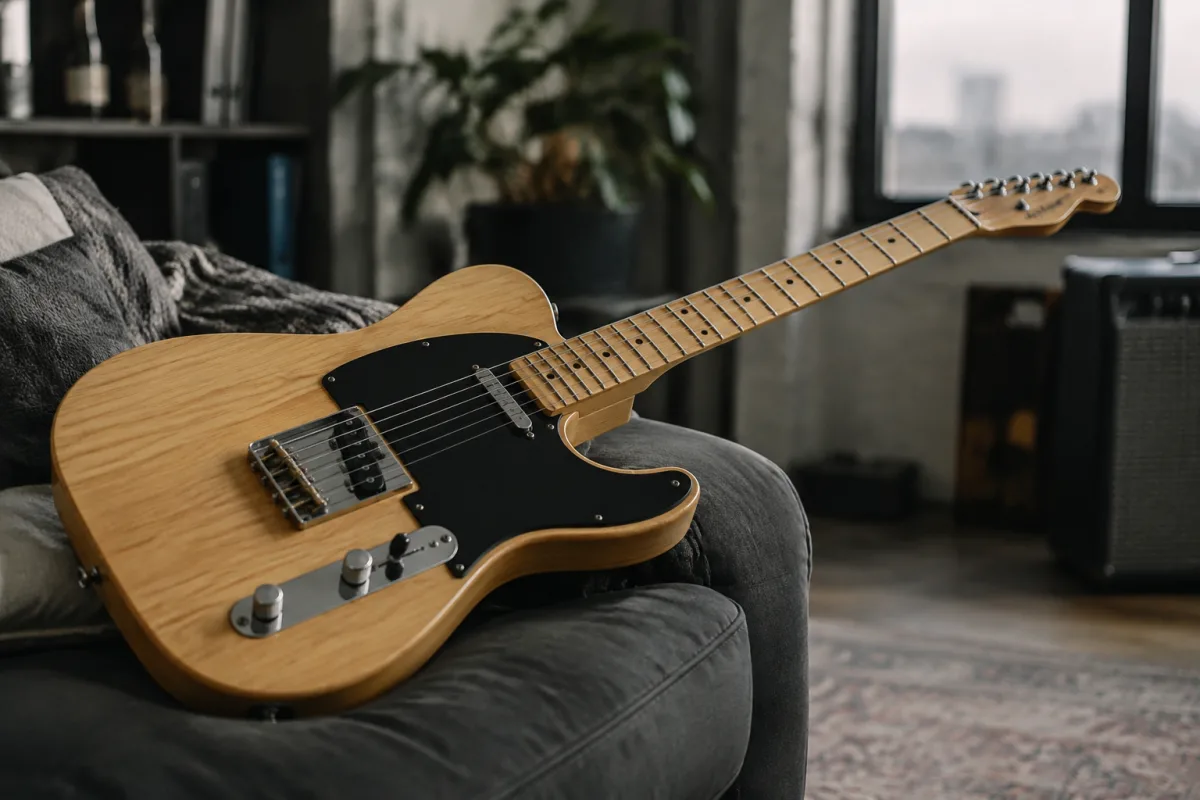
The Schecter Telecaster represents a compelling alternative to Fender's iconic original: a guitar that adopts the fundamental single-cutaway slab body design whilst introducing distinct hardware, pickup, and construction choices that differentiate it from the American classic. If you're considering purchasing a Schecter Telecaster—whether you're comparing it directly to Fender models, seeking value-oriented construction, or simply exploring Schecter's interpretation of this legendary design—this buying guide covers the essential specifications, construction differences that matter for playability, pricing across Schecter's Telecaster range, and common pitfalls specific to this brand.
Understanding Schecter's Telecaster Philosophy Before Purchase
Schecter approaches the Telecaster differently than Fender. Rather than faithfully recreating the original 1950s design, Schecter incorporates modern construction techniques, contemporary pickup designs, and hardware refinements that address practical playing demands. This philosophy appeals to players seeking Telecaster character without the vintage-specific compromises (vintage-accurate tuning machines, less sophisticated electronics) that define authentic Fender recreations.
Schecter's manufacturing partnerships result in instruments built in Indonesia or South Korea for most models, with some American-made options at higher price points. This geographical distinction affects both cost and construction quality; Schecter's overseas manufacturing delivers consistent quality at competitive pricing, whilst American-made models command premium rates for enhanced wood selection and labour intensity.
Body construction often features different wood selections than Fender. Schecter frequently uses alder (similar to Fender) but occasionally incorporates mahogany or other alternatives that subtly alter resonance and sustain characteristics. Hardware tends toward modern specifications rather than vintage recreation—robust tuning machines, contemporary bridge designs, and reliable electronics that prioritise function over historical accuracy.
Key Specifications to Check When Buying Schecter Telecaster
Pickup configuration varies significantly across the Schecter Telecaster range. Traditional single-coil designs approximate classic Fender tone; some models feature Schecter's own branded pickups engineered for modern applications; premium models sometimes include appointments from respected third-party pickup makers. Evaluate pickup specifications based on your tonal preference: warm and traditional versus modern and articulate.
Neck profile demands hands-on evaluation. Schecter's Telecaster necks tend toward comfortable mid-ranges between chunky vintage profiles and ultra-thin shreds-oriented designs. If you've played Fender Telecasters, expect subtle differences in feel; the neck shape is comparable but refinements in finish smoothness and hardware mounting sometimes differ. Test for comfort before committing to purchase.
Hardware quality surpasses budget alternatives but typically trails premium offerings. Schecter Telecasters feature respectable tuning machines, functional bridges with adjustable saddles, and straightforward electronics. This hardware level delivers reliable operation and good re-sale stability without venturing into boutique-grade appointments.
Fretwork quality varies by price tier. Mid-range and higher Schecter Telecasters typically demonstrate excellent fret levelling and crown work. Budget models occasionally show minor unevenness. Inspect close-up photographs or play the instrument before purchasing; fret quality profoundly affects playability and long-term satisfaction.
Common Pitfalls to Avoid When Buying
Mistake one: assuming a Schecter Telecaster is an inferior Fender alternative rather than a distinct design choice. Schecter isn't chasing Fender's legacy; it's offering alternative construction philosophy. Evaluate based on Schecter's merits rather than constant comparison to Fender standards.
Mistake two: overlooking the price-to-quality relationship. Schecter Telecasters deliver superior construction quality compared to direct price-point competitors from other manufacturers. A £400–600 Schecter model often outperforms similarly-priced Fenders or imports because Schecter prioritises manufacturing investment.
Mistake three: purchasing purely online without physical inspection. Schecter's consistent quality control makes blind online purchases less risky than with some brands, but individual instrument variation exists. Request detailed photographs, test videos, or request the option to return if the instrument arrives in suboptimal condition.
Mistake four: ignoring electronics condition on used models. Schecter uses straightforward electronics that are relatively inexpensive to repair, but worn potentiometers or failing switches require attention. Test all controls before purchasing; crackling sounds or cutting in/out indicate component failure that ranges £30–80 to service.
Mistake five: assuming all Schecter Telecaster models are identical. The brand manufactures several distinct versions at different price points with varying construction quality and specifications. Understand which model you're evaluating and match pricing expectations to that specific variant.
Price Tiers and What You're Paying For
Entry-level Schecter Telecasters (typically far-east manufactured, budget specifications) range from £250–400 new. Construction is legitimate, and playability is adequate for learning or casual playing. Used models cost £100–250 depending on condition. These serve budget-conscious buyers exploring whether Telecaster-style instruments suit their playing.
Mid-range Schecter Telecasters (sophisticated hardware, refined electronics, better wood selection) cost £400–700 new. This tier represents the series' best value, offering noticeably superior construction compared to budget alternatives without premium pricing. Used mid-range models typically fetch £250–500, making them excellent value for experienced players.
Premium Schecter Telecasters (custom finishes, boutique appointments, refined details) command £700–1,000+ new. These approach price-competitive positioning with Fender's standard American-made models whilst maintaining Schecter's construction philosophy. Used premium models cost £450–750 depending on age and condition.
Limited and special edition models occasionally command higher prices; evaluate these based on their specific features rather than rarity alone.
Schecter Telecaster vs. Fender Comparison
Schecter Telecasters cost modestly less than equivalent Fender alternatives whilst offering comparable construction quality. A mid-range Schecter (~£500) typically competes directly with Fender's Squier brand, delivering superior value. Direct Fender American-made comparison requires stepping up to premium Schecter pricing (~£800–900), at which point the choice hinges on tone preference and aesthetics rather than quality differentiation.
Schecter models often include hardware and electronics that Fender reserves for premium offerings. This higher specification-per-dollar represents genuine value for budget-conscious buyers; you're getting more refined components without premium pricing.
Making Your Purchase Decision
Play the instrument for extended duration. Test rapid position changes. Assess fret quality across the entire fingerboard. Confirm all electronics function cleanly without crackling or cutting in/out. Evaluate neck comfort relative to your hand geometry and playing style. Check tuning stability through aggressive bending and returning to pitch.
For deeper technical understanding of Schecter Telecaster construction, specifications, and tonal characteristics, read our complete guide to Schecter Telecaster guitars before finalising your purchase.
Schecter Telecasters deliver legitimate value and construction quality in a familiar design format. Purchase confidently from any price tier that matches your budget and intended use; Schecter's quality control ensures consistency across its range.


Comments